
 •
Rating:
•
Rating:
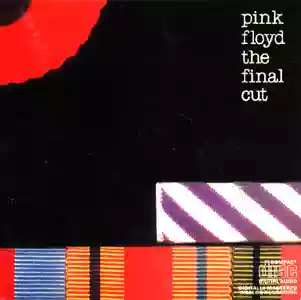
THE REVIEW
1985, first listen to this album:
<<Oh my God, what a depression, but damn what a sound!>>
Second listen:
<<They sound like outtakes from "The Wall", mhhh.>>
Third listen:
<<It sounds good but Gilmour isn't doing a damn thing!>>
Fourth listen:
<<Oh, it doesn't stick in my head, I have to accept that my favorite band has produced a dud, but it sounds amazing, what a shame.>>
Fifth listen:
<<This piece isn't bad though, if only it weren't all so slow and paranoid.>>
Sixth listen:
<<No come on, in the end, it's listenable altogether.>>
Seventh listen, the first chills come associated with memorizing the pieces:
<<In the end, it's a beautiful album, it's not The Dark Side Of The Moon, it's not The Wall, but it's a good album.>>
Eighth listen, I remember almost all of it by heart:
<<Damn, good thing I kept listening to it, it's amazing.>>
I don't listen to the album for several months. I pick it up on a distracted afternoon. Headphones, armchair, darkness:
<<This is the best album of all time. How could I not notice it immediately? With how many other albums have I made the same mistake?>>
Certain fact: this is the Pink Floyd album universally considered by critics to be their worst work.
Question: but they, do they know it as well as I made an effort to know it?
Conclusion: This is the album that deserves more attention in the history of rock, because the name and brand it bears do not allow it to be underestimated.
Listen until fully assimilated and then, judge.
Loading comments slowly
Summary by Bot
Initially dismissed as depressive and underwhelming, Pink Floyd's The Final Cut demands multiple listens to appreciate fully. Despite being labeled their worst album, it slowly reveals its emotional depth and sonic quality. The review encourages patience and revisiting the album for a rewarding experience. Ultimately, it's recognized as a significant but overlooked piece in Pink Floyd's discography deserving more respect.Tracklist Lyrics Videos
Pink Floyd
Pink Floyd formed in London in 1965 and became a defining force in psychedelic and progressive rock. The classic lineage spans Syd Barrett’s founding vision, Roger Waters’ conceptual leadership, Richard Wright’s harmonic textures, Nick Mason’s pulse, and David Gilmour’s arrival in 1968, shaping their signature sound.237 Reviews
Other reviews
By eclipse
Perhaps in the end it’s a demonstration that music can overcome all the barriers set by humans!!!
Waters creates the most 'his' album under the name Pink Floyd alongside 'The Wall,' with which there are many references in this album.
By Em
"To this day, I consider it Pink Floyd’s best album."
"Despite everything, he continues to dream."
By floyd92
The album can easily be considered a sort of Roger Waters’ first solo product, especially in style, even less Floydian than that used in The Wall.
The Final Cut becomes an album that uses the sadness of the bassist’s father’s death as the first argument to construct a critique that is not only political but also emotional.
By claudio carpentieri
"Recording The Final Cut was a real challenge because there was no collaboration, no understanding among us; at least on the name, we all agreed" (Roger Waters).
"It was supposed to be ... a follow-up to the previous The Wall ... and in the end, it turned out to be something quite different from our original intentions..." (Nick Mason).
By paolofreddie
The Final Cut is an album in which you can feel the passion of the bassist tormented by the ghosts of his past.
The song that gives the album its title... reveals a great unease, a great fear of being left alone, of being abandoned.
