
 •
Rating:
•
Rating:
THE REVIEW
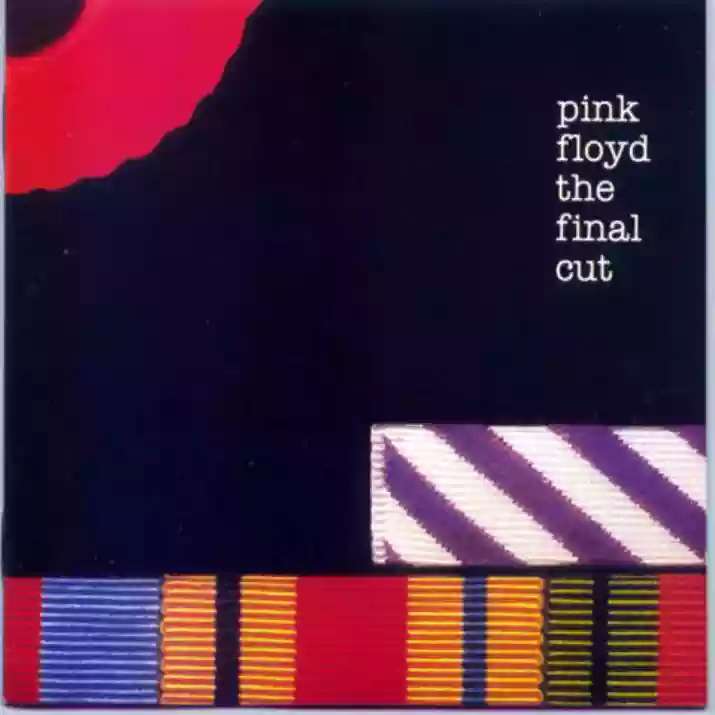
"Recording The Final Cut was a real challenge because there was no collaboration, no understanding among us; at least on the name, we all agreed" (Roger Waters).
"I got to the point where I told Roger: I'm leaving, if you need a guitarist, call me" (David Gilmour).
"It was supposed to be (referring to The Final Cut) a follow-up to the previous The Wall, because it had to include the material that had been excluded....We added other newly written tracks and in the end, it turned out to be something quite different from our original intentions..." (Nick Mason).
This album manages to be the true essence of many of Waters' facets, finding a way to express in music that multiplicity of concepts already outlined by him in the past, developing them properly. As happened with "The Wall," a work that aims to reflect the alienation of everyone through the surprising choral nature, in "The Final Cut," the internalized absorption of anguish finds its expression, the result of a true resignation. The concept of this album moves within the monstrous vision of torment here embodied by the war conflict, well represented through that catastrophism that wants to highlight the unfortunate fate of humanity. The musicality of these conscientious themes finds linear and accessible melodies for any ear, always tracing a very tight connection between words, sounds, and sound effects never excessive.
The intro of "The Post War Dream", among the noises of cars and radios searching to be tuned, leads through Waters' spoken singing to the intimate portrayal of the disorientation in "Your Possible Pasts" and the painful yet spontaneous honesty that finds the right expressive strength in that swing of atmospheres that "The Hero's Return" represents, also due to the hazy vocal overdubs. It is with "The Gunner's Dream" that one enters the full extent of the painful hope, leaving it to the wonderful sax of Raphael Ravenscroft to underscore its most heartbreaking moments, as well as to the incisive lyrics that are an integral part of it (Night after night - Going round and round my brain - His dream is driving me insane - In the corner of some foreign field - The Gunner sleeps tonight - What's done is done - We cannot just write off his final scene - Take heed of
Loading comments slowly
Summary by Bot
The Final Cut by Pink Floyd is marked by internal band conflict but delivers a powerful, resigned meditation on war and human anguish. Roger Waters’ vision shapes the album’s themes of torment and resignation, presented through accessible yet poignant melodies. The review highlights the album's conceptual depth, sonic atmosphere, and notable tracks like 'The Gunner's Dream'. Despite its challenges, the album remains a significant artistic statement.Tracklist Lyrics Videos
Pink Floyd
Pink Floyd formed in London in 1965 and became a defining force in psychedelic and progressive rock. The classic lineage spans Syd Barrett’s founding vision, Roger Waters’ conceptual leadership, Richard Wright’s harmonic textures, Nick Mason’s pulse, and David Gilmour’s arrival in 1968, shaping their signature sound.237 Reviews
Other reviews
By eclipse
Perhaps in the end it’s a demonstration that music can overcome all the barriers set by humans!!!
Waters creates the most 'his' album under the name Pink Floyd alongside 'The Wall,' with which there are many references in this album.
By Em
"To this day, I consider it Pink Floyd’s best album."
"Despite everything, he continues to dream."
By floyd92
The album can easily be considered a sort of Roger Waters’ first solo product, especially in style, even less Floydian than that used in The Wall.
The Final Cut becomes an album that uses the sadness of the bassist’s father’s death as the first argument to construct a critique that is not only political but also emotional.
By PAZZO AL SACCO
"Oh my God, what a depression, but damn what a sound!"
"This is the album that deserves more attention in the history of rock... Listen until fully assimilated and then, judge."
By paolofreddie
The Final Cut is an album in which you can feel the passion of the bassist tormented by the ghosts of his past.
The song that gives the album its title... reveals a great unease, a great fear of being left alone, of being abandoned.
