
 •
Rating:
•
Rating:
THE REVIEW
We are in the second half of the 1970s, during the so-called "lead years," in an Italy in turmoil due to student protests and the movement of '77, particularly because of the events of March that year in Bologna, where a young student was tragically killed by a bullet during some clashes between students. Free radios were spreading, and there was growing curiosity towards cultures that were gaining popularity in English-speaking countries: the magical psychedelia of the 1969 Woodstock concert and the destructive and anarchic fury of Punk.
In this environment, even more so in that densely tumultuous Emilia-Romagna, young Vasco Rossi emerged. In 1975, he founded "Punta Radio," one of the many free radios spreading across the region. The 23-year-old Vasco plays the guitar and strums the songs of the Italian melodic tradition and great singer-songwriters, especially De Gregori and Battisti, and also De Andrè and Paolo Conte, but he is drawn to the music of rock groups like the Rolling Stones, Who, and Pink Floyd.
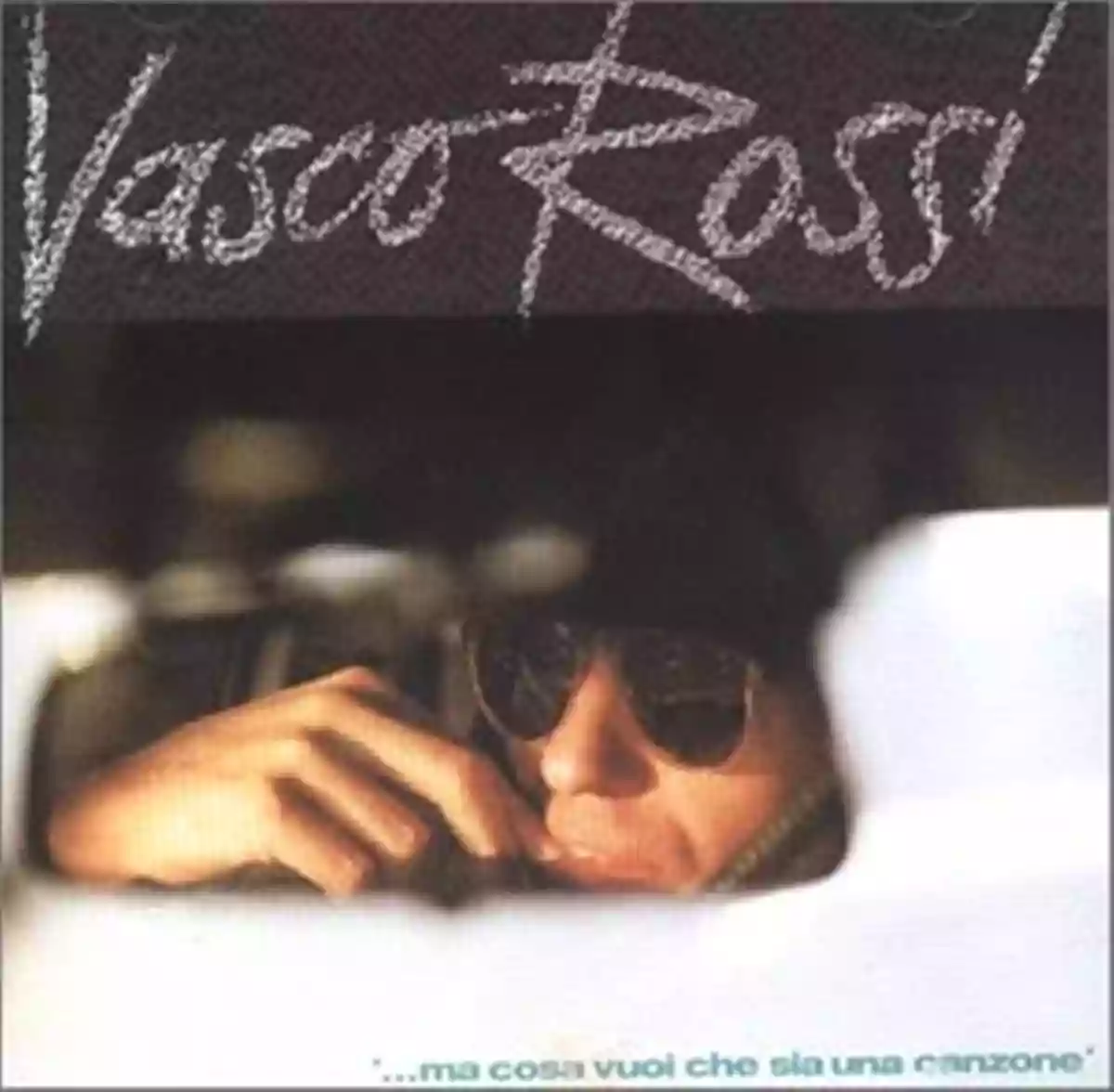
His musical debut dates back to 1978: "...Ma cosa vuoi che sia una canzone..." ("...But What Do You Think a Song Is...?"), the name of Vasco's first LP, entirely arranged by his friend Gaetano Curreri, leader of Stadio, who also plays the keyboards.
Musically speaking, the album owes much to the Italian singer-songwriter tradition and showcases the typical spirit of '70s rock made in Italy, notably the Progressive Rock of Le Orme, Area, Banco del Mutuo Soccorso, and so on. As for the lyrics, Vasco addresses the female universe, love, and social issues in a naïve and carefree manner. After all, but really, what do you think a song is?
This is precisely the point: musicians seek a musical maturity that often, but not always, results in overturning the initial premises—the very ones that motivated an artist's career; the genuineness of early songs, the desire to communicate an emotion, the anger and vigor of someone who wants to live in a different world and who wishes to be a bearer of an ideal. When you then find yourself managing a significant audience, the problem becomes very complex, and choosing the easiest solutions is understandable but, in my opinion, unjustifiable.
Returning to the album, it opens with "La nostra relazione", a song about a story very close to its end, where the singer decides to put an end to it (let's leave it alone, come on, let's not make a bed already undone), halfway between a melancholic Battisti and the Pfm. "...e poi mi parli di una vita insieme", the second track, opens with an obsessive bass line that leads into Vasco's singing, which in this song seems to wink at Rino Gaetano (you tell me your father wants to know what I mean to do, but what does he know about doing, if all his life he has done nothing but watch?), encouraging a woman to react because there is a world, Vasco's world, that is different from that of "routine", family, work; however, the song ends with the resignation of the Zocca rocker (it’s not your fault, the truth is the world needs you like this).
"Silvia" and "Tu che dormivi piano" are melancholic ballads revealing the young man's more romantic soul, while "Jenny è pazza" is the punch to the gut of the LP, melancholic and sad, addressing the theme of diversity that is often accentuated by the exorcism of those who believe themselves to be "normal" (Jenny is fine, she is far away, they treat her... ...Jenny is crazy, some even say this). Then comes the masterpiece of this "...Ma cosa vuoi che sia una canzone...", the ironic "Ambarabaccicciccoccò" in which Vasco makes fun of himself (today’s youth [...] sing God save the fascist and bourgeois queen - with an evident reference to the English punk of the Sex Pistols) with the aim, however, of criticizing the immovable beliefs of the period (because the party can help you [...], because the party is an institution). The last song on the album, "Ed il tempo crea eroi", a Guccini-style country song, revisits the themes of "...e poi mi parli di una vita insieme", trying to give a shake to the indifferent people (but you all remain calm, there, seated at the bar, with your god and your little troubles).
Once the songs are over, the Modenese singer-songwriter/rocker bids us farewell with an instrumental track entitled "Ciao". And with that, I bid you farewell as well.
Loading comments slowly
Summary by Bot
This review delves into Vasco Rossi's first album, released in 1978 amid Italy's turbulent 70s. It highlights the fusion of Italian melodic tradition with rock and punk influences. The lyrics explore love, social realities, and youthful rebellion in a sincere and often melancholic style. The album exemplifies Rossi's raw authenticity and his early artistic vision. It remains a significant cultural artifact capturing the spirit of its time.Tracklist Lyrics Videos
Vasco Rossi
Vasco Rossi is an Italian rock singer‑songwriter from Zocca (Modena), active since the late 1970s. Known as “Blasco,” he’s a central figure of Italian rock with enduring anthems and massive live shows.91 Reviews
Other reviews
By macciocapatonda
The boredom and the outcry, the fear of a normal life and daily routine are immense and explode in the desire for a "reckless life."
A small gem, "Ciao," a piece without singing, just piano, a melancholic farewell on seventh atmospheres, a lump in the throat and a nostalgic flutter of the heart.
By cacchione
The best track on the album is without a doubt 'jenny è pazza,' addressing the marginalization of the different.
This work is in my view a little gem, the rock turning point is just around the corner.
By DDQ
Vasco eliminates the overabundance of material and goes straight to the essence, freeing himself from pleonastic circumlocution.
This '...ma cosa vuoi che sia una canzone...' might seem like a raw work, at times perhaps a bit rhetorical and disillusioned, but at the same time wrapped in a genuineness, in a fascinating naivety.
