
 •
Versione 1
Rating:
•
Versione 1
Rating:
THE REVIEW
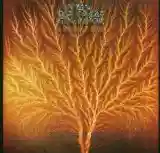
1976 is a difficult year for progressive rock, as the punk movement is indeed challenging what, until a few years earlier, had been the music par excellence: it is in this context that the reformed Van Der Graaf Generator of Peter Hammill find themselves acting. After a rough gem like "Godbluff," they record "Still Life," an album generally considered by fans as the best of their second phase. The change in the group's "sound" is immediately noticeable, as it has become more direct and immediate, almost aiming to show the "live" side of their music. One no longer hears "sonic cathedrals" in the form of long suites (often filled with overdubs like "A Plague of Lighthouse..."), but instead, a more compact and minimal "sound" is favored, even though their original "feeling" in the prog domain remains always recognizable.
The critics and the early fans were divided; for many, the magic of the early records had vanished. In reality, the band was courageously following their own artistic path without making easy concessions to pop, but instead, immersing themselves in a dimension more suited to the times. The VDGG were thus adapting better than other groups to the changing musical trends, demonstrating their essentially artistic nature.
The album opens with the memorable melody of "Pilgrims": Hammill begins to recite softly, supported by Banton's essential organ and Jackson's sax. Then, the organ takes on dark tones before the dazzling explosion of the sax and Hammill's voice, which is in stellar form. Certainly one of the best pieces in their repertoire. The title track "Still Life" is one of their most dramatic songs ever; the ecclesiastical and gothic organ supports Hammill's lyrics, and it doesn't take long for him to vent his anger with his usual vocal timbre.
"La Rossa" is another "standard" of the group, a classic that boasts a compelling and engaging force, it's impossible to remain impassive in the face of the impact force of this piece. "My Room" instead starts calmly and serenely, with an excellent melody supported by the sax and piano and a measured Hammill in the vocals, and Jackson's sax decorations then ennoble the final part. The album closes with the long "Childlike Faith in Childhood's End": the text is a long and bitter philosophical reflection that explores the theme of death. This piece is also among the fans' favorites and was recently performed live at the Italian date of the tour presenting pieces from the new album "Trisector."
The critics have always underestimated the second phase of the Generator, but re-listening to albums like "Godbluff" and this "Still Life," one cannot help but appreciate the quality of the music, which perhaps does not reach the peaks of "Pawn Hearts," but reveals itself to be surprisingly lively and fresh even after 30 years. It is therefore necessary to reassess this second incarnation of the VDGG, a band that has never really ceased to exist, as demonstrated by the recent reunion that led to the release of "Present" (2005) and "Trisector" (2008).
Loading comments slowly
Summary by Bot
Still Life (1976) finds Van der Graaf Generator navigating the rise of punk with a more direct, live-sounding prog style. The album showcases stellar performances, notably in tracks like "Pilgrims" and "Still Life," blending intensity with artistic integrity. Though initially divisive, this phase deserves reassessment for its quality and vitality decades later.Tracklist Lyrics Videos
Van der Graaf Generator
Van der Graaf Generator are an English progressive rock group led by Peter Hammill, noted for a dark, dramatic, organ-and-sax-driven sound and intense theatrical vocals. Formed in the late 1960s, they were influential in early 1970s prog, split in the late 1970s and reunited in 2005.35 Reviews
Other reviews
By Old King Cole
The Van Der Graaf Generator are certainly one of the most original bands in the history of rock.
If you know this band but do not own this record, get it. If you already have it, reevaluate it.
