
 •
Rating:
•
Rating:
THE REVIEW
The Van Der Graaf Generator are certainly one of the most original bands in the history of rock.
Although their albums, alas, are not that many, I can assure you that the music contained in them is worth much more than that found in the entire and endless discographies of various clowns and groups of clowns that are so popular today.
The fact is that VDGG's music is difficult to digest: everyone agrees that "Pawn Hearts" (1971) is a milestone of progressive rock (and not only), but few are those who manage to grasp the true essence of this great masterpiece, of the albums that preceded it, and above all, of those that followed it. Among the latter, "Still Life" (1976) stands out, which perhaps, between "Godbluff" (1975) and "World Record" (1977), is the least underrated. After all, it takes a lot of imagination to say that a work like this is of low quality, but there are still some ignorant people who have the courage to claim it (and at the same time self-define as music critics).
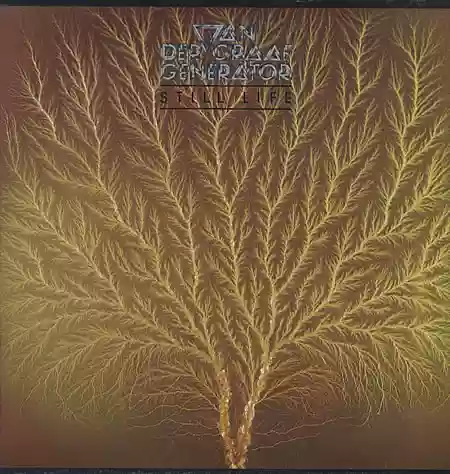
The sixth effort of the English band, "Still Life" is characterized by a great presence of vocal parts despite the instrumental ones. In other words, Banton's organ and Jackson's sax (or flute) primarily assume an accompanying role, while Hammill's voice becomes the true hallmark of the 5 songs. The first of these is "Pilgrims", a rather melodic and catchy track, characterized above all by the intensity shifts of the singing: the lyrics somewhat recall those of the old "Refugees".
The title track boasts a superb, psychodramatic voice and organ introduction, which leads to a more lively section, guided by the sax. Then the melody of the intro is resumed, first by all the instruments, then only by Hammill, who, accompanying himself on the piano, intimately closes the piece. It continues with "La Rossa", the most captivating song of the album. Hammill picks up the electric guitar and leads the band through numerous and continuous tempo changes that literally keep us "glued to the headphones" for these over 10 minutes. It talks about sex, and Peter does it through the clever use of ironic allegories (organ-monkeys, organ-grinders, pipes starting to spit). However, do not think that the themes of the song are superficial: beyond the ironic layer, deep, dangerous subjects are tackled, left in a dark corner by all the other prog bands of the era.
The next track, "My Room", is a true gem. Piano, bass, sax, and light drums create a delicate and essential atmosphere on which Hammill takes center stage, first low, then high, with his voice, performing the piece as only he could. The change from major to minor key provokes a strange sensation, it's one of those few moments that truly gives you goosebumps.
"Still Life" concludes with a new musical colossus, "Childlike Faith In Childhood's End", a beautiful song that, however, musically adds little to what has already been said during the album. The lyrics are interesting instead, a sort of complex philosophical inquiry regarding death and what comes after it. In conclusion, "Still Life" is an excellent album, in my opinion, only preceded by "Pawn Hearts" and "The Least We Can Do Is Wave To Each Other" (1970). If you know this band but do not own this record, get it. If you already have it, reevaluate it. If the name "Van Der Graaf Generator" means nothing to you but you still managed to reach the end of the review...
Then while you're here, stop listening to crap and unclog your ears with this stuff!
Loading comments slowly
Summary by Bot
This review praises Van Der Graaf Generator's 1976 album 'Still Life' as a standout progressive rock masterpiece, highlighting its vocal focus and complex themes. It notes the album's difficulty but rewards attentive listeners with intense, imaginative music. 'Still Life' is recommended highly, alongside other band classics like 'Pawn Hearts,' for fans willing to explore deep and sophisticated rock music.Tracklist Lyrics Videos
Van der Graaf Generator
Van der Graaf Generator are an English progressive rock group led by Peter Hammill, noted for a dark, dramatic, organ-and-sax-driven sound and intense theatrical vocals. Formed in the late 1960s, they were influential in early 1970s prog, split in the late 1970s and reunited in 2005.35 Reviews
Other reviews
By caesar666
The band was courageously following their own artistic path without making easy concessions to pop.
"Still Life" is one of their most dramatic songs ever; the ecclesiastical and gothic organ supports Hammill's lyrics.
