
 •
Versione 1
Rating:
•
Versione 1
Rating: THE REVIEW
A dance before the apocalypse?
Yes.
But let it be brief and intense, a sweet and poignant waltz on pointe and not, of abandonment.
Of memories.
Of ecstasy.
This and more on the stunning broadcasts of MTV and the like, where that video clip of Dancing with Tears in My Eyes found that unique space among the many (let's face it …) musical amenities offered at the time.
The appointment with the Apocalypse was set for Midnight, but could it be otherwise? That was and always has been the ideal time for such things; Armageddon, vampires rising from stinking graves, and American werewolves transplanted to London. But here Ure & C. outdid themselves, packing into a briefcase all that decadence of Edgar Allan Poe's literature, the darker imagination of Carl Theodor Dreyer, the romantic elegy of the maladjusted android and ex-punk cousins of Foxxian memory. With the graceful blend of all those flavorful ingredients, it all converted to the most integralist New Romantic faith.
It was precisely that transport of last desire, that sweet descent of the sheet over one's existence. Shadows and dust before disappearing forever.
The moment before vanishing into that white, blinding flash.
And we've also understood that this last dance was something beautiful and strange. A strong embrace before imploding with the madness of the world around, it was certainly not the dance before the Corn Flakes and of everyday life by Wang Chung, and even less The Politics of Dancing by Re-Flex. The 80s, ambiguous and perverse years, the unbearable lightness of being pop of Easy Lady, the swaying and gym-honed hips of Isla Bonita in unhappy coexistence with the New Wave and decadent esprit, which slowly and among shadows was quick to insinuate. That madeleine that had that bittersweet aftertaste and continued to roll on the pop hemisphere since the days of Hiroshima Mon Amour.
But Lament is also something else.
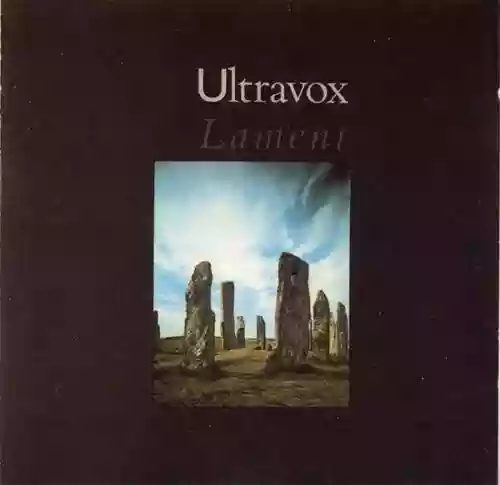
It is a deep immersion into the Stonehenge of the North, into that mysticism of the cover, which initially was supposed to be completely black. Yet, to once again recall the history of man, the choice prevailed to depict those millenary stones erected on the Isle of Lewis in Scotland, renamed by the inhabitants as the stones na fir bhrèige, meaning the "false men".
Hand in hand, savoring the past, while we drink this gift for you. Hand in hand, savoring the past, while we drink from all this.
It is a vision of forgotten lands, of millenary Celtic deities haunting spectral on the skeletons of a Europe that will soon be looted of its Beauty. The road towards totalitarianisms had already been traced, gaining strength from the distraction of the masses, wrapped in all that glossy glaze and oceans of popcorn. But there is a thread of hope, we stand next to the Old Stones and a Celtic Goddess stands with us. And she weeps for Us and for our agonies (so say the lyrics!).
All the incredible spleen of this album is reduced to essence in the vibrant A Friend I Call Desire, a main track and manifesto that will set the standard and fortune of an entire straying generation of synthetic melancholics, great-grandchildren of Connie Plank, of cold performers like Martin Gore who will draw essential inspirations from this generation of original cyberpunk storytellers and retrospectively new romantics.
And that breathless run in the dimming metropolis to reach the beloved for the last time is all in the dark synth carpet of A Friend I Call Desire, amidst buildings and streets on the brink of whitening into nothingness, of dreams dissolving into eternity, between angelic and intertwined feminine vocals, have we traded our reason for our desires, our intellect for our wants, our soul for paltry goods? And, better yet, do we even know we’ve lost something?
In short, these 80s weren't exactly a walk in the park.
Loading comments slowly
Summary by Bot
Ultravox's Lament is a poignant and intense 80s New Romantic album, rich with dark synths and mystical themes. It blends apocalyptic imagery and Celtic mysticism, evoking nostalgic melancholy. Tracks like 'A Friend I Call Desire' stand out as synth-driven anthems that influenced future generations of musicians. The album captures the bittersweet essence of its era with emotional depth and artistry.Tracklist Lyrics Videos
Ultravox
Ultravox are a British band associated with new wave and synth-driven rock. Early recordings (often credited as Ultravox!) featured singer John Foxx; from 1979/1980 the group fronted by Midge Ure achieved major commercial success, with “Vienna” commonly cited as their signature work.17 Reviews
Other reviews
By Indio
‘Dancing With Tears In My Eyes’ is one of the best tracks of Ure’s entire production.
A gem of the ’80s, showing Ultravox’s courage to re-experiment beyond synth-pop.
