
 •
Rating:
•
Rating:
THE REVIEW
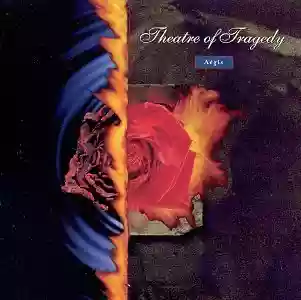
The Theatre of Tragedy, perhaps the most influential "Beauty and The Beast Metal" band of all time, released their best work in 1996: "Velvet Darkness they Fear," which would increase the Norwegian band's fan base. In 1998, they released an album that diverged from much of what Theatre of Tragedy had previously done, surprising many critics and fans: Aegis, an album dedicated to 9 women of antiquity.
The tracks are streamlined, immediate, and rhythmic, no longer as challenging as before. The atmospheres are less dark and oppressive, and electronics, which would become the cornerstone of their future productions, begin to be used, albeit only marginally. Raymond Rohonyi abandons his growling vocals in favor of a clean but very low voice, while Liv Kristine further enhances the expressiveness of her singing. In short, we are still talking about gothic metal, but a much more dreamy and dynamic gothic. The fans, perhaps puzzled by the change, did not understand the excellent level of inspiration the group achieved on Aegis.
The CD opens with "Cassandra," a monolith, followed by the excellent "Lorelei," a dynamic piece whose strength lies in the keyboard notes and a chorus with a sure impact. "Angelique" is next, an atmospheric, paced, and decadent piece more in line with the canons of classic Gothic metal. Liv sings divinely. "Aoede" is instead a piece with futuristic atmospheres, also thanks to the use of electronic samples. In this track, we find the most successful (and heavy) riffs of the entire work. The fifth track, "Siren," wins the title of the best piece of the album, especially thanks to the beautiful keyboards and the chorus, where the quintessential metal Siren delivers a truly intense and thrilling interpretation. As her vocalizations disperse in the air, the image of a sinuous siren swimming in the depths of the sea appears in my mind. "Samantha" is a truly danceable piece, accompanied by a very catchy chorus, but not for this reason any less successful, on the contrary. Indeed, this piece anticipates what the group would propose in subsequent albums. "Venus" is another peak of the album: the voices of Liv and Raymond intertwine divinely in a dark atmosphere. "Poppea" is a very dreamy and reflective track, depicting landscapes of antiquity. The CD closes with the excellent "Bacchante," which has a truly chilling finale, thanks to a very gothic choir.
If you are looking for quality Gothic Metal, do not fret: you will find what you seek in Aegis.
Loading comments slowly
Summary by Bot
Theatre Of Tragedy's 1998 album Aegis marks a stylistic shift with more melodic and electronic elements while maintaining a gothic metal core. Dedicated to nine women from antiquity, the album features standout tracks like 'Siren' and 'Venus.' Fans might initially be surprised by the cleaner vocals and less oppressive atmosphere, but the album's quality and inspiration shine through. Aegis remains a dynamic, dreamy gothic metal classic worthy of exploration.Tracklist Lyrics Videos
Theatre of Tragedy
Theatre of Tragedy were a Norwegian band formed in Stavanger in 1994, widely associated with early gothic/doom metal and the “beauty and the beast” vocal contrast. Their catalogue is frequently discussed for its major stylistic shifts, from doom-tinged gothic metal into more electronic and industrial/pop-leaning territory, and later releases featuring a new female vocalist after Liv Kristine’s departure.13 Reviews
Other reviews
By Angellore
The opening track, the splendid 'Cassandra,' is a kind of sound manifesto of everything we will find throughout the album.
I consider it a true 'gem' in the metal landscape. Its main asset is its 'modernity': when listening to it, you wouldn't think that it's a work from ten years ago.
