
 •
Rating:
•
Rating:
THE REVIEW
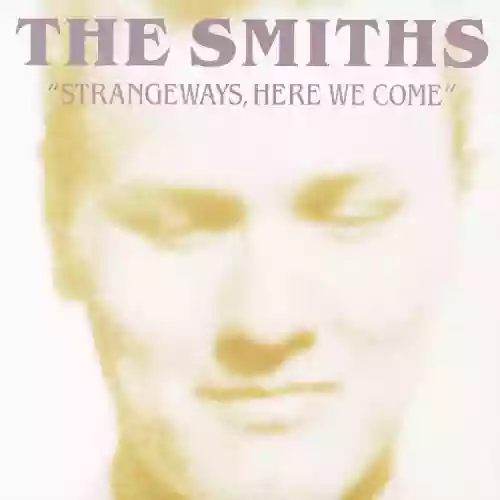
This is the album of the collapse, where the beginning of the descending curve coincides with the end of the group that had given so much to the History of Rock with their previous works. The album indeed marked the transition from a small record label to a big Major, and this responsibility, this "becoming" big and becoming "real rock stars" greatly influenced the moods and compositional freedom of the Morrisey/Marr duo.
The songs here are well-crafted in terms of sound and introduce effects and refinements never dared before, but alas, it's the quality of the writing and the general mood that suffers, with an album of songs that feel restrained and "born tired": they lost that anger, that defiance, and that out-of-the-box essence that had characterized the band in previous years. It starts with the half-ska of "A Rush And A Push And The Land Is Ours" to the classic "I Started Something I Couldn't Finish" with a clean and unremarkable sound. "Death Of A Disco Dancer" returns with a slow build reminiscent of other works while the single "Girlfriend in a Coma" is cute and catchy in its teen approach. Prophetic is the following "Stop Me If You've Heard This One Before," which urged the band itself to put into practice what was declared, while the subsequent "Last Night I Dreamt That Somebody Loved Me," a slow ballad, almost a waltz, keeps the Smiths' flag high with a slow and relentless track, so poignant and evocative of a certain malaise that our Morrisey began to feel. The following "Unhappy Birthday" returns to give us a typical high-level Smiths song while the subsequent "Paint A Vulgar Picture" and "Death At One's Elbow" are easily forgotten. With the last "I Won't Share You," the group bids farewell to their official career (followed, as usual, by live performances, bootlegs, best ofs, and a thousand other things...), realizing that most of their work was done when they were small, unknown to most, and niche.
With the transition to the Major, their delicate strands unraveled, and the Smiths project, already fragile, fell into a thousand pieces. A real pity. And a real pity that they came out with this "almost pop" album in sounds and intentions, with a nod to the "major Market" that added nothing, but if anything took away from their greatness. Who knows why at a certain point almost everyone gets the urge to "expand": more concerts, more pomp, more promotion, all to have more fans and more money (I suppose)... well, it certainly takes big, sturdy shoulders to be "Professional Rockstars" and our four pale British boys with that frail and unhealthy look just couldn't do it. A stain on their discography, so small it's insignificant.
Loading comments slowly
Summary by Bot
The Smiths' final album, 'Strangeways, Here We Come,' marks a decline from their earlier raw energy as they transition to a major label. Though sonically refined, the songs feel restrained and lack the rebellious spirit. Key tracks show hints of the band's classic style, but overall the album signals the band’s end and loss of creative freedom. The review sees the album as a minor and almost pop-oriented stain on their legacy.Tracklist Lyrics Videos
The Smiths
The Smiths were an English rock band formed in Manchester in 1982, best known for the songwriting partnership of vocalist Morrissey and guitarist Johnny Marr, alongside bassist Andy Rourke and drummer Mike Joyce.14 Reviews
Other reviews
By igiul
Four albums were enough to make The Smiths the most important band of the ’80s on the British scene.
Better to die young in the end; even if they should have died a moment earlier to ascend to the rank of divinity.
