
 •
Rating:
•
Rating:
THE REVIEW
Four albums were enough to make the Smiths the most important band of the '80s on the British scene. But, considering what has been presented to us in recent decades, it is not an exaggeration to say that we are facing the greatest band of the last 30 years. Even today, Morrissey and Marr (especially the former) remain influential figures in the UK, not only in the musical realm but also politically and socially. Evidence of this is the recent clash in the House of Lords between the opposition and the prime minister, precisely about the Smiths' songs. Although David Cameron declares himself a fan, neither Morrissey nor Marr reciprocate that affection (Marr even ordered Cameron "I forbid you to like the Smiths").
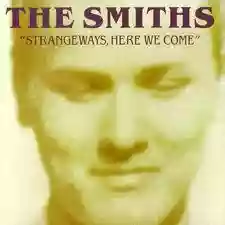
"Strangeways Here We Come" is the swan song of the Manchester Band (although followed by various appendices in the form of compilations). Talking about this album is somewhat placing oneself in the perspective of what if, that is, what would have become of the Smiths if they had not broken up. The path traced by the ten tracks seems to be one of greater exploration in sound, with the introduction of elements that at the time were considered alien to the band’s punk-derived DNA: the harpsichord in "Rush and push and the land is ours", the absence of Marr's guitar in some tracks, the strings, and even the notorious drum machine. In terms of lyrics, we do not deviate from previous works: here too, they are mostly excellent, with Morrissey always teetering between melancholy and macabre humor. While the first part of the album seems to promise a lot (especially "Death of a Disco Dancer" - inexplicably excluded from various best ofs-, "Girlfriend in a Coma" and "Last night I dreamt that somebody loved me"), from the seventh track onwards, things take a downturn: we transition from the tedium of the interminable "Paint a Vulgar Picture", to the negligible "Unhappy Birthday" and "Death at One's Elbow". It's difficult to say whether this is due to the exhaustion of a relationship, that of the two Leaders of the band, now worn out. Certainly, the accounts of the recording weeks give us the picture of three musicians burning the midnight oil and the eccentric singer in bed by ten p.m.
Although their career lasted a handful of years, as I see it, regret should give way to relief: if they had continued any longer, probably the Smiths would have ended up overshadowing their own myth. Better to die young in the end; even if they should have died a moment earlier to ascend to the rank of divinity. Still, they didn't come very far..
Loading comments slowly
Summary by Bot
This review highlights The Smiths' lasting impact with their final studio album, Strangeways, Here We Come. It praises the band's innovation and strong lyrics, especially in early tracks. Despite some weaker songs towards the end, the album remains a significant part of 80s British music history. The reviewer reflects on the band's breakup as a timely end preserving their myth.Tracklist Lyrics Videos
The Smiths
The Smiths were an English rock band formed in Manchester in 1982, best known for the songwriting partnership of vocalist Morrissey and guitarist Johnny Marr, alongside bassist Andy Rourke and drummer Mike Joyce.14 Reviews
Other reviews
By The Punisher
They lost that anger, that defiance, and that out-of-the-box essence that had characterized the band in previous years.
With the transition to the Major, their delicate strands unraveled, and the Smiths project, already fragile, fell into a thousand pieces.
