
 •
Rating:
•
Rating:
THE REVIEW
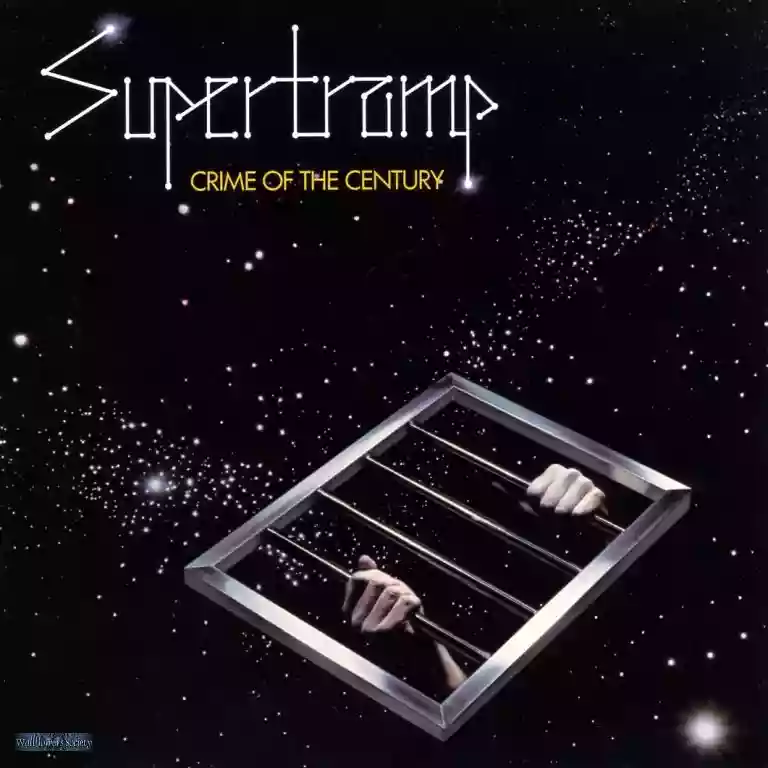
The album begins ("School") with a long harmonica preamble, an idea borrowed from the great Morricone of "Once Upon a Time in the West", followed by the vibrant and high-pitched voice of Roger Hodgson, an absolute trademark among many of this group, which begins to narrate a story of school repression and beyond. The piece develops in a very progressive manner, with tempo and atmosphere changes and with a striking hammering piano solo by Rick Davies, becoming increasingly intense until the final climax after which it literally "drops" into the next track ("Bloody Well Right"), opened by another piano solo (this time electric).
Then a heavy riff follows, softened by the baritone, mocking and bluesy voice of keyboardist Davies, accompanied in the chorus (very effective, ironic, creative) by the backing vocals of Hodgson and the carefree but brilliant horn player John Anthony Helliwell. The piece concludes by accentuating its pop-jazz atmosphere with a sax solo counterpointing Davies' final phrases. Helliwell is still playing as the characteristic Wurlitzer piano played in eighths (by Hodgson) starts for the fantastic verse of "Hide In Your Shell”… one of those tracks that, it can be said, fails to deliver on its promises, in the sense that the chorus (rather melodically predictable) is not as good as the fantastic verse.
After a break (the first of the album, we are in "Dark Side of the Moon" style for this, in short) the piano and then Davies' voice arrive for the superb "Asylum", a progressive ballad with the orchestra highlighting its most dramatic passages. By the fifth track comes the super bright pop of "Dreamer": Hodgson pounds on the electric Wurlitzer piano like a blacksmith, tireless; the rhythm work (Bob Bemberg on drums and Dougie Thomson on bass) is refined and engaging, Hammond organ inserts are perfect, Hodgson's voice is really upstairs, incredibly high and thrilling, and in short, this is a truly enchanting and brilliant piece of English pop.
The atmosphere becomes much more melancholic with the following piece ("Rudy", by Davies), very composite and "progressive", the best of the album from this point of view. It's the story of a poor soul rendered in a very cinematic way, with copious use of orchestra and ambient effects. "If Everyone Was Listening" that follows is the only filler, in my opinion: here Hodgson is just sappy and tedious in singing and the melody is not as memorable as all the others. The work picks up again and then concludes with the track that gives it its title, a very solemn Davies piece, on the fact that we're all, no one excluded, sending this world down the drain.
Supertramp then perfected, over the next albums following this one, a peculiar type of pop song made of hammered piano and falsetto choruses which reached its acme in 1979 with the monstrous sales of their sixth album "Breakfast in America": at that moment it seemed they had the world in their hands if it’s true that even Lucio Battisti went all out copying their arrangement ideas in his works from that period. Instead, nothing, the world in their hands but two years later no one wanted them anymore and they, saddened but well rich, gracefully accepted the change of wind, quietly fading away without too many jolts.
Their success was ascribed to the pop field but the group's genesis is progressive: I don't know how but in their youth, they found a kind of Dutch patron who was crazy about their naïve and raw suites and covered all early career expenses, which produced two records rightly overlooked. By the third album (this one, year 1974) the pieces of the Supertramp puzzle magically fell into place… it is undoubtedly their best work because they were turning towards pop, but still carrying with them charming progressive remnants that made them much less slick and polished than in the "big seller" five years later (which was excellent, indeed simply fantastic and unrepeatable).
In the quintet the roles are well-defined: double composer/singer in the persons of Hodgson guitarist but with a mandate to pound on the electric piano and Davies keyboardist (and harmonica player in "School"). Hodgson is a kind of hippy, idealistic and mystical, essentially a guitarist but able to characterize the group's major hits with his hammering piano style, not to mention again his very high-pitched and recognizable voice among thousands. Rick Davies instead has a more "normal" voice, jazz and rhythm & blues flow under his fingers and vocal cords and his music is more earthy and concrete. Essential to the group also is the horn player Helliwell, not only for his tasteful interventions but also for the general touch of humor as he is a true talented joker. Bemberg and Thompson, as already mentioned, are an intelligent and creative rhythm section, playing little and well.
The disengaged may find too little pop in this work, the “progressives” perhaps too much. I find it to be a very bright jewel.
Loading comments slowly
Summary by Bot
The review praises Supertramp's 1974 album Crime of the Century for its blend of progressive rock and pop, highlighting standout tracks like "School," "Bloody Well Right," and "Dreamer." The distinct voices of Hodgson and Davies, the engaging piano work, and creative instrumentation contribute to the album's lasting appeal. While some tracks like "If Everyone Was Listening" are considered weaker, the album overall is regarded as a bright, progressive pop gem marking the band's artistic peak. The review also touches on the band's evolution and role divisions within the group.Tracklist Lyrics Videos
Supertramp
Supertramp are a British rock band formed in London in 1969, best known for their 1970s run blending pop songwriting with progressive-rock elements and for the global success of the album "Breakfast in America" (1979).17 Reviews
