
 •
Versione 1
Rating:
•
Versione 1
Rating:
THE REVIEW
Just to reiterate once more how the now distant sixties and seventies were unparalleled (also) in music, it is enough to focus on the pop sector: the sixties gave us the Beatles with Stones in tow, the Beach Boys and the Mama’s & Papa’s, Simon & Garfunkel… in the seventies, however, we enjoyed and still enjoy the memory of people like 10cc, the young Elton John, the Sparks, the best Bowie and many others among whom, in full right, are these Supertramp.
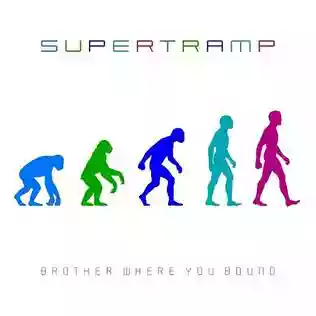
This record, however, is from 1985, chronologically the eighth in a career that began at the dawn of the previous decade and is especially the first without Roger Hodgson, guitarist, pianist, and singer, the true pop heart of the group, who unexpectedly bid farewell to the band the year before to go solo (without much luck). Without him, leadership is concentrated in the hands of pianist, organist, and singer Rick Davies, a type more inclined to American rhythm & blues, or at least London British blues, earthy and ironic as much as his alter ego Hodgson was mystical and "hippy-like".
It was precisely the mix of their two very different souls and expressions that provided Supertramp with the fuel for a tasty and multifaceted repertoire. In the manner of Lennon and McCartney with the Beatles, the friendship/rivalry between the two very different types of men and musicians benefited the band. Without Hodgson's support, Davies manages to hold his own fairly well on this album, while the subsequent ones, on the contrary, will invariably falter, progressively sliding Supertramp into the background of success and popularity.
The album starts fantastically with the perfect white soul groove of “Cannonball”. Biographies narrate that composers Davies and especially Hodgson would impose already fully developed arrangements on their rhythm section even for their instruments, note by note for the bass and down to every single tom strike for the drums… Nonetheless, it remains the case that both Bob Siebemberg, the group's American behind the drums, and Scottish bassist Dougie Thomson are excellent musicians, and this rolling riff is their career apotheosis. The only problem with “Cannonball” is that it's stretched too long: it lasts almost eight minutes and, considering it develops entirely on the single chord of G minor… This leads back to the more general fact that the album only contains six tracks, a bit more than Davies used to include in Supertramp's albums in the past, but this time there aren't as many from Hodgson!
So this work travels very much in the progressive manner, with several tracks drawn (too) long, foremost the self-titled suite (decent, nothing groundbreaking) lasting over sixteen minutes, which forms the grand finale. With historical settings, the lyrics of this ambitious song take on the still looming Cold War, but the highlight is provided by David Gilmour's contribution, who, accepting the group's invitation, one fine day crosses the threshold of Davies’s studio bringing one of his Fenders and his usual cabinet of effects and amplifications. At that time, Pink Floyd was on stand-down, and their guitarist had time to collaborate on other people's music he liked, so here are the typical long sounds and the masterful touch of David on a Supertramp record (however, it is frankly far from groundbreaking, being objective).
A final observation must be made for the quality of the recording and production by David Kershenbaum: it is almost perfect, exhilarating. This record is worthy of serving as a demonstrator for stereo systems… the spectacular rolling of “Cannonball”, with Siebemberg's drums and cymbals captured as best as possible, and the bass and piano without a Hertz out of place, manages to convey complete physical pleasure, beyond any possible strictly musical taste.
Loading comments slowly
Summary by Bot
Brother Where You Bound marks a significant shift for Supertramp after Roger Hodgson's departure, with Rick Davies leading a more progressive album. Despite long tracks and some repetitiveness, David Gilmour's guest guitar adds distinct value. The album's production quality is exceptional, capturing intricate musical details. Although not groundbreaking, it retains interest especially for fans of classic progressive rock. The Cold War-themed title track offers an ambitious lyrical scope.Tracklist Lyrics Videos
Supertramp
Supertramp are a British rock band formed in London in 1969, best known for their 1970s run blending pop songwriting with progressive-rock elements and for the global success of the album "Breakfast in America" (1979).17 Reviews
