
 •
Rating:
•
Rating:
THE REVIEW
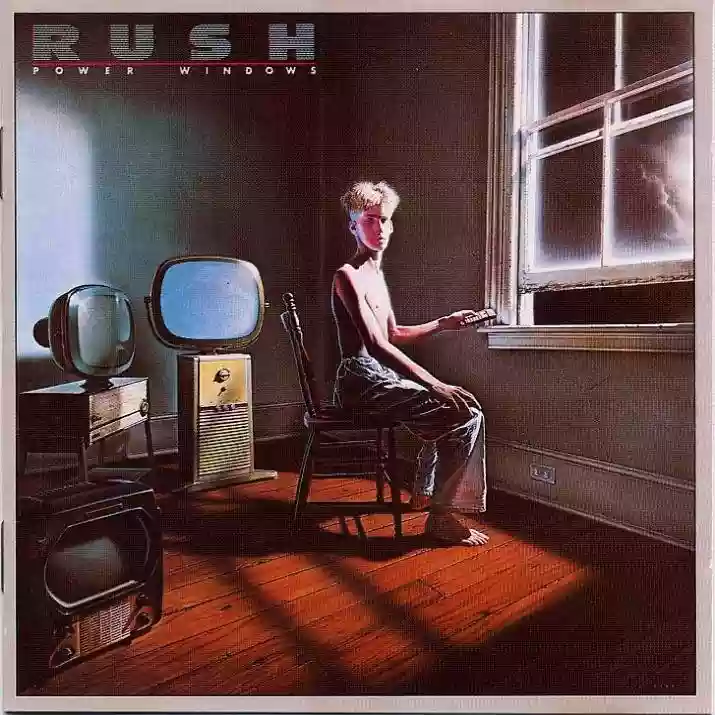
1985. The Rush release what is probably the album that best reflects the essence of Rush in the '80s. Once again, as already happened in "Signals" and especially "Grace Under Pressure," the use of synthesizers is prominent as typical of the music of the period; indeed, in this album the electro-pop influence is even more evident, and here the comparison with other legendary bands of the period is inevitable... but Rush do everything with the personality and class they always have. The attention to melodies and structures has never been optional for Geddy Lee and company and never will be. And this approach, albeit very leaning towards commercial, never results in banality but in a product always very refined; Rush have always accustomed us to constantly renew themselves without ever missing the mark, and I would say this is also a more than respectable product. Honestly, I must say that it is not at all easy to create an album as undoubtedly catchy as this one without compromising the appreciation for things well done and well cared for... and I must say that Rush handle it excellently; it is amazing how the '80s period, a terrain not very fertile for originality and instead favorable to more standardized melodies (this is the only way to explain the decline of progressive rock), is not an obstacle to the group's personality. This album, therefore, can be enjoyable for those who theoretically listen to whatever is offered but still strikes longtime fans of Rush, those who have always appreciated them for their desire to always go beyond what they do.
And so here come 8 very appropriate tracks that flow quickly, directly, hitting the mark! The first track, "Big Money," is one of those typically impactful openers, very suited to opening the album. Here Alex Lifeson's guitar is definitely at the forefront with its clear and rhythmic sound and the keyboard parts seem more complimentary, yet inserted at just the right moments. But "Grand Design" is quite another thing, here the synth loops clearly bring to mind fully ’80s sounds, especially the central riff! Also splendid is track No. 3 "Manhattan Project," with keyboards engaged in creating dark and delicate atmospheres without deviating from the typical sound of the rest of the album. "Marathon" instead highlights the liveliness more than any other track thanks to Lee's excellent rhythmic bass play, impeccable as always, and a chorus certainly among the catchiest of their career, with notes of synth deliberately suffocating the rest of the instrumentation but always well constructed. Not bad also is Lifeson's solo before the last chorus. Special and surreal atmospheres with the keyboards at the forefront in "Territories" and once again synth loops in full '80s style. "Middletown Dreams" begins with a nice electronic riff followed by delicate guitar touches but the best moment of the song is the central synth part which brings Rush closer to '80s pop style more than at any other moment of the album. Slightly underwhelming the penultimate "Emotion Detector," with its particular oriental atmospheres, however, splendid is the concluding "Mystic Rhythms": synthesizers are the absolute protagonists, dark, nocturnal, festive atmospheres, another example of how electronic experiments are a strength for Rush during this period!
Once again, Rush in the service of liveliness... recommended for the sunnier ones, for those who love to let loose with music, for those who see in it a great outlet but also for those who choose things done right and to those who see banality as an element capable of losing charm in things!
Loading comments slowly
Summary by Bot
Power Windows captures Rush’s essence in the 1980s by integrating prominent synthesizers with refined melody and structure. The album balances catchy, commercial appeal with sophisticated musicianship. Tracks like "Big Money," "Marathon," and "Mystic Rhythms" showcase a successful blend of 80s electro-pop influences and Rush’s classic personality. Fans of progressive rock and 80s music will appreciate this lively and well-crafted album.Tracklist Lyrics Videos
Rush
Canadian trio formed in 1968, best known for blending progressive rock and hard rock across a multi-decade career; core lineup credited in reviews: Geddy Lee, Alex Lifeson, Neil Peart.46 Reviews
Other reviews
By vellutogrigio
'Perhaps the best way to approach the album is to... ignore that it is a Rush work, trying to grasp its intrinsic qualities regardless of the labels and expectations.'
'Mystic Rhythms: a moving song that seeks to explain (and succeeds in doing so) the mystery of music, from its primordial beats to the electronic elaborations of the '80s.'
By rasna
"Madly over-produced," that's how Neil Peart described the album Power Windows.
"Power Windows is certainly a great album, not a masterpiece but very good and different even when compared directly to its predecessor, Signals."
