
 •
Rating:
•
Rating:
THE REVIEW
The New York of the second half of the '80s was a factory of very hard bands, often devoted to that fusion of hardcore punk and thrash metal called crust punk: among others, we can mention Agnostic Front, Madball, Sick Of It All, later on the phenomenal Biohazard (although dedicated to crossover), and of course the band in question, the lesser-known Nausea.
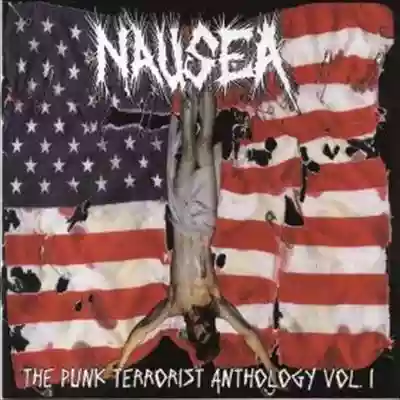
Formed in 1985, like the vast majority of hardcore bands, they did not have a long life; they disbanded seven years later, in '92, leaving behind an LP ("Extinction" from 1990) and two 7", "Cybergod" and "Lie Cycle." The album reviewed is the first of two posthumous anthologies released in 2004, dedicated to the band's second period (1988/1992), following the entry of the second vocalist Al Long, who joins founder Amy Miret.
With his entry, the band began to evolve from a simple hardcore blast, experimenting with a slower and more cadenced sound, darker, often close to sludge and doom metal ("Extinction") without neglecting the hyper-fast outbursts typical of crust characterized by Miret's very acidic voice ("Johhny Got His Gun" and "Godless", for example). Nausea, however, distinguishes itself from the hardcore melting pot by their desire to experiment, mixing the cards they have, which aren't many, but are certainly well-played; there are also unexpected "aces," such as the metallic reggae of "Sacrifice". In any case, in both the doomier tracks and the D-beats, Nausea hits very hard: thanks to the rhythm section, consisting of drummer Roy Mayorga (later in dozens of bands, including Soulfly, Sepultura, Stone Sour, but also in the Amebix reunion, staying within the Crust punk field) and bassist John John Jesse, also a famous illustrator of the punk lifestyle and designer of the Agnostic Front album covers. On the lyrics and themes tackled by the group, there isn't much to say: they don't stray far from the trend of punk and thrash metal bands of the time to paint apocalyptic scenarios inspired by the Cold War and the constant nuclear threat ("Fallout"), without obviously disdaining the good old attack on Reagan. Furthermore, it should be noted that Nausea was among the first to talk about the overpowering technology, anticipating certain cyberpunk scenarios that would become dear to bands like Fear Factory ("Tech-No-Logic-Kill", "Cybergod", "Electrodes").
In short, a very valid product, a well-constructed anthology of a group not fundamental, but that many of you will surely find interesting.
Loading comments slowly
Summary by Bot
Nausea, a lesser-known crust punk band from 1980s New York, evolved their sound by blending hardcore punk with sludge and doom metal. This 2004 anthology highlights their experimental edge and politically charged lyrics, tackling apocalyptic Cold War themes and early cyberpunk issues. The review praises the powerful rhythms and vocal delivery alongside notable contributions from band members. Although not fundamental, the anthology is highly recommended for fans of the genre.Tracklist Lyrics Videos
Nausea
Nausea was a New York crust/hardcore band formed in 1985 and disbanded in 1992. Key releases include the 1990 LP Extinction and the posthumous anthologies released in 2004. Line-up and contributors mentioned in reviews include founder Amy Miret, second vocalist Al Long, drummer Roy Mayorga and bassist John John Jesse.01 Reviews
