
 •
Rating:
•
Rating:
THE REVIEW
"What can be said at all can be said clearly; and whereof one cannot speak, thereof one must be silent", word of Ludwig Wittgenstein. Let's take a very famous aphorism by Frank Zappa: "Talking about music is like dancing about architecture". So what? According to this: one should remain silent about music. Again Zappa: "Most rock journalism is people who can't write interviewing people who can't talk for people who can't read". Despite this, we all have more or less an idea of what this blessed music is. Good, take this idea, flush it down the toilet and pull the chain.
Morphine have done nothing but this, depriving Rock music of its main instrument, the guitar; it’s a bit like mocking thirty (and more) years of music. It's no joke, it’s not everyone who can overcome the barriers imposed by common consciousness, habit, and chance. It's a bit like Chuck Berry did when he "invented" Rock 'n' Roll, like Beefheart did when he destroyed it. Morphine have the great merit of being the first to offer the classic mix of Rock & Blues without a guitar. Theirs is a search for the possibilities of music. For this, they are great, for this formal revolution of Rock.
Having traditional Blues in mind, this music cannot be understood. These songs are as far from sublime as anything could ever exist, shy, calm, measured, and rational (in sharp contrast to Blues). The emotion is there, but it's almost imperceptible due to the predominance of structure over content. In reality, everything is calculated. In reality, our guys have done nothing but calculate, that's why I was talking about a formal revolution before. It’s a work of the mind. They didn't invent anything; they just played what had always been there with different instruments. The result is an original, unique, and current genre (today it’s already a classic), but with many references to the origins.
The music of Morphine is a music that lives on a wonderful contrast. The cold reason (in the economy of the work, nothing is left to chance) and the enveloping warmth of Sandman's voice. Morphine's music is music that stands out from all the rest: essential instrumentation and scantiness of sound. In short, they didn't invent anything, but they have been among the most original groups of all time, they didn't invent anything, but few have gone "against the grain" like them.
Morphine consists of: Mark Sandman (vocals and bass), Dana Colley (saxophone), Jerome Dupree (drums from 1989 to 1993 and from 1998 to 1999), Billy Conway (drums from 1993 to 1998).
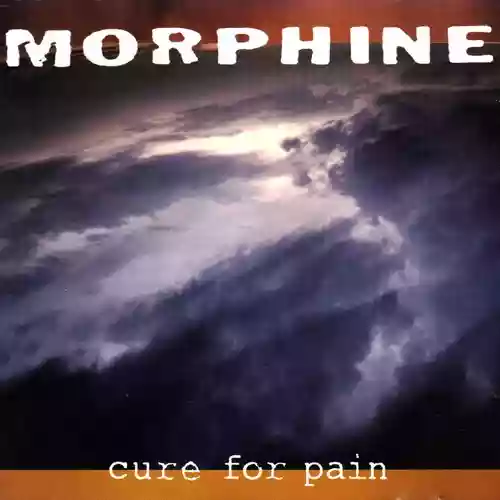
As for the album. This "Cure For Pain" (released in September 1993 and now hard to find) follows the epochal (I don't believe I’m exaggerating) debut "Good" (1992), which perhaps remains the best of their discography. An album (Good) where all their art is condensed in barely forty minutes. In "Cure For Pain" you can notice changes regarding the production work, the structure of the tracks, and the instrumentation. The production is clearly more conventional, the sounds are fuller and more vivid. The structure of the tracks "normalizes" a bit, but without losing style (that of Morphine) and therefore beauty. The instrumentation is enriched (in a couple of tracks) by the guitar, nothing more. A dominant deep sense of melancholy remains in their music. The 13 tracks are just as many gems that maintain their purity listen after listen. Perhaps this is the main characteristic of their music: purity.
Extraordinary.
Loading comments slowly
Summary by Bot
Morphine’s Cure For Pain is praised for its formal revolution by removing the guitar from rock music, offering a unique blend of blues and rock. The album features a melancholic tone, calculated structure, and purity that remains compelling across listens. While not inventing new sounds, Morphine creates a distinctive and original genre with deep emotional contrasts. Their second album builds on their debut with fuller production and enriched instrumentation without losing their signature style.
Morphine
Morphine were an American rock trio associated with a distinctive guitar-less sound built around Mark Sandman’s vocals and two-string slide bass, Dana Colley’s saxophone, and drums (Jerome Deupree and later Billy Conway). Active through the 1990s, they released albums including Good, Cure for Pain, Yes, and Like Swimming; The Night was released posthumously. Sandman died in 1999 after collapsing on stage in Palestrina, Italy.17 Reviews
Other reviews
By Bleach
Morphine managed to coin a genre all their own in an absolutely original way.
The voice, with its soft and fluid tone, goes straight to the heart.
By Marco Salzano
A happy anachronism, I don’t know how else to define this Boston group compared to the American scene of the time.
A good album, one of those apparently low-profile ones that seem tailor-made to become little cults.
