
 •
Rating:
•
Rating:
THE REVIEW
That of the Live is a composed, meditated fury dictated by a deep sense of spirituality, or in any case, by a constant search for it.
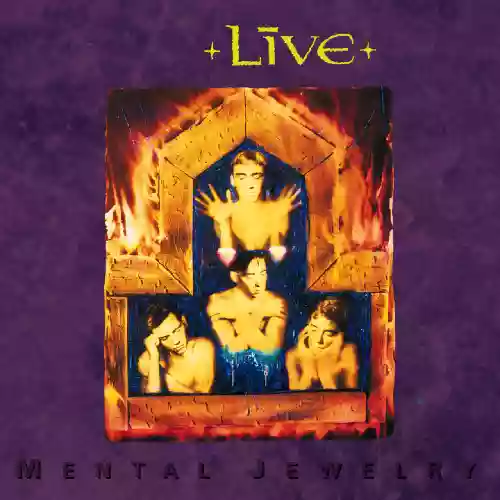
I consider Mental Jewelry as part of an ideal triptych along with Throwing Copper and Secret Samadhi to understand the growth of this band. In fact, the first albums deal with the same themes but under heavily different productions.
Among the reasons, a temporal one stands out. Live was still called Public Affection when they started writing the album, and above all, they emerged from the eighties.
Anyone who approaches the band starting to listen to, for example, I Alone, continuing with Lakini's Juice and encounters The Beauty Of Gray, will wonder if it's the same musicians, if not for the characteristic tremulous singing of Kowalczyk.
In Mental Jewelry, the incisiveness of the clattering guitars is missing—Chad Taylor had not yet adopted it—but there's a lot of groove, really a lot; the mix favors the bass.
Essentially, these Live have more in common with Tracy Chapman than with Pearl Jam.
Here comes into play the real ace of the entire musical project: the pen and voice.
Operation Spirit and Pain Lies On The Riverside (but also Waterboy for example) are a statement of intent. One cannot wait for pain and anxiety to be defeated by a faith to cling to. About this concept, Kowalczyk puts at least half an album.
The spirituality I highlight at the beginning of the review is still the spirituality of musicians in their twenties. But these then-twenty-year-olds channeled resentment and frustration in a characteristic way of presenting and storytelling, though suitable for the commercial ends of the musical scene that decade was forging.
Reading interviews found around, I find myself agreeing with Ed Kowalczyk when he states that, as a songwriter, he finds the ingenuity of early works a gift that unfortunately is destined to fade over time.
Loading comments slowly
Summary by Bot
This review examines Live's Mental Jewelry as an essential part of the band's spiritual and musical evolution. It contrasts the album's groove-heavy, bass-led sound with later works and highlights Ed Kowalczyk's earnest songwriting. The album reflects youthful spirituality and frustration wrapped in compelling storytelling. The reviewer appreciates the unique vibe different from Live's more aggressive later style.Tracklist Lyrics
Live
Live are an American alternative rock band from York, Pennsylvania, formed in the mid-1980s as Public Affection. They rose to prominence in the 1990s with the spiritually tinged, radio-dominating Throwing Copper and singles like Lightning Crashes, I Alone and All Over You. Their sound spans earnest alt-rock, post‑grunge bite and anthemic ballads.06 Reviews
