 •
Rating:
•
Rating:
THE REVIEW
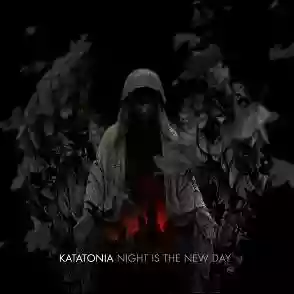
Remember how we left the Swedish band Katatonia three years ago? With a very precise memory: the huge guitars, the occasionally tight rhythms, the increasingly "Tool-like" influences, Jonas' voice in better shape than ever. So, what should we expect from the follow-up to "The Great Cold Distance"?
The grand introduction is entrusted to the already anticipated “Forsaker,” which deceives us, making us believe for a moment that this new work continues the path taken with the previous one... But if you expect to find the same Katatonia from the last albums, you might be disappointed at the first listens! The second track, however, has the ungrateful (but very successful) task of subtly introducing us to what awaits, mixing the two souls of the album, the heavy riffing one and the much softer and "doom" (in the "Katatonia-esque" sense) one: this balance makes “The Longest Year” one of the best tracks of the entire work (and the chorus is one of the most moving ever conceived by the band!). From here on, the album unfolds gently, dragging us into ethereal atmospheres like never before, achieved also thanks to an abundant but skillful use of keyboards, sometimes perhaps too prominent compared to the guitars, of a bass with a "transformative" sound. Sacrificing heaviness in favor of a new intention, now more than ever indebted to bands like Opeth and Porcupine Tree (a perfect example being “Idle Blood”) and once again Tool. And perhaps condemning the album to its only but important flaw, an excessive repetitiveness that a few more dynamic and fast pieces scattered here and there would have helped to avoid. But the unease of “The Promise Of Deceit,” the distressing cadence of “Nephilim” will end up entering your heart ("digging," I would dare say), making you eventually forget the flaws and finally stop regretting "The Great Cold Distance." The songwriting of all the tracks is indeed profoundly mature, the attention to detail is meticulous, the constant research and experimentation with sounds always spot on, Jonas' voice warmer and more versatile than ever.
Finally, reach the wonderful conclusion of the album to fall in love with it definitively: “Day And Then The Shade” momentarily weighs down and enlivens the balance, only to make room for the poetic “Departer,” which, thanks to the vibrant guest vocals of Krister Linder, softly whispers us a “goodbye”...
Loading comments slowly
Summary by Bot
Katatonia's 'Night Is The New Day' marks a distinct evolution from their previous works, blending heavy riffs with softer, ethereal doom elements. The album highlights mature songwriting with memorable choruses and intricate details. Despite some repetitive tendencies, the emotional depth and versatile vocals create an immersive listening experience. The closing tracks especially leave a lasting, poetic impression.
Katatonia
Katatonia is a Swedish band formed in 1991 by Jonas Renkse and Anders Nyström. They began in death-doom and over decades evolved toward melancholic gothic, alternative and progressive sounds, noted for atmospheric production and Jonas Renkse's distinctive vocal style.37 Reviews
Other reviews
By Hell
This album is, to put it bluntly, extremely boring, a work that largely offers a string of tracks that are neither fish nor fowl and have neither head nor tail.
Everything drags on without much dynamism between inconsistent/non-existent 'heavy' passages and lengthy more relaxed and autumnal moments that... end up boring holes within tracks.
By ElectricOne
Once you get in sync and slow down your heartbeat to better synchronize with the mood of the album, a new facet of Katatonia’s multifaceted personality opens up: and it is truly splendidly dramatic and touching.
Ultimately, a controversial but ultimately pleasant album, after all the above-mentioned listening preparation preambles, which does not hit the big target but opens new scenarios for the Swedish combo.
By Taurus
"Night is the new day" is a softer record compared to the previous one, painting desolate and decadent environments veiled by melancholy and bewilderment.
Their music manages to be very evocative when listened to in the right conditions, revealing new details with each listen.
By Hellring
"Dead end kings turns out to be, all in all, the musically flattest and 'weakest' CD from the Swedes."
"'Lethean,' in the writer's opinion the only true highlight of the record, could very well have appeared in 'The Great Cold Distance.'"
