
 •
Rating:
•
Rating:
THE REVIEW
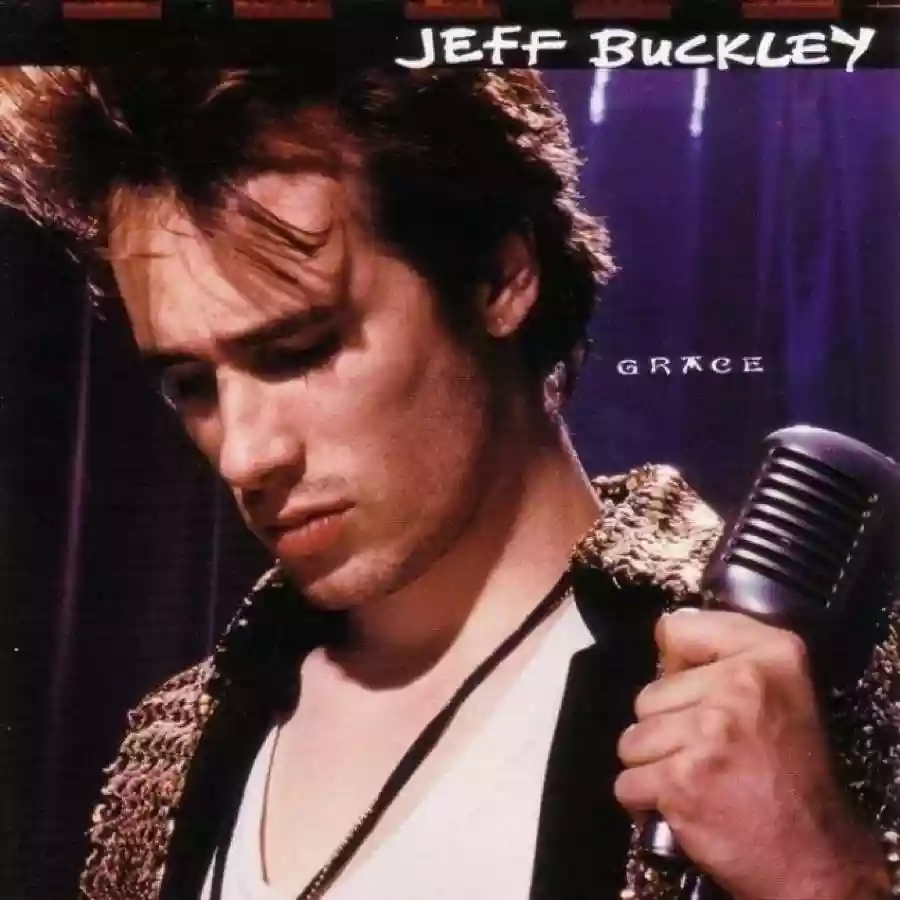
I believe that being a child of an artist and changing the history of music with a cover can rightfully enter the Top Ten of the most humanly difficult things in the world, obviously after enduring fifty-year-olds on the internet pretending to be in their twenties. In my certainly not long life, I have encountered, so to speak, only one artist who, in a single album, succeeded in both of these two titanic endeavors. His name? Jeff Buckley with his album “Grace” (1994).
Let's delve more into these two feats carried out by good Jeff and his angelic voice. When your father is named Tim Buckley, that handsome fellow I like to define as the "Bob Dylan who knew how to play and sing," an experimenter, innovator, and admired since the distant flower period, etching your name in music history with such a burden on your shoulders doesn't seem objectively feasible. But it is the dreamy and powerful voice with a vocal range capable of producing tracks like “Dream Brother” that hit incredibly low notes for a tenor, then reach the “summit” in songs like “Grace” or “Mojo Pin.” It is the ability to move from a track like “Corpus Christi Carol,” a traditional church hymn with long, stretched reverb, to a song like “Eternal Life” with decidedly punchier sounds, with a bass line mad as hell à la Rage Against the Machine and dark, distorted guitar sounds like Alice in Chains. It is that the whole album works both as a progression of tracks and as individual songs. It was his ability to stand out with a genre and versatility that conformed to none of the trends of the time, mainly composed of Seattle grunge and rock/metal remnants from the shimmering ’80s. Perhaps it is that Jeff Buckley was a great guy, but incredibly, when you listen to “Grace,” you don't think: “Yeah, but the father was better.” When you listen to “Grace,” you simply stay in reverent silence and let yourself be carried away by the sweetness of notes that follow in an incredibly pleasant and enjoyable progression, even for those who, in music, love only the disinterested listening.
But let's now come to the second effort of Buckley, the one that probably made him famous and is still listened to today, the one that every year leads some unimaginative musician to bring a cover of “Hallelujah” to a talent show or upload it on YouTube. Actually, there are two covers in the album: the hugely popular and extraordinary “Hallelujah,” written and arranged in the original version by Leonard Cohen, and “Lilac Wine,” equally extraordinary (if not more) but not as remembered, by James Shelton. With less expectation of victory than Leicester from a few years ago, Jeff, a young guy just twenty-seven at his debut album, challenges a titan (remaining in mythological parallels) like Leonard Cohen, another who made his voice a trademark, an artist of immense depth who had been active for decades. Believe it or not, Jeff wins, actually, he overwhelmingly wins, so much that Cohen's original track is entirely forgotten, literally canceled by one of the most important and influential rearrangements in music history. Many see the Seattle scene as the emblem of the '90s youth revolution, but if we think about it carefully, Jeff was the only one capable of truly kicking the past, with that bold character and presumptuous youthful will to rewrite music his way, he is, before everyone else, the true revolutionary of the ’90s.
In conclusion, “Grace” is an extraordinarily beautiful album despite having all the cards (together with its author) to become a colossal artistic and sales failure, but “Grace” is not just this; “Grace” is also an example of how a young guy armed with a few instruments managed to mark a crucial X in the history of world music, overturning past generations and succeeding in the daunting task of making them forget with the mere touch of the Play button.
Loading comments slowly
Summary by Bot
Jeff Buckley's 1994 album 'Grace' is hailed as a revolutionary work that transcends the shadow of his father, Tim Buckley. Featuring a stunning vocal range and exceptional covers like 'Hallelujah,' the album stands apart from 90s grunge trends. 'Grace' showcases Buckley's unique musical versatility and lasting influence, marking a crucial moment in music history. The review praises the album’s emotional depth and timeless quality.Tracklist Lyrics Videos
Jeff Buckley
Jeff Buckley (American singer-songwriter) released Grace (1994), was celebrated for his voice and covers (notably Hallelujah), and died on May 29, 1997 in the Wolf River, Memphis.28 Reviews
Other reviews
By Sallu
Grace is the most beautiful debut album I have ever listened to.
Listen to this CD, and your life will change; I don’t know if it’s for better or worse, but it will change...
By francis
Sure, if he didn't whine so much... sounds like Pink Floyd with a beaten dog instead of Gilmour.
Too melodramatic, over the top... the others in the band are anonymous: they sound like Hootie & The Blowfish.
By tomic
An immense album. The genius of an artist emerges, impetuous.
Ambassador of his soul, an unparalleled and multifaceted voice.
By nexus1
I believe Jeff Buckley’s voice borders on perfection!
Not a single note or letter of the entire album is placed by chance, almost composing a mosaic made of pieces more unique than rare!
By betotal
The tracks ... become INDELIBLE MARKS, they become TEARS, they become ditches that carve my bones.
Grace is just that moment. The one that doesn’t come back anymore. And that you dream of forever.
