
 •
Versione 1
Rating:
•
Versione 1
Rating:
THE REVIEW
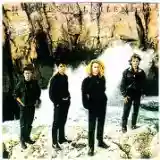
Héroes del Silencio was formed in 1984 in Zaragoza (Spain), previously known as Zumo de Vidrio and founded by guitarist Juan Valdivia. Immediately, Enrique Ortiz De Landázuri (who later used the stage name Enrique Bunbury) joined the band as a bassist. Shortly after, drummer Pedro Andreu and bassist Joaquin Cardiel joined, and Enrique decided to leave the bass to take on the role of vocalist. In 1987, Gustavo Montesano (guitarist of Olè Olè) attended the band's concert in a Zaragoza venue and, recognizing their great potential, decided to sign them with EMI. In August of the same year, the mini LP "Héroe de Leyenda" was released, containing four tracks ("Héroe de Leyenda" (maxi version), "El Mar no Cesa", "La Lluvia Gris", "Héroe de Leyenda") and achieved good sales (exceeding expectations), giving the band the opportunity to record a full-length album, again with EMI. The first anticipated album is therefore "El Mar No Cesa", which was released in 1988 and includes tracks that the band had already composed and played live previously. It must be said that the sound of the album was not what the group actually wanted, as they followed the directives of the producer G. Montesano (leader of a techno-pop group) and thus did not highlight the true capabilities of the four Héroes, and it’s no coincidence that the songs performed live had an entirely different depth and energy was definitely superior. Despite this, there are tracks present that have become very appreciated classics. "Mar Adentro" is to be considered their first success and was made into a music video (chronologically it would be the first as it was released in 1989), which they themselves consider to be their best composition. The track is immediately impactful, with romantic lyrics and an engaging melody that immediately capture attention and passionately engage the listener (at least that's what happened to me!). "Hace Tiempo" focuses on Juan's guitar arpeggio that then flows into a great solo and on Enrique's emphatic voice. The third track is "Fuente Esperanza", which has a noticeable new wave influence that pervades much of the album, the same for "No Mas Lagrimas" in which there is a drum machine; in my opinion, in these two songs, Gustavo Montesano's intentions are more than evident as they lean towards pop, and even the vocal tone doesn't fit Bunbury's warm and deep voice. You can breathe a breath of good rock in "Olvidado" where the whole band gives a good demonstration of their abilities and finally you understand the true "rock" nature of the quartet, the live version is definitely superior and captivating, which can be heard in the live "En Directo" (1989) recently included in the remastered version of "Senda '91," which is highly recommended for Héroes fans! "Flor Venenosa" and "Agosto" are two "acoustic" pieces where the "Mediterranean" and "Spanish" sound echoes, in a certain sense making a difference compared to the other tracks and demonstrates that the group does not shy away from inserting certain "more sophisticated" sounds. Both deal with sentimental themes, in "Agosto" there's a reference to a girl named Adelì (nicknamed Adelina as one can easily understand) and the fact that Enrique meets her on an August night or considers that night something special. In this splendid track, the lyrics are very profound and intense, a characteristic that will mark the songwriting of the subsequent albums. "El Estanque" is introduced by the sound of the ocean waves (a very suggestive choice) and by intricate arpeggios that create a melancholic and nostalgic atmosphere, transporting us into a splendid marine landscape where we remain motionless and enchanted in front of the wonderful strength of the sea (it's no coincidence the album is titled "El Mar no Cesa", and the concept of the album is centered precisely on this "immense element"). "La Vision de Vuestras Almas", "La Isla de Las Iguanas", and "...16", continue on the rock-new age path that was in vogue in the '80s and, as I've mentioned before, is easily detectable in the other compositions of the said work. Special attention is given to "...16", really well executed and very catchy that unfortunately wasn't particularly featured live, in my opinion, it's one of the album's highlights and perhaps deserved greater consideration. The closer is "Héroe de Leyenda", which actually came out in 1987 in the eponymous mini LP. The track is literally "majestic," the text turns out to be highly poetic and perfectly matches the melody and Enrique's inspired voice (to be truthful, I prefer the more recent and better-arranged version released in the compilation "Canciones '84-'96") and represents a remarkable artistic performance by the four musicians from Zaragoza. This is surely the band's most introspective album, different from the "rocker" style for which Héroes are internationally known and is also the least commercial in terms of music and production but received a great response at home, winning a platinum record. For the record, in 2006, the band had all four studio albums re-released in "digitally remastered" versions with several bonus tracks, all in view of the following year's reunion and the short tour that followed (they performed dates in the USA, Guatemala, Mexico, and Argentina) and in Europe unfortunately did not go beyond the Spanish borders, touching only Zaragoza, Valencia, and Seville.
Loading comments slowly
Summary by Bot
El Mar No Cesa is Héroes del Silencio's introspective debut album featuring a blend of rock and new wave influences. Despite production constraints, the album includes standout tracks like "Mar Adentro" and "Héroe de Leyenda" that showcase the band's true potential. The record reflects Mediterranean sounds and poetic songwriting that became trademarks of the band. The album received a warm reception and was reissued with remastered tracks ahead of the band's 2007 reunion tour.Tracklist Lyrics
Héroes del Silencio
Héroes del Silencio formed in Zaragoza in 1984 and rose from early EMI releases to international acclaim. Their debut El mar no cesa (1988) carried new wave/pop hues, but Senderos de Traición (1990) became a turning point, with strong European sales and the hit “Entre dos tierras.” El espíritu del vino (1993), produced by Phil Manzanera, expanded their sound and chart reach, and Avalancha (1995), produced by Bob Ezrin, marked a peak before the 1996 split. The band reunited for a short tour in 2007.05 Reviews
