
 •
Rating:
•
Rating:
THE REVIEW
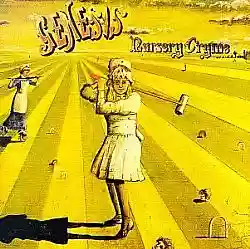
1971: progressive music is in bloom and the most famous exponents of this genre are about to reach the peak of their success. For the Genesis, there is already an air of revolution within the group, with the entrance of guitarist Steve Hackett and a promising drummer named Phil Collins. The band had already achieved a good success with the previous "Trespass", dated 1970, and were preparing to create a work of their time with this "Nursery Cryme". Their fourth studio album begins with a true masterpiece of music. "The Musical Box" is a ten-minute piece, with a particular structure but above all capable of alternating angelic sounds with rougher ones, thanks to flutes, guitars, and keyboards skillfully mixed. The choruses are beautiful, and Peter Gabriel gives his best at the microphone. An epic and great piece capable of moving listeners from the very first listen and engaging anyone in their music.
"For Absent Friends" is a short acoustic song, but not of low quality. Instead, "The Return Of The Giant Hogweed" opens with a very captivating keyboard riff that characterizes the entire piece, accompanied primarily by the electric guitar. Towards the middle of the composition, it becomes epic and simply fantastic to the ear, changing rhythm several times and ending with a majestic conclusion. "Seven Stones" is quite surprisingly catchy and dramatic for this record. The fifth track "Harold The Barrel" is constructed to exalt the abilities of the first leader Peter Gabriel, singing very long phrases in very short times. "Harlequin" paves the way for "The Fountain Of Salmacis", which closes the album with a masterpiece. It begins with the Mellotron and the now epic progression in some parts, sudden changes of tempo, and musicians capable of playing music with great mastery.
Serious lyrics and high-quality music make up a wonderful and complete album, passing into music history through the main door and able to enthrone sacred monsters until the end of the '70s.
Loading comments slowly
Summary by Bot
Released in 1971, Genesis' Nursery Cryme is a pivotal progressive rock album showcasing the addition of Steve Hackett and Phil Collins. The reviewer praises standout tracks like The Musical Box and The Fountain Of Salmacis for their complex structures and emotional depth. The album blends angelic melodies with dynamic shifts and epic progressions. Lyrically serious and musically masterful, Nursery Cryme is described as a timeless classic that helped establish Genesis as prog rock legends throughout the 1970s.Tracklist Lyrics Videos
Genesis
English rock band formed in 1967, celebrated for landmark early-1970s progressive albums (Foxtrot, Selling England by the Pound, The Lamb) and a later, more pop-oriented phase led commercially by Phil Collins.116 Reviews
Other reviews
By Pagliarulo
"The Musical Box... starts with dreamlike, fairy-tale atmospheres that at times almost become a horror story."
"The Fountain Of Salmacis... probably the peak of the album, triumphant and majestic, yet not pompous."
By rebel1
The Musical Box shifts from fairy-tale to mystery, to terror, transforming into pure rock with an overwhelming attack of guitars.
The Fountain of Salmacis ends with a rapid drum break followed by a breathtaking guitar and bass solo.
By STIPE
What makes this album great is the aura of mystery and fairy tale it exudes.
The ending is hair-raising, with Gabriel's voice first hoarse and hypnotic, and then imperious in a powerful and unstoppable crescendo of incomparable intensity!
By SydBarrett96
Petger Gabriel was a genius, and with Phil Collins and Steve Hackett, they turned progressive rock into a work of art.
"The Musical Box" is one of the most influential rock tracks, blending Victorian storytelling with powerful melodies and dramatic vocals.
By paolofreddie
A 10-minute mini-opera that combines various musical styles with an ambiguous and theatrical story about childhood and death.
There could not have been a more beautiful and more interesting album than Nursery Cryme, a masterpiece of progressive rock.
