 •
Rating:
•
Rating: THE REVIEW
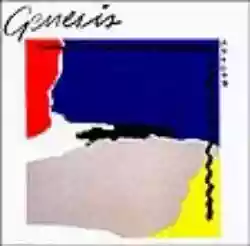
"Abacab", or the point of no return. It is with this work that Banks & co. decide to definitively break with the past, which had still made an appearance in the two previous albums (with excellent results on "Duke"). Aware that progressive rock had already fired its best arrows, at the risk of endlessly repeating themselves and becoming anachronistic, the Genesis focus on innovation by making a precise choice: from now on, their offering will be pop, as original as always and endowed with their innate melodic sense. The choice, it must be noted, was courageous and admirable...what disappoints instead is the compositional quality of the tracks. The title track is not bad as a start, a squared rock song sung with a harsh voice by a Collins who is evidently changing vocal style. The instrumental coda may leave one perplexed, light-years away from the refinements of the past; it will anyway be re-evaluated and reworked for the better in live versions. The following "No reply at all", with marked funky accents, is pleasant in its genre but feels out of place on this record. Vaguely connected to the band's past, but with an updated sound, are "Me and Sarah Jane" (a classic Banksian composition, not among the brightest) and the dramatic and ecological "Dodo", which also boasts the most convincing lyrics. The remaining music is hard to salvage: "Man on the corner" is at least catchy, "Like it or not" and "Another record" are anonymous and colorless. The worst is represented by the obsessive and monotonous "Keep it dark" and "Who dunnit?", perhaps the least successful compositions overall of the three-member formation. Listening to "Abacab" continually reveals a fierce desire to change, to amaze, even at the cost of shocking the listener with previously unthinkable sounds. The lyrics also surprise, deliberately detached and abstract, free of the romanticisms of the past. It is precisely this brazen stance that prevents this album from being completely dismissed, representing, for better or worse, a fundamental stage in the history of Genesis.
Loading comments slowly
Summary by Bot
Genesis' album Abacab marks a decisive departure from their progressive rock roots toward a bold, original pop sound. While the album's innovation and experimentation are commendable, many tracks suffer from weak or monotonous compositions. The vocal style changes and abstract lyrics show the band's desire to challenge listeners, making the album a crucial, if divisive, moment in their history.Tracklist Lyrics Videos
Genesis
English rock band formed in 1967, celebrated for landmark early-1970s progressive albums (Foxtrot, Selling England by the Pound, The Lamb) and a later, more pop-oriented phase led commercially by Phil Collins.116 Reviews
Other reviews
By London
You begin to tolerate it after many listens, but nothing more.
The first result of this experiment is the much maligned and criticized Abacab.
By SysMike
Phil Collins, after the success of 'In the Air Tonight', had killed Genesis by engulfing them in his raucous and pounding sound.
'Abacab' was simply the collapse of a legend. The GENESIS no longer existed.
By Giammotto
Phil Collins was not only the rhythmic soul but the glue holding Genesis together during a time of strong internal tensions.
"Abacab" is a catchy and rocking song with an exceptional 'old school revisited' instrumental coda that highlights the album's blend of synths and rhythm.
By paolofreddie
Weak, feeble, pointless, soulless! Abacab!
Abacab is an album that would have done better to remain in the drawer, a mostly mediocre work, a stab in the music, an album unworthy of the name 'Genesis.'
