
 •
Rating:
•
Rating: THE REVIEW
When Genesis reconvene in the studio in 1980 to work on their new album, many things have changed and are about to change. They are down to three members, something that by now nobody pays attention to anymore, and progressive rock has almost definitively passed into the album of memories. The real novelty from this date onward will be their approach to composition; if in the previous years many pieces were written and tried out before going into the studio, from Abacab onwards, this is no longer the case. In fact, Collins and company enter the studio without anything to work on, not even an idea, everything left to momentary inspiration. The first result of this experiment is the much maligned and criticized Abacab.
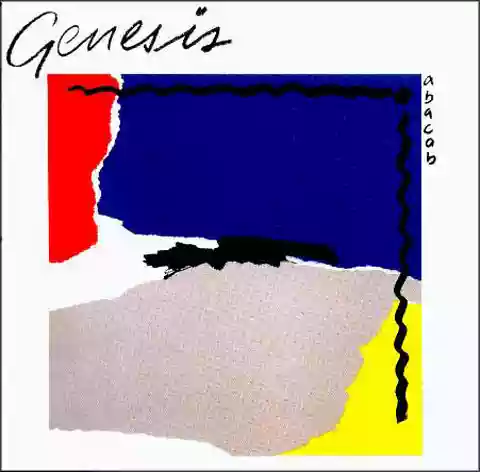
You can start to understand the album from the cover: no more dreamy drawings, just colored blotches (different from country to country) with the band's logo written in black cursive and the album title in lowercase. With this necessary description done, let's move on to the tracks:
Abacab: the album opens with this powerful track suspended between a rock soul, an almost dance-like face, and a long instrumental tail. The curious title derives from the verses, which Banks indicated in their succession and repetition with the letters A, b, A, b, and so on. The track is very engaging, with an enigmatic text and live, it will truly be a bombshell.
No Replay At All: the first painful note of Genesis, horns from Earth, Wind & Fire, a danceable rhythm, one of their worst tracks.
Me And Sarah Jane: a masterpiece by Tony Banks, it's the only track that originates, at least in the text, from a previous idea. The song talks about the strange ideas and images that can crowd a person's mind in a half-asleep state. Sarah Jane in the title is entirely invented, and the music is engaging in its almost reggae progression, Collins' voice interprets it excellently, simply put, the best track on the album.
Keep It Dark: a few guitar chords, a hypnotic and irritating rhythm make this song one of the heaviest tracks on the album.
Dodo/Lurker: a track very close to the sounds of Duke (Behind The Lines, Man Of Our Times..) beautiful, even if the intermezzo part (Lurker) works better live.
Who Dunnit: my God, Banks shoots monophonic notes with the Synth, and Collins sings a ridiculous text: terrible (live it will be performed with a curious skit and booed a bit everywhere).
Man On The Corner: simple pop song by Collins.
Like It Or Not: see above, this time by Rutherford.
Another Record: a banal closure with a song that greatly resembles some soft pieces already done in Duke, like Alone tonight.
What can I say, an album that, in its experimental and breaking-the-mold side, seems incomplete (the real revolution will come only in 1983 with Genesis), you begin to tolerate it after many listens, but nothing more.
Loading comments slowly
Summary by Bot
Genesis' 'Abacab' marks a turning point with its spontaneous studio creation and departure from classic progressive rock. The album mixes engaging tracks like 'Me and Sarah Jane' with less successful efforts such as 'Who Dunnit.' Despite initial criticism, some songs reveal themselves after repeated listens, but the album remains incomplete compared to the band's later works.Tracklist Lyrics Videos
Genesis
English rock band formed in 1967, celebrated for landmark early-1970s progressive albums (Foxtrot, Selling England by the Pound, The Lamb) and a later, more pop-oriented phase led commercially by Phil Collins.116 Reviews
Other reviews
By SysMike
Phil Collins, after the success of 'In the Air Tonight', had killed Genesis by engulfing them in his raucous and pounding sound.
'Abacab' was simply the collapse of a legend. The GENESIS no longer existed.
By paolo1968
"It is with this work that Banks & co. decide to definitively break with the past."
"The lyrics also surprise, deliberately detached and abstract, free of the romanticisms of the past."
By Giammotto
Phil Collins was not only the rhythmic soul but the glue holding Genesis together during a time of strong internal tensions.
"Abacab" is a catchy and rocking song with an exceptional 'old school revisited' instrumental coda that highlights the album's blend of synths and rhythm.
By paolofreddie
Weak, feeble, pointless, soulless! Abacab!
Abacab is an album that would have done better to remain in the drawer, a mostly mediocre work, a stab in the music, an album unworthy of the name 'Genesis.'
