
 •
Rating:
•
Rating:
THE REVIEW
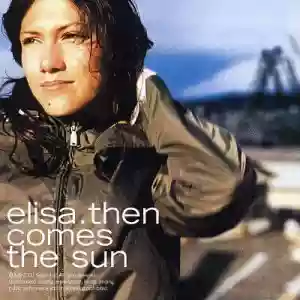
With Then Comes The Sun, Elisa finally establishes herself on the national scene, showcasing her artistic maturity to everyone. She presents an introspective and sophisticated album, a sort of diary where numerous experiences find their place.
Elisa is not afraid of being misunderstood, she is not afraid of breaking conventions by composing songs that are too short. What matters to her is writing about herself. Melancholic thoughts (Dancing, a wonderful soundtrack from the film A Time For Dancing), intimate desires (Fairy Girl), moments of disorientation (A Little Over Zero, already present in another version in Asile's World), but also rhythm (Fever and Time) and positivity (Heaven Out Of Hell).
There isn't a single flaw in this record, there isn't a single ill-chosen track, there isn't a single word out of place.
Overall, a melancholic album, but crossed by the certainty that after... after comes the sun. Ten.
Loading comments slowly
Summary by Bot
Elisa's album 'Then Comes The Sun' marks her rise on the national music scene with an introspective and sophisticated collection of songs. The album explores melancholy, intimacy, and positivity with flawless execution and varied rhythms. It stands as a deeply personal musical diary showcasing her artistic growth. The reviewer praises the album's cohesion, songwriting, and emotional depth.Tracklist Lyrics Videos
Elisa
Elisa (Elisa Toffoli) is an Italian singer-songwriter from Monfalcone (Friuli-Venezia Giulia). She debuted in the late 1990s with English-language pop-rock and later released both English and Italian material; she won the Sanremo Festival in 2001 with "Luce (Tramonti a Nord-Est)".26 Reviews
Other reviews
By Me Myself & I
Then comes the sun… a declaration of a poetics, of a way to react to the world and the darkness of life.
No matter how much rain there may be in our lives, there will come a moment when the sun arrives, a moment when we will be winners, morally.
By marcounali
Then Comes The Sun implies continuity, in the sense that life, one day, even without us, will continue to go on.
You can hear the music with no sounds, you can heal my heart without me knowing.
By desade
"Then Comes the Sun is a more than pleasant album, to be listened to with attention but also to be lived."
"Dancing is a piece of great impact where Elisa’s purely feminine sensitivity bursts out completely."
