
 •
Rating:
•
Rating:
THE REVIEW
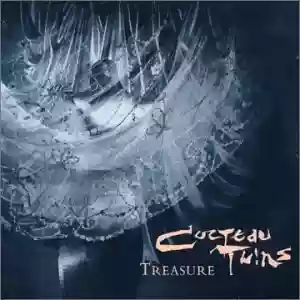
"Treasure" is recognized as one of the fundamental albums of the New Wave.
Dream Pop is its field of action, yet it often transcends it in favor of a total music experience. The dark and gothic influences are evident, and the extraordinary musical richness is perfectly balanced between ethereal moments and others more delightfully "human." There is no encyclopedic ambition; everything that emerges from the album is pure emotion transposed into music. Nothing is truly premeditated; rather, the sounds emerge from the essence of the tracks themselves and from what they aim to express.
It begins with the intense "Ivo", one of the most incisive tracks on the album. Elizabeth Fraser enchants us with her soaring and hypnotic singing, but it’s the sound wave that wraps us that captivates. The acoustic guitar is soon complemented by a true tide of sounds. Bells, echoes, the distant distorted guitar. Thus, we have a sound that is full, exuberant, and lush. All this richness lays on compositions that are nearly perfect. From the start, it is clear that this album is something unique and unrepeatable. From the first listen, we are captivated by the sparkling power of "Treasure", a magic that has rarely been equaled in history.
"Lorelei" accentuates this bewitching magic. A gothic alchemy pervades the air. The sweet singing, the enveloping keyboards, and an original rhythm carve out a sound poem. By the third track, we are already so fulfilled that we ask for nothing more. And yet "Beatrix" arrives, a nocturnal psalm. To the general amazement at the beauty of the tracks, there is also the significant merit of knowing how to vary the theme. Indeed, even as we traverse shadowy meanders, the dreamlike magic remains intact by the third track. We have a blend of dark music and dream pop. Now it's "Persephone’s" turn; a disorienting howl climbs over jagged sounds, there are Nordic echoes, gothic calls, all in a sort of reinterpretation of the early new wave.
After four songs, the variety and beauty are such that you could easily stop and start over. This says a lot about the value of "Treasure".
"Pandora" is one of the most evocative moments; a ballad with a rolling rhythm, pure ecstasy. The dream pop enters our veins and transforms the soul. The execution is perfect; not a single note is out of place. And what about the singing? There are no words to describe the infinite emotions it evokes. "Amelia" continues, excellently, on this path. This time with a more soaring melody and greater pathos, accentuated by the throbbing rhythm. "Aloysius" is an elf song transposed to an icy land. Songs like these are hard to find elsewhere. The greatness of the Cocteau Twins is remarkable, but in this album, there’s something beyond technique or individual abilities. There is a hidden soul that moves among the 10 songs that make up the album. The work of art surpasses the artist, in short.
The atmosphere changes significantly with "Cicely", finding us in a swirling psychedelic journey. There are moments of incredible intensity. Synth and dark merge and something different emerges. "Otterley" is instead a journey into the depths of the ocean. Leaden colors paint the sky. It becomes clear how the Cocteau Twins master multiple styles. "Treasure" is proof of this, the absolute pinnacle of Dream Pop, but also capable of bringing along numerous creative insights.
The religious singing of "Donimo", combined with the vespertine atmospheres, is proof of this. We transcend the simple new wave. We hold a magical vial in our hands. Formal perfection, overflowing content, and an unrepeatable climate make "Treasure" one of the most important albums in rock history and also one of the most enjoyable; even for the casual listener, these songs are stardust.
Loading comments slowly
Summary by Bot
Cocteau Twins' album Treasure is a seminal work in Dream Pop and New Wave, celebrated for its rich, ethereal sound and emotional depth. The review highlights the album's unique blend of dark gothic influences and dazzling musical textures. Tracks like 'Ivo,' 'Lorelei,' and 'Pandora' demonstrate the band's mastery over variation and mood. The album's enchanting atmosphere and perfect execution place it among rock's most important and enjoyable records.Tracklist Lyrics Videos
Cocteau Twins
Cocteau Twins were a Scottish band associated with 4AD, widely credited as key architects of dream pop. Reviews highlight Elizabeth Fraser’s distinctive, often non-lexical vocal style and Robin Guthrie’s reverb-heavy guitar textures, with early work rooted in dark wave/post-punk and later releases becoming more melodic and accessible.24 Reviews
Other reviews
By Cleo
"Every time I close my eyes while listening to 'Treasure', this is what I feel."
"It is very difficult to describe this album truly built on intangible evocations."
By g.unreal
Approaching Treasure with downcast eyes... one wrong glance could shatter it.
You enter the album and lose the opaque layer that covers the inside, our inside.
By CosmicJocker
Esoteric dream-pop irradiates the dust of reality with magical sand; cornucopias filled with silvery harmonies, rippling rhythms, and ringing timbres.
Crystalline and foamy notes crash against the voice of a siren; pagan and lunar warbles that strip words of meaning, bringing them back to a primitive purity.
By Rager99
Treasure is a work that has now lost all those "muscular" remains usually associated with the macro-genre, towards a sound that oozes elegance and femininity from every pore.
Elizabeth Fraser who more than sings seems to "play" the voice, with vocalizations and words that lack regularity and logical connection between them and that almost seem to create a "private language."
