
 •
Rating:
•
Rating:
THE REVIEW
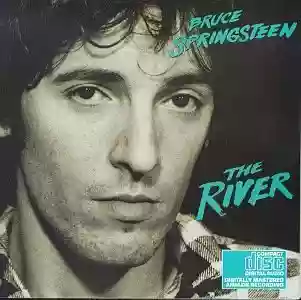
The 1980s between Brighton and London. Neon signs. People with colorful mohawks. I, a boy in the midst of the pop and punk wave, bought, in England, ironically, Springsteen's "The River." On vinyl. I returned with the double LP. The songs struck me with great force. A nostalgic and melancholic force. To this day, it remains my favorite Springsteen album. Talking about it moves me because it has kept me company for a good part of my life. It happens, now and then, with an album that is dear to us. An album that, arriving at the right moment, becomes the soundtrack of one's existence. It's not rhetoric, my talk, if you think, especially if you've passed your thirties, how many times listening again to a song from your youth, suddenly, old emotions resurface. Here, I found quite a few things I was looking for during that period of my life. This album talks about sex, marriage, lost loves, economic crisis, father-son relationships, death... I was (and am) inclined to identify with those stories that no longer belong to idealized figures, but to the everyday hero. To the man.
Nineteen songs, clear and catchy. Songs that will forever remain in my DNA. "The River," to start with, which Bruce considers his best song. It’s a bitter folk ballad, introduced by a piercing harmonica solo, that talks about life's harshness, through the story of two young people. A story of teenagers who meet and fall in love. A pregnancy in their youth and the consequent forced marriage sweep away the romance and innocence. Only a walk by the river brings back the sweet memories of adolescence. But life continues like a freight train. He loses his job, and the love fades. And only down by the river, the man remembers the lost love. A common story masterfully narrated and with a melody that will forever remain in the soul of those who have listened to it. Then there is "Point Blank." Resentment for the end of a love relationship. One of Springsteen's most beautiful ballads. Mighty, substantial, with a sumptuous flow. The stunning and heartrending "Drive All Night" and "Wreck On The Highway," the latter about the meaning of life, resting beside one's woman after witnessing a fatal accident. They counterbalance more typically rock 'n' roll songs, bright and exciting live like "Hungry Heart," written for the Ramones. "Out In The Street," about work and the desire to escape, "Cadillac Ranch," pure rock with a great impact, an anthem to cars, racing, and fun. You Can Look and Ramrod, live enduring songs. And Two Hearts, a positive and sunny rock. A special mention goes to Independence Day. It’s a speech Springsteen makes to his father. As the title suggests, it describes the son's separation day from the father. That is, “independence” from the father. A son becoming an adult worries about the father becoming old. Bruce chooses the words to say to the father with absolute delicacy. A very bitter and definitive day, those who have already experienced it can understand. But in the end, the great affection the singer has for the father emerges: So say goodbye, it’s the Independence Day. Dad, now I understand the things you wanted to say and couldn't.
With this album, Springsteen closed the splendid trilogy that began with Born To Run and continued with Darkness On The Edge Of Town. His unparalleled creative peak.
Loading comments slowly
Summary by Bot
This passionate review highlights Bruce Springsteen’s The River as a deeply moving album that blends rock and folk with stories of everyday life. The reviewer reflects on its lasting impact from youth to adulthood, praising its powerful themes—love, loss, family, and hardship. Key tracks like ‘The River,’ ‘Point Blank,’ and ‘Independence Day’ are noted for their emotional depth and storytelling brilliance. The album is recognized as a creative high point in Springsteen’s career.Tracklist Lyrics Videos
Bruce Springsteen
Bruce Springsteen (born 1949 in Freehold, New Jersey) is an American singer-songwriter and bandleader best known for his work with the E Street Band. His career spans from the 1960s/1970s to the present, with landmark albums such as Born to Run, Darkness on the Edge of Town, Nebraska and Born in the U.S.A.90 Reviews
Other reviews
By VU
The Boss, 5 years after his first masterpiece Born To Run, has created his definitive masterpiece and one of the most beautiful CDs in rock history.
This is probably Bruce’s album that is closest to his live performances.
By Luck94
The River is a very reflective album, indeed the first disc starts with The Ties That Blind, a beautiful track that was originally supposed to give the album its title.
Ultimately, The River is probably the Boss’s best work ever, the sum of his abilities and the genres he traversed.
By francescopisani
"The River is the bitter tale of millions of American lives, and not only."
"The album perfectly combines the clean rock sound of Darkness with the wild street epic of Born To Run."
