
 •
Rating:
•
Rating:
THE REVIEW
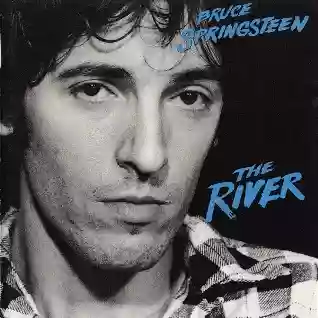
It's 1980. Springsteen is now considered a hero of the American working class, the Reagan-era '80s was about to emerge after Carter's term ended, and during this time in America, chart pop dominated almost exclusively. Springsteen is in a particularly prolific moment and decides to take the gamble not attempted in "Darkness On The Edge Of Town," namely to release a double album. The result of this daring experiment is "The River."
The album perfectly combines the clean rock sound of "Darkness" with the wild street epic of "Born To Run." The lyrics are all in the first person, where Springsteen manages to immerse himself perfectly in the life of each of his characters. This time, the themes are more varied: love, nostalgia, memory, celebration, hope. Everything is imbued with a melancholic and on-the-road atmosphere, as if it were a journey with a beginning and an end, which is why the record can be considered a sort of concept album.
"The River" is full of symbols and elements of American culture: the river, the road, the Cadillac, the East Coast beaches, the bar, the highway. The work opens with the powerful and fast rock of "The Ties That Bind": existential reflection between the need to live in a community and the need to be alone. "Sherry Darling" has a festive seaside trip atmosphere formed by Bittan's piano, hand claps, background voices, and Clemons' usual cheerful sax. "Jackson Cage" is a dramatic portrait on the theme of those condemned to life imprisonment, supported by a western film organ and an atmosphere that screams freedom and life. "Two Hearts" is a short, wild rock and roll track with erotic and amorous hues. "Independence Day" is tinged with nostalgia and the difficult father-son relationship (an autobiographical element). The arrival of the long-dreamed independence and the farewell to parents is a farewell to a father who is dying. The cycle of parents-children-parents-children is a wheel that turns and can never stop (emblematic is the verse describing the empty house and deserted city). The piece has a twilight and bitter tone thanks to Federici's delicate organ and the gaps filled by Bittan's piano notes. Clemons' sax emerges to fill the heart of a crying son or father. Once again, the element of the lonely road returns, this time not a conduit of freedom, but an obligatory destination to be taken so as not to remain anchored to the past and be destroyed by pain. "Hungry Heart" is a serenade halfway between soul with gospel choirs and rhythm and blues, capable of evoking the feeling of anger and frustration of an entire generation of young people constantly living with an angry heart. "Out In The Street" is a rock song shouted at the top of your lungs and exudes freedom from every pore, it’s not a rebellious freedom against the rules, but in the joy of being able to go out on the street, hold hands, or just look into each other's eyes and be free from work clothes (melancholic portrait of a simple era that will never return). The track seems to have come out of "American Graffiti" and the protagonist seems to be one of the actors of Lucas' movie.
The entire album is actually a tribute to the adolescent times of Springsteen in the 1950s and '60s America. "Got A Crush On You" is a rock and roll track in a wild shouter style full of references (Rockefeller, Hong Kong, Venus de Milo). "You Can Look (But You Better Not Touch)" is another twisted number and seems to be a tribute to Chuck Berry. "I Wanna Marry You" is a melancholic and sentimental serenade accompanied by a country organ. "The River" is probably the emblem of the whole album: the piece is a bitter parable of American life divided between love and pain. The river is a symbol of rebirth, but there can be no rebirth if the river is dry. The song includes all the symbolic elements of America: the valley, the river, the town, the worker. The song tells the life of a young couple undermined by the economic situation, which destroys their personal relationship as well as their social status. The youngster decides to cross the river anyway, knowing he can't make it, yet wanting to cling to the hope of the American dream, but his is more a desperate attempt to stay alive. "The River" is the bitter tale of millions of American lives, and not only. Lives destroyed by a ruthless machine that has no room for feelings or pity. It is among Springsteen's bitterest and most nihilistic tracks. The initial harmonica is a suffocated scream in the plain, a scream of hope about to die out. The piano notes seem to accompany the tears of the young, and the church organ along with the final choirs make the atmosphere sadder and like a requiem.
The second disc opens with the melancholic soul of "Point Black": a bitter reflection on innocence that faced life too soon. The track maintains a slow rhythm accompanied by Bittan's jazzy piano. The atmosphere is chamber music-like, closed, claustrophobic (fueled by the distorted organ sound), from a nighttime bar, and Springsteen's voice is whispered and spoken in a dizzying crescendo. "Cadillac Ranch" returns to the primal and rockabilly meanderings of pure provincial rock and roll. The track highlights the myth of the American Cadillac: a '50s classic. Not surprisingly, the track also contains many references to American myths of the period: James Dean, Junior Johnson, Burt Reynolds. "I'm A Rocker" is an anthem of the frontman's icon, à la Elvis, always loved by Springsteen. The epileptic rhythm of the song combined with the choirs and the Boss's shouted voice transforms the piece into a breath-taking rock and roll number. "Fade Away" is among the most nostalgic and melancholic tracks on the album. The organ creates a desert-like backdrop where Springsteen's warm and stunned voice emerges. The song tells of a love story that ended and the impossibility of finding meaning in one's life. "Stolen Car" is a track about the losers and outcasts, marginalized by a society that doesn't understand them. The protagonist of "Stolen Car" is driven by his solitude to car thefts, hoping to get caught, but fearing only to vanish into nothingness. Essentially, he wants to get arrested just to prove he exists. The dramatic and psychological piece is linked to the failure of a marriage. The music is slow, almost absent, capable of creating a spectral and foggy climate. "Ramrod" is a slowed-down rockabilly with a juke box organ, Clemons' sax, hand claps, and party rock choirs. "The Price You Pay" is the biblical track of the album, with a frontier rhythm and a choral singing. Springsteen recalls the myth of the prophets to narrate how the promised land cannot be reached on earth due to the price we have to pay, that is, our sins. The track is undoubtedly among the most pessimistic of the album and connects with the themes touched in the title track. "Drive All Night" is a slow journey into the existential void of modern life, consternated with brief beats and few piano notes. Springsteen's voice is distressed, suffocated, and deliberately choked on the higher notes. Suddenly the angelic notes of Federici's xylophone emerge, capable of making the path less bitter, as Clemons' sax emerges in the dark of night creating a serenade for lonely hearts. "Wreck on the Highway" is the track that concludes "The River," and the melancholic sound seems to want to complete the journey. The song is supported by an organ and acoustic guitar. The lyrics describe a man who witnesses a fatal highway accident, who, thinking back to the episode during the night, decides to embrace his wife, reflecting on how short life is and how the good we possess can disappear at any moment. "The River" will be released in October 1980 and will be Springsteen's first album to reach number one in America, solidifying his place among the best American songwriters of all time.
RATING: 9
Loading comments slowly
Summary by Bot
Released in 1980, Bruce Springsteen's The River is a daring double album capturing the spirit of American working-class life. Combining rock energy with deep, first-person storytelling, it explores themes of love, loss, hope, and nostalgia. The album stands out as a concept piece filled with symbolic elements of American culture and remains a milestone in Springsteen's career as one of America's greatest songwriters.Tracklist Lyrics Videos
Bruce Springsteen
Bruce Springsteen (born 1949 in Freehold, New Jersey) is an American singer-songwriter and bandleader best known for his work with the E Street Band. His career spans from the 1960s/1970s to the present, with landmark albums such as Born to Run, Darkness on the Edge of Town, Nebraska and Born in the U.S.A.90 Reviews
Other reviews
By Massimof
To this day, it remains my favorite Springsteen album.
An album that, arriving at the right moment, becomes the soundtrack of one’s existence.
By VU
The Boss, 5 years after his first masterpiece Born To Run, has created his definitive masterpiece and one of the most beautiful CDs in rock history.
This is probably Bruce’s album that is closest to his live performances.
By Luck94
The River is a very reflective album, indeed the first disc starts with The Ties That Blind, a beautiful track that was originally supposed to give the album its title.
Ultimately, The River is probably the Boss’s best work ever, the sum of his abilities and the genres he traversed.
