
 •
Rating:
•
Rating:
THE REVIEW
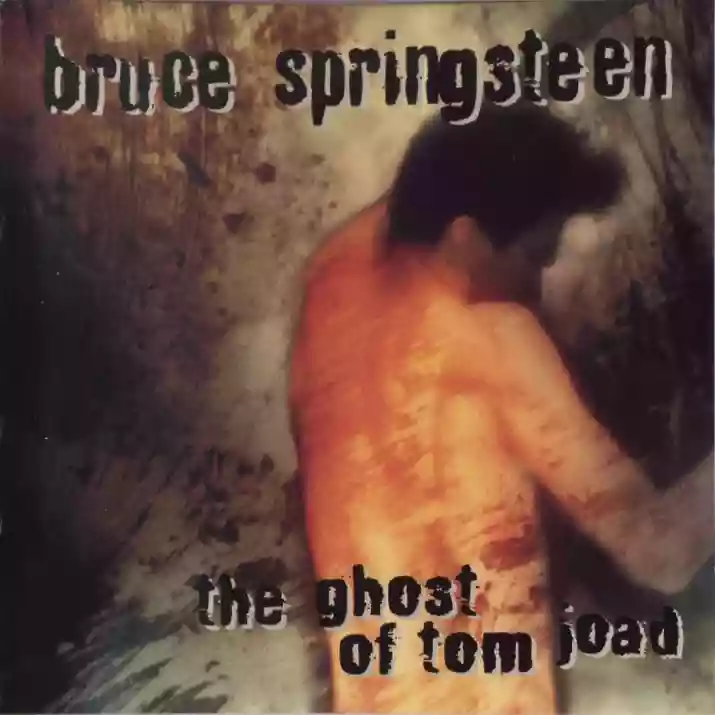
Anyone who has read the beautiful novel by John Steinbeck, translated here as "The Grapes of Wrath", a milestone of American literature, has lost track of the ghost of Tom Joad in the 1930s, during the Great Depression. He disappeared while wandering—whether dead or alive, nobody knows—around one of the dismal caravan camps where the unfortunate Americans of the time, "Okies" from Oklahoma and other lands made barren by intensive farming, crowded together desperately searching for slave-like work just to survive in the Promised Land of California. The slightly more hot-headed ones, like our Tom Joad, ended up in the crosshairs of the police at the first brawl, especially if the cause was the legitimate and righteous defense against the oppressors' abuses. In this way, they even lost the hope of being hired as pickers of peaches, cotton, or any other produce, becoming true living ghosts.
In 1995, in full Clintonian Optimism, Bruce Springsteen threw a significant stone into the pond of an America numbed by its presumed prosperity, singing that the ghost of Tom Joad, after more than sixty years, still hadn't found peace, but lingered around today's camps alongside the highways, where "families sleep in their cars in the Southwest... no home, no job, no peace, no rest". To better deliver this warning, he returned to the musical roots of his land, embracing the spare and essential country style that had previously produced the excellent "Nebraska," but adding here and there some dark bass tones or spectral keyboard effects, which, in the most successful tracks, give a concrete sense of the described tragedy, that of the America that doesn't exist, that doesn't appear in statistics. What emerged is not one of the Boss's masterpieces, but it deserves attention and respect if only for the courage to tackle unpopular topics and the stubborn opposition to the trends of the time, which are the same as today.
The ballads that also catch the ear aren't many and are mostly concentrated at the beginning: The Ghost Of Tom Joad is spine-chilling regardless of the lyrics, Youngstown is composed of power and fire like "Jenny," the now-closed foundry that is the true protagonist, Straight Time and Highway 29 have more subdued tones that contrast with the harsh tales of the desperate protagonists, one just released from prison and forced to stay straight, the other fleeing to Mexico after a robbery.
The border, a cursed and elusive line that hinders the longed-for freedom or happiness, is a recurring theme. Beautiful Mexican Louisa crosses it with the complicity of the border policeman in The Line, who is in love with her. The poor dreamer in the splendid Across The Line imagines crossing it in the opposite direction, glimpsing his happiness beyond, in the muddy waters of the Rio Bravo.
If the music at times tends to flatten into somewhat standard country, the stories meanwhile remain compelling, the characters are tragic Tom Joads with terribly real contours. In "The Ghost Of Tom Joad," Springsteen reserves the most significant words exactly for him, for Tom: "Mom, wherever there's a cop beating a guy, wherever a hungry newborn baby cries, where there's a fight against the blood and the hate in the air, look for me mom, I'll be there. Wherever somebody's fighting for a place to stand or a decent job or a helping hand, wherever somebody's struggling to
Loading comments slowly
Summary by Bot
Bruce Springsteen's 1995 album, The Ghost of Tom Joad, revisits the haunting legacy of the Great Depression and America's marginalized communities. Using sparse country roots blended with dark tonal effects, Springsteen delivers compelling narratives of struggle and hope. Though not among his masterpieces, the album stands out for its courage in addressing uncomfortable social realities. Its vivid ballads and themes of borders, oppression, and survival resonate with timeless relevance.Tracklist Lyrics Videos
Bruce Springsteen
Bruce Springsteen (born 1949 in Freehold, New Jersey) is an American singer-songwriter and bandleader best known for his work with the E Street Band. His career spans from the 1960s/1970s to the present, with landmark albums such as Born to Run, Darkness on the Edge of Town, Nebraska and Born in the U.S.A.90 Reviews
Other reviews
By carmineman
With The Ghost of Tom Joad, the demonstration/redemption was solely for himself and those who believed over time in his natural artistic honesty.
The delicate arpeggios, the violin, the pedal steel guitar, the harmonica, and Bruce’s voice, as beautiful and warm as ever, do the rest.
By theacrobat
A weaponless avenging angel, the spirit of Tom Joad mournfully watches over the wanderers crowding the highways, without home, without work, without peace and without hope.
A story no one likes to hear, because there is no happy ending.
