
 •
Versione 1
Rating:
•
Versione 1
Rating: THE REVIEW
01-Kenya 02-Turkey 03-Japan 04-Cuba 05-USA 06-Argentina 07-Nigeria 08-Portugal 09-Ireland 10-Russia 11-Bhutan 12-Australia 13-India
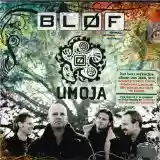
No, I'm not talking about Expo pavilions but about an intriguing and interesting project by a Dutch band with a name that, in our language, sounds rather odd: BLØF. A classic quartet of vocals-guitar-bass-drums, with the singer also handling keyboards, active since the mid-90s, well-established in their homeland, melodic pop-rock sounds. The proposal itself wouldn’t particularly fit my tastes and doesn't fall within the areas I'm most knowledgeable about, but this 2006 album, the most unique yet also the greatest success of their career, stands apart. With ups and downs, good intentions and not always thrilling outcomes, “Umoja” is undeniably a demonstration of creativity and character, and a valid point of exploration.
It seems there always was an “international” component to BLØF's music, and with this album, they've decided to fully exploit this prerogative, orchestrating a kind of world tour in thirteen songs. These lucky ones actually went around the world, spending the three years prior to this album's release traveling across all five continents and writing songs in collaboration with local artists, then assembling everything together. No Tower of Babel though, “Umoja” is a very radio-friendly pop-rock album with generally calm rhythms, generally good quality and with excellent peaks, “accompanied” from time to time by various ethnic “sides”; the main language is obviously Dutch which, I must say, of all those I've had the chance to listen to is by far the least musical, full of aspirates and hard sounds.
Talent and melodic taste are certainly not lacking in these four Dutchmen, and singer Paskal Jakobsen can boast a beautiful timbre, pleasantly baritone, warm and expressive; these good qualities are best expressed in “Wennen Aan September”, the American episode, in collaboration with the Counting Crows: a grand ballad, intense and theatrical just the right amount, with a perfect chorus. A great song, the type that manages to convey positive and exhilarating feelings starting from a melancholic base, and that reiterates another characteristic trait of “Umoja”, that the best is undoubtedly found in the “slow” tracks, among which also stand out the Cuban “Hemingway”, with its classic and timeless charming Latin and acoustic sounds, the Portuguese “Herinnering Aan Later”, a twilight fado dominated by the alluring voice of guest Cristina Branco, and right at the end, the Indian “Eèn En Allen”, marked by the unmistakable smooth and sensual rhythm of the tablas, with flutes and sitar weaving a liquid and relaxing texture, a nice final touch that, more than any other episode, approaches a classical connotation of world music.
The two “African” episodes add some liveliness, “Binnenstebuiten” (Kenya), achieves this by offering airy electronic sounds accompanied by Maasai choirs and percussion; it turns out to be a very pleasant and captivating midtempo, with excellent impact and choral spirit, while “Laag Bij De Grond” (Nigeria) focuses on energetic funk rock with bass and sax dominating the scene. Two iconic aspects of the Continent’s music skillfully represented and reimagined, but I would say that the positives end here: not that they are few, half of the album is of excellent level, and there are also two other fine ballads, “Geen Tango” (Argentina) and “Aanzoerk Zonder Ringen” (Japan), which however make the overall work a bit too sugary, but other episodes truly give the idea of a frame without a picture. Uillean Pipes, Didgeridoos, symphonic inserts, and Bhutanese monk choirs in songs lacking ideas and enthusiasm don’t make a difference, in fact, they further highlight the limits of the foreign context in which they are inserted; Ireland, Australia, Russia, and Bhutan thus represent the weak side of the album, in which I would also include the Turkish “Mens”.
In this last case, however, I can't say how reliable my opinion is, “Mens” is the most spirited episode of the album, an arena-rock anthem that sounds forced and bloated to me, but the genre is clearly foreign to my usual listening and perhaps those more accustomed to it will see it differently, and in any case if it weren't for this song, I would never have discovered this album. “Mens” is enhanced by the participation of multi-instrumentalist Omar Faruk Tekbilek, known thanks to the VAS; one listen leading to another, from which more paths can branch off; beautiful, isn't it? To think that most of the music I know I discovered just like that. Closing parenthesis, I would say that “Umoja” is undoubtedly a good album, somewhere between three and four stars; but come on, let's round up, I’d say they've earned it.
Loading comments slowly
Summary by Bot
BLØF's 2006 album Umoja is a creative pop-rock project that explores global sounds through collaborations across continents. While some tracks feel less inspired, the album excels in its melodic slow songs and world music elements. Standouts include the American ballad with Counting Crows and lively African tracks. Umoja balances radio-friendly appeal with artistic ambition, marking a high point in the band's career.Tracklist Lyrics
BLØF
BLØF is a Dutch pop-rock band formed in 1992 in Vlissingen, known for melodic, Dutch-language songs and successful albums such as Blauwe ruis and the internationally collaborative Umoja (2006).01 Reviews
