
 •
Rating:
•
Rating:
THE REVIEW
Afterhours. Those who started by releasing albums in English that delighted Alternative Press and caught the attention of Geffen. Then came Arezzo Wave and the cover of “Mio fratello è figlio unico” by Rino Gaetano, and the less surreal and distorted covers of “La canzone di Marinella” by De Andrè and “La canzone popolare” by Fossati (an artist highly appreciated by Manuel Agnelli). The first successes, in any case, did not break the band out of their underground dimension, until the group decided to switch to their native language for the textual aspect of their work and to a sound that skillfully mixes the most graceless and jagged noise-rock with grunge of Nirvana-like pathos, combining it all with a distinctly Italian melodic sensibility and a sharp irony that materializes in lyrics constructed according to the schizoid and surreal logic of the Burroughsian cut-up.
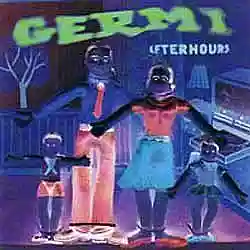
"Germi" is their first album in Italian and the first in a long series of small masterpieces (the highest point of which is undoubtedly the acclaimed “Hai paura del buio?” from '97). A series, in my humble opinion, unbroken to this day. Between perdition and redemption, hatred and a deep desire for love, the album easily mixes private and generational themes, using a quite varied and decidedly intriguing range of sounds: hence, we find satirical and caustically ironic numbers like “Siete proprio dei pulcini”, a delirious tirade aimed at the “fashionable alternatives” (“dite che vi va di creare, siete proprio dei pulcini che a me va di mangiare”
) shouted and sharp with the scent of feedback and scorching riffs, and the no less odd “Giovane coglione”, decidedly more oblique in its polemic and quieter in its sounds, comparable to the lo-fi folk of the early '90s. On other occasions, the band chooses to retreat into deeper and more personal topics, the sounds soften a bit and embrace suggestive melodic lines, the masterpiece of this aspect of their art is “Dentro Marilyn”, a sweet and painful love song with a highly poetic text (“e l’anima brucia più di quanto illumini, ma è un addestramento mentre m’accorgo che so respirare”
) accompanied by the remarkable and musically similar “Plastilina”, not to mention the poignant and beautiful “Strategie”, another of their peaks. “Vieni dentro” gives vent to their visceral and morbidly Luciferian soul, while the two instrumental numbers, “Ho tutto in testa ma non riesco a dirlo”, a noise-rock piece that twists around itself becoming increasingly frantic, and “Porno quando non sei intorno”, a sort of sound painting for acoustic guitar scarred by agonizing distant feedback, offer a creative and interesting “break.”
Xabier Iriondo's eclectic guitar work proves fundamental to the album's success, and together with Manuel Agnelli's versatile voice infuses vital energy into all the album's tracks. The album is a kind of germ that it is impossible to forbid from reproducing in the mind of those who listen to it, a virus you will be happy to be infected by.
“E puoi non assaggiare per veder se il gusto se ne va…”
(Strategie)
Loading comments slowly
Summary by Bot
Afterhours' album Germi marks their first effort in Italian, blending noise-rock and grunge influences with a unique Italian melodic sensibility. The album balances irony, poetic lyrics, and a diverse sound palette. Key tracks like "Siete proprio dei pulcini" and "Dentro Marilyn" showcase the band's range from biting satire to tender introspection. Guitarist Xabier Iriondo and vocalist Manuel Agnelli play pivotal roles in making the album a memorable and infectious experience.Tracklist Lyrics Videos
Afterhours
Afterhours is an Italian alternative rock band from Milan led by Manuel Agnelli, active since the mid-1980s and widely cited as influential in the Italian indie/alternative scene.52 Reviews
Other reviews
By nadir
Germi shifts the boundaries of new Italian music with an album that is not Italian at all.
The result is the greatest Italian rock album of all time, an absolute paradigm for future generations.
By lucarandi80
When I think of this album, the first image that comes to mind is Agnelli harming someone just for the pleasure of doing it.
This is rock in its purest form.
By DDQ
Afterhours can be considered, without remorse, one of the best rock bands in Italian music history.
Music and lyrics manage to almost perfectly alternate moments of wild rock fury with ethereal ballads that are venomous, acidic, never mellifluous or affected.
