
 •
Rating:
•
Rating:
THE REVIEW
World Party, or what to do if you're interested in producing your music, achieving the right amount of success, and not becoming a major star in the pop-rock world, even though you have all the potential.
Professional musicians from various backgrounds endowed with self-respect, a high regard for their talent, who do not have a burdensome mortgage weighing them down, substantial alimony to pay, or just excessive greed, can certainly learn from the exemplary path of the Welsh artist to glean valuable insights. The recipe of Karl Wallinger, a one-man-band, consists of a few points and is of disarming, crystalline simplicity.
Firstly, it's crucial, when conditions allow, to leave the band you are part of, even at the pivotal moment, to follow your inspiration, your path, even if material interests suggest otherwise. This happens to Karl twice: first, he decides not to go with his first band to London, the unknown Quasimodo, who shortly after became the acclaimed The Alarm; then he also leaves The Waterboys (this name should ring a bell not only to the apologists of the '80s), keeping good relations with the leader Mike Scott, after the excellent "This Is The Sea" but before the "big bang," which would happen three years later with "Fisherman's Blues," an album undoubtedly among the best of the decade.
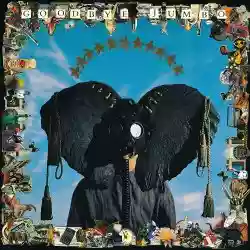
It's also important to be opposed to being boxed into a genre, to stubbornly seek your own style, to mix a little bit of blues, rock, pop, folk in almost equal doses; to make music that's "easy," but not too appealing to the so-called chart crowd, nor to the sophisticated "Parisians" with ears only for niche groups or avant-garde oddities. It doesn't hurt to know how to play a bit of everything, to be almost self-sufficient in the recording studio, and not to rely on trendy producers, console wizards who promise wonders but often only end up making you lose face. It is also useful to have little or no concern for image, for marketing strategies, to present yourself as who you are, an artist, and not alter the perception of yourself and reality just because you have an album in the charts or a few music videos playing on MTV (which, by the way, are beautiful for World Party). If you also possess a thoughtful mind, environmental sensitivity, writing skills, and your bookshelves have books not just for the person cleaning the dust to despair, then the puzzle is truly complete. "Goodbye Jumbo", the second and most successful work of Wallinger, is the best expression of all this, of how it is possible to coexist with your aspirations, your musical beliefs with a moderate commercial success; of how goals can be achieved without compromising or making deals with the devil.
The album, with Sinead O'Connor also participating as a backing vocalist, who thanks to our friend's contribution will publish her debut, is one of the best sequences of pop songs of those years. The blues of "Is It Too Late" which marries wonderfully with the drum machine; the almost Rolling Stones-like "Way Down Now"; the beach boy choirs that add a touch of class in "Put The Message In The Box"; the intimate, Beatles with gospel "God On My Side"; the Welsh roots folk protagonist, along with the voice of his friend Sinead, in "Sweet Soul Dream". It closes with what might be the best of the lot, "Thank You World" where another of Wallinger's loves is clearly revealed: soul and the more general black music.
Karl unfortunately had a rough time recently. Not long ago, an aneurysm almost took him away, leaving him in bad shape. Fortunately, the worst has passed, and he seems to have almost fully recovered. Just these days, a new version with a DVD of his fifth and last album from 2000, "Dumbing Up," has been released.
Let's give him a chance, let's make sure the little elephant flies again.
Loading comments slowly
Summary by Bot
Goodbye Jumbo by World Party exemplifies Karl Wallinger's commitment to artistic integrity and moderate commercial success. The album blends blues, rock, pop, and folk with self-sufficient production and features collaborations with Sinead O'Connor. Wallinger's career path reflects a thoughtful balance between personal values and creativity, avoiding the mainstream spotlight yet producing timeless music. This album stands out as a sophisticated and accessible pop-rock record from the early 90s.Tracklist Lyrics Videos
World Party
World Party is the music project led by Welsh musician Karl Wallinger, known for a one-man-band approach blending pop, rock and folk. Formed in 1986, Wallinger writes and records much of the material himself.01 Reviews
