
 •
Rating:
•
Rating:
THE REVIEW
A slow broom caressed by clouds, content with deserts. A dreamed and re-dreamed homeland in exile.
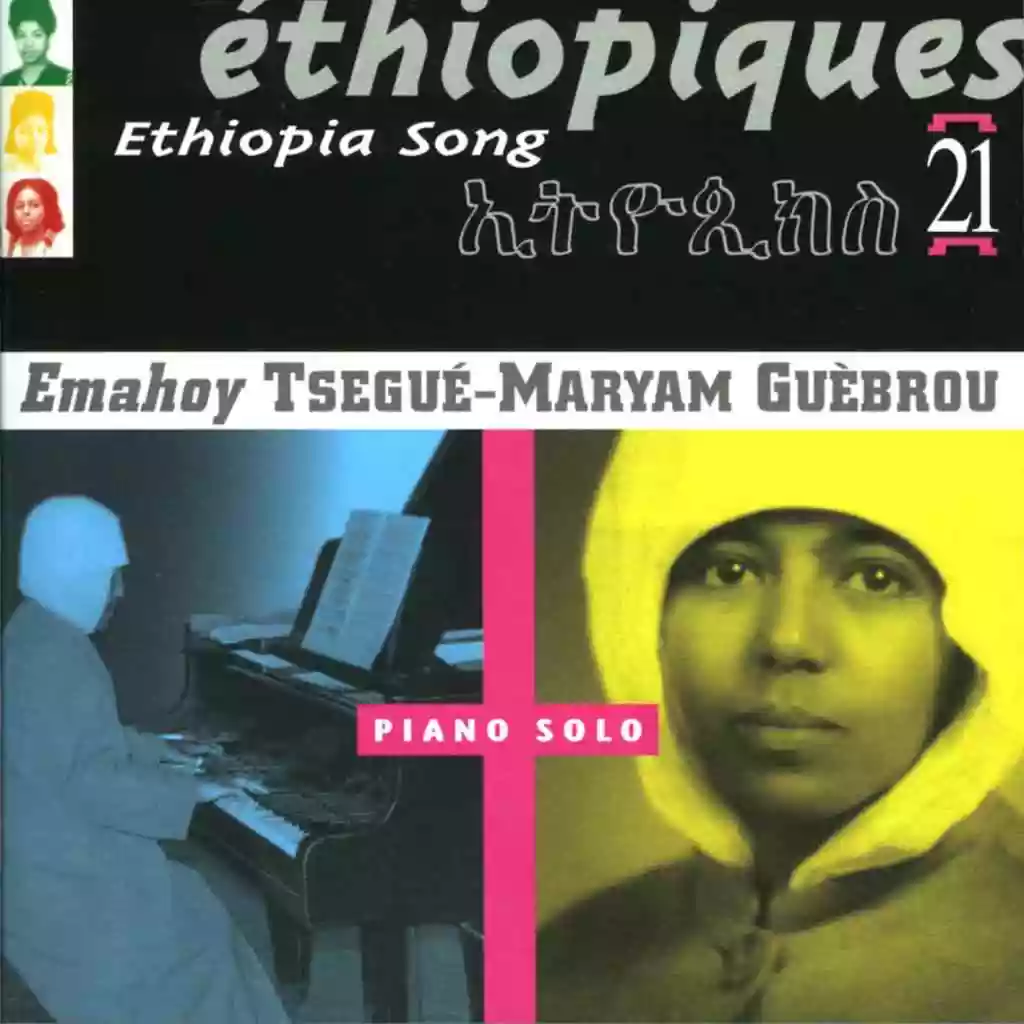
An Ethiopian girl from a good family, Yewubdar (the most beautiful) Gebru, lets her eyes wander over the barren and rugged landscape of the island of Asinara, where, without her being able to even vaguely imagine why, colonial Italy has exiled her entire family. It is 1937. Brutality, of course, is not lacking: some members of her family will die during those years of imprisonment. But I imagine her daydreaming, Yewubdar, gazing from afar at the donkeys in the golden midday light. She thinks back to her home in Addis Ababa, to the little lost things. Childhood memories are now like faded postcards in her small hands. Many years later, it will be those very fingers that remember the painful separation, in compositions exuding nostalgia.
As befits a girl from a good family who entertains guests with Chopin’s Nocturnes, Yewubdar will, after the war, learn to play from a Polish Jewish pianist. She will learn to communicate, however, with her fingers on the black and white keys and little by little, discreetly, bare her heart, as if to say to everyone: here, this is my ardent, inner soul — she will learn to do this, of course, but it will take years of solfeggio and solitude. Cloistered solitudes, in monasteries on the mountains of Ethiopia, because in the meantime Yewubdar has taken her vows and changed her name to Tsegué-Maryam. Years later, to Tsegué-Maryam Gebru will be added the honorary title Emahoy, mother.
But her wandering heart is not content to put down roots and make tiny April flowers bloom from her fingers between a psalm and a whisper of wind between the bars of a small window. Wandering and without an earthly home, she is the pianist nun of Addis Ababa. Emahoy will end her days, almost a centenarian, in Jerusalem. In the meantime, she will record a handful of compositions that (I can’t find any less worn-out words, forgive me) reach sublime heights of an unassuming familiarity and a depth seldom touched by rays of light.
A strange blues becomes candle smoke, a faint lopsided harmony meets the music of the German Romantics. Like a sincere confession, her obsessions are memory, the lashing wind, death. Time, it seems, does not undermine her serene strength. And words, trying to describe the play of fingers of this saintly Ethiopian Schubert, in the end surrender to silence.
Loading comments slowly
Summary by Bot
The review praises Tsegué-Maryam Guebrou's 'Ethiopiques Vol. 21: Emahoy (Piano Solo)' for its soulful, evocative piano pieces that blend jazz with Ethiopian musical traditions. The album is hailed as a spiritual and cultural masterpiece, reflecting deep emotion and unique artistry. The reviewer highlights the timeless quality of Guebrou's compositions and their meditative effect. Overall, the album is recommended as an essential listen for lovers of instrumental and world music.
Tsegué-Maryam Guebrou
Ethiopian pianist-composer and Ethiopian Orthodox nun (born 1923, Addis Ababa; died 2023, Jerusalem). Known for intimate solo piano works blending classical forms with Ethiopian modes, collected on Ethiopiques, vol. 21.01 Reviews
