
 •
Rating:
•
Rating:
THE REVIEW
What factors determine the skill of a band? Technical prowess and good songs are certainly not enough… and Tristania seem to have understood this; in fact, they are one of the greatest bands of the genre, if not the most important one, because they have never missed a beat, nor have they ever stooped to cheap commercial operations, making originality and the desire to experiment their creed, while not distorting the trademark they have created over the years.
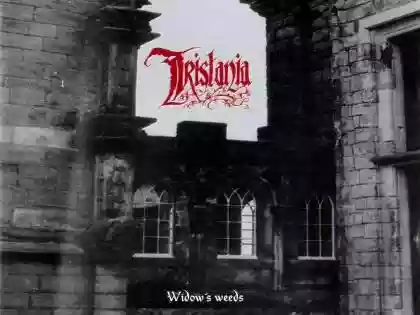
Starting in 1997 with the self-titled EP, they released "Widow's Weeds" in 1998, a true Gothic-romantic novel set to music that speaks of love and death, conveying all the pain and melancholy that emanate from the broken heart of a lover faced with the death of his beloved. The sensations that such an album can convey are impossible to describe in words... Morten Veland's profound lyrics are of the same mold as those of Theatre Of Tragedy (written in old English) but much deeper, sadder, and more melancholic, elevating Tristania's lyrics to a poetic dimension (despite all the refinement and sophistication of their words, Theatre Of Tragedy's lyrics never reached such levels of emotion—maintaining rather theatrical tones, sometimes difficult to understand—except in the beautiful lyrics of "Hollow-Hearted, Heart-Departed" and a few other songs). His growl then interprets them, reaching the height of expressiveness.
"Widow's Weeds" was also the consecration of the most beautiful soprano voice ever heard in a metal band. It belongs to Vibeke Stene. Far removed from the singsong and sugary tones of Liv Kristine (to whom the compatriot and equally talented Anita Auglend of The Sins Of Thy Beloved, the band completing this fantastic triad, is much closer), she disturbs the listener's soul from the very first notes of the intro. Her voice appears infrequently, but it does so in the best ways possible, and together with the keyboards, it can captivate the listener, leading them to the loneliest places of a forlorn, distant ancient medieval city, to the inside of a Gothic cathedral where one is surrounded by Gregorian chants, to the riverbank, to a cemetery, to the walls of a castle during a magnificent sunset, to sinister places haunted by spirits. The orchestrations are never overwhelming or intrusive (very often we find violin inserts—by Pete Johansen—that only embellish everything, giving it a more romantic touch), but they emphasize the melancholy created by the guitars (still influenced by doom, but at times they take on death connotations). Despite not benefiting from good production (but this detail—thanks to the elements above—is more than irrelevant), that album is and will forever be the Bible of Gothic Metal (Theatre Of Tragedy will have nothing more to offer after, thanks to their lessons, Tristania surpassed them at once).
In any case, this comparison between the two bands is not meant to be a criticism at all (impossible to make…) of Theatre Of Tragedy, who, with their first two albums, wrote part of the history of this genre, making it glorious and paving the way for "daughter" bands, but rather a comparison on the level of emotional feedback.
Loading comments slowly
Summary by Bot
Tristania's 1998 album Widow's Weeds is hailed as a Gothic metal landmark marked by originality and emotional depth. The album blends profound lyrics with haunting soprano vocals by Vibeke Stene and expressive growls from Morten Veland. Its musical atmosphere evokes medieval and melancholic imagery, enriched by violin and understated orchestrations. Despite production flaws, Widow's Weeds remains a defining work that surpassed peers like Theatre Of Tragedy in emotional resonance.
Tristania
Tristania is a Norwegian gothic metal band formed in 1996, known for combining soprano and harsh male vocals, rich choral/violin arrangements, and doom/death undercurrents. Early works featured Vibeke Stene and Morten Veland; the band released acclaimed albums from Widow’s Weeds (1998) through Darkest White (2013).09 Reviews
Other reviews
By sly
It is the definitive summary of everything that concerns Female-Fronted Gothic Metal.
'December Elegy' is not only the best track on the album, but also one of the highest moments in all of Gothic.
