
 •
Rating:
•
Rating:
THE REVIEW
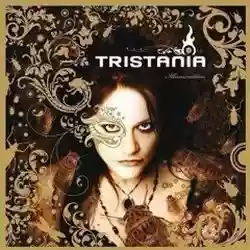
There seems to be a thread that binds the destiny of the most beautiful female voices in the metal scene. After ten years of activity, they either end their career or continue their musical journey following other paths. This decision recently (the news of the departure dates back to the end of February) ensnared even the divine and unparalleled Vibeke Stene, who was the main model for many singers, guiding gothic metal enthusiasts through fantastical and dreamlike places, suspended between antiquity ("Widow's Weeds") and the future ("World of Glass"). "Illumination", the recent release from Tristania, was her swan song, undoubtedly her best studio performance, but unfortunately also her last with the group. Due to her decision to focus on her studies and teaching career, the position she held with great dignity for two decades is now vacant. And it is a great pity that no one, except a few lucky ones, had the chance to hear these pieces sung by this raven-haired angel live, because her performances for this album went beyond the usual, and I am sure that no successor will be able to match the mastery demonstrated by this girl. A pain that can be filled only by a fan through the awareness of holding yet another great album in their hands, the epitaph of a shining and honest career. Regardless of feelings, what happened represents a surely hard blow for the Norwegian band, the latest since, after Morten Veland's departure, fortune seems to have turned its back on them, so much so that the latest releases, despite the high level of innovation they exuded, have not been well received by critics and fans.
As often happens when a band composes a masterpiece, everyone ends up, for better or worse, only remembering that single album, considering the rest of the discography inferior and sometimes even bad. This is what happened to Tristania: the only "fault" they committed over the years was indeed having composed the magnum opus of a genre, still unsurpassed and etched in common memory. But a serious listener must always be able to separate the past from the present and evaluate a band by following its natural temporal evolution. And nowadays, it is considered a great fortune just to be able to talk about a group in terms of development and innovation, given that 90% of musicians, especially those who tread the gothic metal scene, merely bore with clichés that are now outdated and leave a nauseating staleness in their wake. I do not believe that certain proposals hold any more appeal to listeners, except for teenagers who dive into the world of dark music to seem alternative. There is therefore a need for a watchword: innovation, and in front of this album, I can say I feel satisfied; the beginning of 2007 has already given us a great album. Certainly, "Widow's Weeds" is still immovable on its throne, but no one felt the need for yet another faded copy.
"Illumination", from the title itself, declares it lives by its own light, demonstrates a renewed compositional verve, an absolute synergy between vocal and musical components, now increasingly distant from metal canons, which, however, have not been betrayed. For the recording, leading names such as Waldemar Sorychta were involved, who worked behind the console and shaped the sound of numerous bands, and Vorph of Samael to cover the modest parts of growl singing present in the ten songs of the batch, as well as four classical musicians who breathed new life into the symphonic openings of some tracks. The band's past merges (perhaps thanks to the over ten years of experience of all the minds involved in the composition) with the modern reminiscences of illustrious colleagues (Moonspell, Type O Negative, Lacuna Coil, Tiamat), ties the lyrical registers of a true opera singer to an austere, baritone male voice, and flirts with trip-hop digressions and futuristic aspirations (Portishead is around the corner). As for the mood emitted by the songs, it's worth noting that the delicate yet exhausting sensation of slow decline that hovered in "Ashes" has disappeared, making way for a spectrum of emotions even more challenging and intangible. Some have defined this album as sunny, but the atmospheres they emit are not joyful at all; the scenarios are apocalyptic as in "World of Glass", but every emotion remains in balance, declaring the necessity for a personal exegesis. My interpretation shows it as a tragedy consumed slowly, in the heart and soul, velvetly touching us between tracks and offering glimpses of a November sun, emerging only at the end of the journey with the most ardent passion and a true feeling: that of the longed-for freedom from a painful past, abandoning a life of regrets.
Do not be scandalized if the opener "Mercyside" barely manages to surprise you; it's the least representative track of the new course taken by the Norwegian ensemble and is certainly a lure, a token for newcomers imposed by the record label, which, however, succeeds in engaging the listener. The subsequent tracks will explode in all their beauty. Your need for darkness will thus be satisfied by the seductive perdition of "Sanguine Sky", the decadent rage of "Open Ground" (a true cameo for Vibeke Stene's chilling voice, pinnacle of tension that the modern and sharp guitar sound manages to maintain constant for almost fifty minutes), the resigned melancholy of "The Ravens" (graced by Vorph's scathing screams in duet with mysterious female choirs), before your limbs find rest and comfort in the liquid and symphonic meanders, suspended between joyful memories and sadness, of "Destination Departure", yet another masterpiece of interpretation for the defecting singer. With "Down" you start to nod your head again; the rhythms are very modern and reminiscent of Lacuna Coil, but the refrain is increasingly lyrical, and it is the impeccability of Tristania’s offering that distinguishes them from the Italian band: there are no potholes, snags, or shortcomings of any kind. I also want to emphasize the extreme versatility of Østen Bergøy, aggressive like never before in this track, and the effectiveness of the distortions applied to the guitars. Vibeke's dark chant placed in closure then gives way to "Fate", a calm and nocturnal song completely entrusted to the flawless interpretation of the male singer. Thankfully, the soprano does not abandon us and overwhelms with force in "Lotus", a nocturnal and sleek song in the verses but aggressive and "rocking" in the refrain. The layering of guitars and keyboards in the interlude is very beautiful. "Sacrilege" could be a nod to "World of Glass", but is even more current in sound. The overlapping of strings and guitars is as alienating as in the presence of the best electronic acts. A particular mention should be made to the lyrics, a clear affront to the ecclesiastical hierarchy and its distorting and darkening teachings. Finally, here we are at the album's true masterpiece: "Deadlands", a mini suite made of strings, acoustic guitar, and a voice that moves without the slightest difficulty in the elegant uniqueness that distinguishes it in its extraordinary mastery.
Vibeke's swan song could not have been more epic and graceful, and we only hope that Anders, Einar, and company know how to get back on track with determination and do not seek a clone in the one who will have to take on the arduous task of replacing her. As far as I am concerned, I am very confident: despite the ever more numerous detractors, they prove year after year to be increasingly up to the name they bear, with innovative albums, difficult to access and always different. "Illumination" is the definitive consecration of Tristania in the pantheon of gothic metal.
Loading comments slowly
Summary by Bot
Tristania's 'Illumination' marks Vibeke Stene's final work with the band, showcasing her best studio performance and a renewed musical innovation blending gothic metal with symphonic and futuristic elements. Despite past challenges and lineup changes, the album is praised for its emotional depth, compelling vocal interplay, and modern sound. The review highlights the album as a significant evolution and a definitive addition to Tristania's respected legacy. It is seen as a worthy successor to their magnum opus without simply repeating past glories.Tracklist Lyrics Videos
Tristania
Tristania is a Norwegian gothic metal band formed in 1996, known for combining soprano and harsh male vocals, rich choral/violin arrangements, and doom/death undercurrents. Early works featured Vibeke Stene and Morten Veland; the band released acclaimed albums from Widow’s Weeds (1998) through Darkest White (2013).09 Reviews
Other reviews
By Ophitae
"It’s indeed her around whom, in my opinion, the whole album revolves: she has almost full control of every song."
"Illumination opens a ray of light amidst this genre in ruin, the last wheel of Metal where 'clone' bands or identical albums aren’t rare."
