
 •
Rating:
•
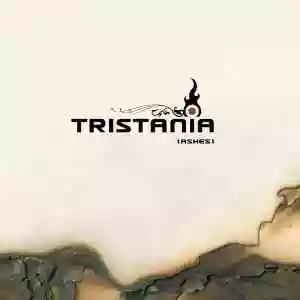
Rating: THE REVIEW
This is an album that essentially lives off two different souls, which often remain separate, but when they come into contact, they explode, creating the best moments of the entire ensemble. The more violent soul is entrusted to the screaming vocals and sharp guitars like never before, demonstrating that death elements have always been present in Tristania's sound, now more than ever. The second is majestically sweet, ethereal (sometimes almost rarefied and impalpable), a sign that melancholy does not arise from nothing (or just from the female voice – something many bands today seem to think) but must be sought deep within, and it is not always easy to perceive (all this is at the expense of the keyboards, but the choice is necessary to make the overall character of the album more complex). Herein lies the substantial difference with other albums: the sensations here must be sought, understood, and assimilated. "Ashes" is therefore the band's most difficult album, it doesn't strike immediately, but must be comprehended. And I would dare to claim that this is also their darkest work, being far from the romantic and twilight tones of previous works, but much more psychological and subconscious.
Many points for reflection (as had already happened for the previous work), therefore, which led many to judge this album roughly, without giving it the opportunity to truly say something, emphasizing the fact that it loses the challenge with "Window's Weeds". But one cannot judge a band based on a past time – which is completely over, and certainly not revived in a thousand clone bands – and on an absolute masterpiece such as that album.
Yet this is still the dear Gothic metal, so rare, precious, and refined that only Tristania knows how to play. And the strength of this band lies entirely here: in continuing to bring a genre to life, making it dignified in front of all the rubbish that circulates nowadays, which has rendered it the most trivial fringe of metal.
It is true, undeniable, that this "Ashes" does not reach the levels of "Window's Weeds" and "Beyond The Veil" and that it is even different from the much-maligned "World Of Glass"… but all these pearls are set in a single jewel: the music of this great band, which once again has sealed its singular greatness, proving that class is a rare commodity today. A special applause goes to Vibeke, who in this album shows us that you don't need to use very high registers to prove your skill; interpreting songs like "Cure" in a manner like hers is not for everyone. Sometimes even with a thin voice, you can give great emotions, and this confirms Vibeke as the best female voice in Gothic Metal (still considering the less metal turn of Anneke Van Giersbergen and her The Gathering and the pop path taken by Kari Rueslatten, impeccable and certainly a step above).
Names like theirs are destined to go down in history, and I believe their story may last a long time.
Loading comments slowly
Summary by Bot
Tristania's album Ashes features a powerful contrast between violent and ethereal elements, creating its most complex and darkest work. While it doesn't immediately captivate like earlier releases, deeper listening reveals its emotional and psychological depth. The album stands out in the Gothic metal genre for its complexity, refined execution, and Vibeke's uniquely emotional vocals. Ashes honors Tristania's legacy while pushing their sound into new, challenging territory.Tracklist Lyrics Videos
Tristania
Tristania is a Norwegian gothic metal band formed in 1996, known for combining soprano and harsh male vocals, rich choral/violin arrangements, and doom/death undercurrents. Early works featured Vibeke Stene and Morten Veland; the band released acclaimed albums from Widow’s Weeds (1998) through Darkest White (2013).09 Reviews
Other reviews
By sly
"Ashes no longer makes us dream with gothic and romantic atmospheres like in the early records, but unsettles us with its metropolitan and futuristic imagery."
"Definitely the worst piece ever written by Tristania."
