
 •
Rating:
•
Rating:
THE REVIEW
I find the rumor that Toto is a group of hired and obsequious studio musicians unbearable. The band's origins date back to their high school days, where drummer Jeff Porcaro, keyboardist David Paich, and original bassist Dave Hungate met and started playing together as teenagers. The myriad of collaborations on others' records is just a detail, the band has always sought and achieved its sound, its style, its evolution.
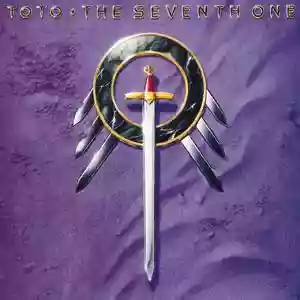
Of course, like others, they were heavily pressured by the record label to remain accessible and commercial, and thus (since the 1980s made it fashionable) polished and AOR. Now years out of the major scene, their sound is much closer to their live performances, always vigorous and rock-oriented. This 1988 album suffers significantly, on today's re-listen, from the glamorous and aesthetic era in which it was conceived: it doesn't matter, the songwriting in several instances is excellent, the then-singer Joseph Williams more than convincing (much improved from the previous effort on "Fahrenheit"), and more than ever it's easy to go beyond the commerciality of the tracks and savor, among the more complex and expansive ones (one of which is even close to progressive), the exquisite melodic and arrangement ideas.
"Pamela" is the first jewel, right at the opening: on the metronomic groove of the late Jeff Porcaro and his brother Mike on bass, David Paich's genius piano work stands out, cyclically ahead of the beats in the rhythm, creating an "rolling" effect, original and tasteful. After syncopations in the verses, Williams' voice rises high and full to describe a creatively and wide-ranging melodic chorus, while for the instrumental portion, there's a callback to the cliché of the previous and famous "Rosanna," with a festival of synthesizers crossing paths (handled by the third Porcaro brother, Steve, and Paich himself) and then launching Steve Lukather's piercing guitar. "You Got Me" is a busy funky rock track that flows brilliantly, a bit marred by a synthetic bass line, so overused and necessary back then, as much as it is completely "out" nowadays. It's always a pleasure to listen again, even today, to the subsequent "Anna," a splendid and enveloping ballad, well-composed and sung by Lukather, who for the occasion taps into his romantic vein. "Stop Loving You" follows as the misleading single chosen at the time, an episode in my opinion among the less appreciable of the record because it suffers from an overly predictable chorus, which unfortunately diminishes and trivializes the perfect funky-rock groove, to which all the instruments contribute, fitting together in a highly dynamic formula. The fifth track, "Mushanga," is a typical situation for Toto, with multiple possible levels of assimilation: at first glance, it might seem like any easy listening, while a careful and technically aware listen cannot help but surprise at the refined rhythmic intuition upon which it is based, especially the adamantine class with which Porcaro strikes drums and cymbals. "Stay Away" and "Only The Children" are guitar-driven rock tracks of medium/low inspiration. Between them is the sparkling funky pop of "Straight For The Heart," with which Toto pays tribute to both Hall & Oates (the brisk rhythm is exactly that of the noted "Maneater") and Earth Wind & Fire (the rapid and highly dynamic brass breaks, strictly synthesized given the era).
But it is with the concluding trio of songs that the album soars and deserves a place in any good music collection. It begins with "A Thousand Years": the "Jeff Porcaro Shuffle" (a shuffle rhythm on the snare, that was born and died with him, only Jeff could render it with unmatched naturalness, precision, and drive) reaches its highest expressive levels here, everything is of exquisite class, the melody, the arrangements, and Williams who seems born to sing these things, his performance is flawless! It continues with "These Chains," yet another sweet ballad composed and sung by Lukather. Anyone who has seen this musician in action on stage with Toto or handling his side projects makes sure not to judge him solely by his pop works (full of rare class, like this one). In those years, the record label pressed for his more romantic and round side, when, in reality, the man is a rock animal like few others, a concentrate of energy, virtuosity, and heart, an invaluable asset in the global guitar, rock, and good music scene, a wonderful example of the right attitude towards success, colleagues, admirers. A great one. The nearly seven minutes of "Home Of The Brave" conclude the album, a very progressive affair given the changes in rhythm and the various sections composing it. After a suggestive, introductory touch of synthesizer, David Paich's relaxed and warm voice takes charge of singing the verses, to then leave the field to Williams' powerful and heartfelt tone. The intricate and prolonged instrumental interlude includes breathtaking breaks and a wildly entertaining showcase for Lukather, who, instead of taking a solo, invents a violently repeated rhythmic figure of particular originality and effectiveness. Great and inspired ending for an excellent record, among the band's best.
Loading comments slowly
Summary by Bot
This review dispels myths about Toto as mere studio musicians, highlighting their deep roots and unique sound. Despite 1980s commercial polish, the album showcases excellent songwriting, memorable melodies, and strong musicianship. Highlights include the intricate rhythms of 'Pamela' and the progressive conclusion 'Home Of The Brave'. Joseph Williams and Steve Lukather deliver standout vocal performances, making 'The Seventh One' a must-have for rock and AOR fans.Tracklist Lyrics Videos
Toto
Toto is an American rock band formed in Los Angeles, known for polished pop-rock/AOR craftsmanship, high-level musicianship, and major hits such as “Africa” and “Rosanna.”21 Reviews
Other reviews
By Capolys
"Home of the Brave is a wonderful song and rightfully enters the band's top 10."
"Jeff Porcaro gives it all: Paradiddles, double Paradiddles, and more, transforming a secondary instrument into something indispensable."
