
 •
Rating:
•
Rating:
THE REVIEW
In 1996, Bob Dylan’s youngest son tries again. His band is disbanded, but he, being a true son of his father, doesn’t need to sweat much to form another one: just say “If you join the band, I'll introduce you to my father,” and it's done.
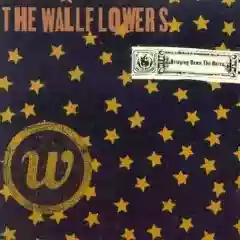
Beyond the ways he achieved it, Jakob Dylan returns with a band and records an album. This time it’s straight to major, straight to MTV. And it’s immediately “One Headlight”, the number one track from this 1996 “Bringing Down The Horse”. Just as quickly come the millions of dollars, the magazine cover closeups, the platinum records, and the MTV awards. The song is nice, but above all perfectly fitting in this progression, which seems like the root rock version of the base from “Lessons In Love” by Level 42. It is an anthem for a handsome guy with an original look, with a vocality that’s scarce and almost deliciously insufferable like his father’s, and for a young man as respectful of tradition (could it be any other way?) as he is realistic, aware that much of what made his dad a legend (a billionaire legend), in 1996 (and especially aujour d'hui) would earn, at best, just a couple of happy reviews on DeBaser (which, however, in itself is no small feat).
His music is poppy and radio-friendly, though at least not devoted to the cult of the Byrds(-R.E.M.) like many bands of the time: Jakob already had his own inspirational model in the family, and throughout the album, you can hear that organ playing as if it’s quietly whistling its own tune, much like it was in the famous “Like A Rolling Stone.”
You’ll find another couple of tracks in the vein of “One Headlight”, with “Bleeders” being the more rock variant. Then, a trio of valid and catchy little rock songs that structurally (not in sound and arrangement) have little root; a handful of candies, a couple saved at the line thanks to the skillful use of the slide-guitar. Among this handful of candies, “Three Marlenas”, with its little riff à la “Sweet Jane”, is the most successful and the sweetest.
Then you’ll hear a ballad, the second-best single from the album in terms of chart placement, titled “6th Avenue Heartache”, where Jakob’s limited voice gets help from half the band under the pretense of backing vocals and harmonies. It brings to mind the best episodes of Bob's career and the many shades of yellow of the fallen autumn leaves.
A light, light album, polite and well-mannered, just like this handsome young man of the nineties would seem to be. Without pretensions of making you scream a miracle, just entertaining you with ease. And grabbing four platinum records, of course.
Loading comments slowly
Summary by Bot
Jakob Dylan, son of Bob Dylan, found success with The Wallflowers' 1996 album Bringing Down The Horse. The album features polished, radio-friendly rock with hits like "One Headlight" and "6th Avenue Heartache." While not groundbreaking, the album is well-crafted, melodic, and earned multiple platinum records. Jakob's voice, influenced but distinct from his father's, shines throughout the album. It offers an entertaining and polished 90s rock experience.Tracklist Lyrics Videos
The Wallflowers
The Wallflowers are an American rock band formed in Los Angeles in 1989 by singer-guitarist Jakob Dylan. They broke through with Bringing Down the Horse (1996), spawning the hit "One Headlight" and earning two Grammy Awards. Subsequent albums include (Breach) (2000), Red Letter Days (2002), Rebel, Sweetheart (2005), Glad All Over (2012), and Exit Wounds (2021).05 Reviews
