
 •
Rating:
•
Rating:
THE REVIEW
The story is about four boys who form a band in 1990 and present their innovations at a birthday party in the small town of Wigan.
The face that stands out is that of the enigmatic leader Richard Ashcroft, a sort of Mick Jagger on acid who wouldn't crack a smile even under torture. The unpredictability and charisma of the latter are inextricably linked to the guitar of the right-hand man, Nick McCabe.
After a satisfying and famous demo simply titled Verve, the offers from record companies interested in the shoegazing phenomenon make A Storm In Heaven possible - a cornerstone of the genre.
But what do these Verve play?
These Verve do not "play," or at least they do not limit the use of their instruments to weaving defined melodies. The notes of McCabe represent the dream, sometimes the nightmare. They represent a sonic and seemingly abstract web that accompanies the thoughts of Rich.
Love, drugs, and impetuous desire envelop the Verve creature. The image that might be evoked by listening to their beginnings is that of a devastated guy almost falling asleep on the urinal.
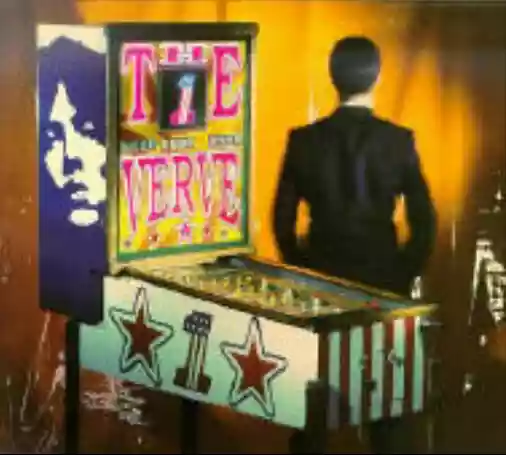
No Come Down represents the sum of their early career. First release with the article "The" placed before the name.
Changes. It is indeed during the year 1994 that problems arise with stage collapses, arrests, and fights.
The trips of No Come Down, Where The Geese Go, Twilight, and Six O'Clock are b-sides of the previous studio album and are well accompanied by acoustic guitars, distant laments, and harmonica, adding an intimate touch to the project. Calm even reaches Butterfly, a fierce hint of a sweat-drenched night in the studio version, and calmly less electric here. The mix of Blue (U.S.A.) slightly differs from the original due to higher-pitched vocalizations and more pronounced sounds. As well as the beautiful blues of Make It Till Monday.
Words are as useless as it comes to certain atmospheres; to fully enjoy them, all you need are headphones and synapses (if worn out, even better).
Loading comments slowly
Summary by Bot
This review explores The Verve's compilation album No Come Down, highlighting its raw and intimate B-sides that showcase the band's experimental and atmospheric sound. The review emphasizes Richard Ashcroft's enigmatic leadership and Nick McCabe's evocative guitar work. It captures the band's blend of shoegazing influences with acoustic and bluesy elements, portraying a deeply emotional and immersive listening experience. Overall, it praises the album as a compelling snapshot of The Verve's early innovative phase.Tracklist Lyrics Videos
The Verve
The Verve were an English rock band formed around 1990 in Wigan, associated with a shoegaze/psychedelic early sound and later Britpop success. Fronted by Richard Ashcroft, with Nick McCabe’s guitar widely cited as central to their signature atmosphere, they peaked commercially with Urban Hymns before splitting in 1999 and later reuniting for Forth.17 Reviews
