
 •
Rating:
•
Rating:
THE REVIEW
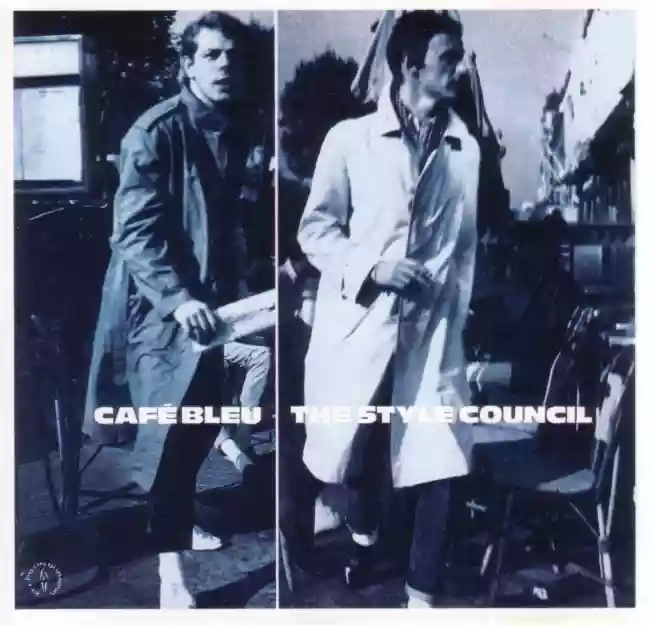
"Brief compendium in 13 lessons of predominantly black-origin musical genres, curated and played by strictly white British musicians". That's the label I would put on this record, a colorful Russian salad of sounds, with the mayonnaise being the two Style Council members (Paul Weller and Mick Talbot) and their collaborators, who together form a true jazz orchestra. It's understandable why jazz became the preferred refuge for those who had gone through the destructive punk experience: there is no better genre to rebuild credibility as musicians, after trying to piece together incoherent and distorted sounds, generally resulting in a great mess.
This explains the sudden rediscovery of the noblest black music at the beginning of the '80s by various groups and ensembles, especially English ones. Often technically impeccable, they usually produced a couple of good quality records, even if perhaps a bit academic, and by the third, they regularly collapsed due to lack of ideas. The Style Council, among the best representatives of this wave, did not escape this strict rule, and indeed after "Café Bleu" and the almost twin "Our Favourite Shop", they almost disappeared. "Café Bleu" can be divided into two parts, corresponding to the two sides of the vinyl: a division similar to the "night side" and "day side" of the almost contemporary "Night And Day" by Joe Jackson (see Socrates' review). This was due to the original initial project, which planned for a double album, a project wisely abandoned because it was too dispersive.
The first part is the more nocturnal and intimate one, more properly jazz, and for me, also the most successful, even though the big hit "You're The Best Thing" is in the second. From the pianistic whirlwind that opens the album ("Mick's Blessings") to the serene instrumental jazz that is only unsettling in its title ("Dropping Bombs On The Whitehouse"), the atmosphere is delightfully retro, in some ways comparable to some albums by our own Paolo Conte. Standing out for its melody is the intense and anguished "My Ever Changing Moods", for piano and voice, but the rest is more or less jazz, particularly in the form of languid ballads like "Café Bleu", with its splendid textbook guitar solos, or like "The Paris Match", with the personal voice, almost somewhat annoyed, of Tracey Thorn, borrowed from Everything but the Girl, also exponents of the jazz renaissance of the era.
In the second part, Paul Weller shifts his attention to the other side of black music, the more rhythmic one, starting with "A Gospel", which could easily be called "A Rap" and insists with the obsessive soul-funk "Strength Of Your Nature" (whose refrain is repeated about 70 times). The refined Latin percussion and the perfectly fitting theme of "You’re The Best Thing" aptly break the tension, bringing it back to more human levels. And it stays at these levels: the subsequent tracks are brilliant but not frenetic, until "Council Meetin'" with the Hammond organ presenting a simple theme with some elegant variations. Probably no one listening to this record will be struck or shout miracle: it's a kind of jazz surrogate, very pleasant and made to be listened to without too much expectations, with the typical hedonistic attitude that they say was typical of the '80s.
Loading comments slowly
Summary by Bot
The Style Council's Café Bleu is a refined mix of jazz, soul, and funk interpreted by skilled British musicians exploring black-origin genres. The album divides into a nocturnal, intimate jazz side and a more rhythmic, soul-funk side. Highlights include "My Ever Changing Moods" and "You're The Best Thing." While not revolutionary, it's a pleasant, hedonistic 80s classic combining technical skill and melodic richness.Tracklist Lyrics Videos
The Style Council
The Style Council were a British group formed in 1983 by Paul Weller and Mick Talbot. Active through 1989, they blended soul, jazz, pop and political commentary, scoring major UK hits and notable international success.04 Reviews
