
 •
Rating:
•
Rating:
THE REVIEW
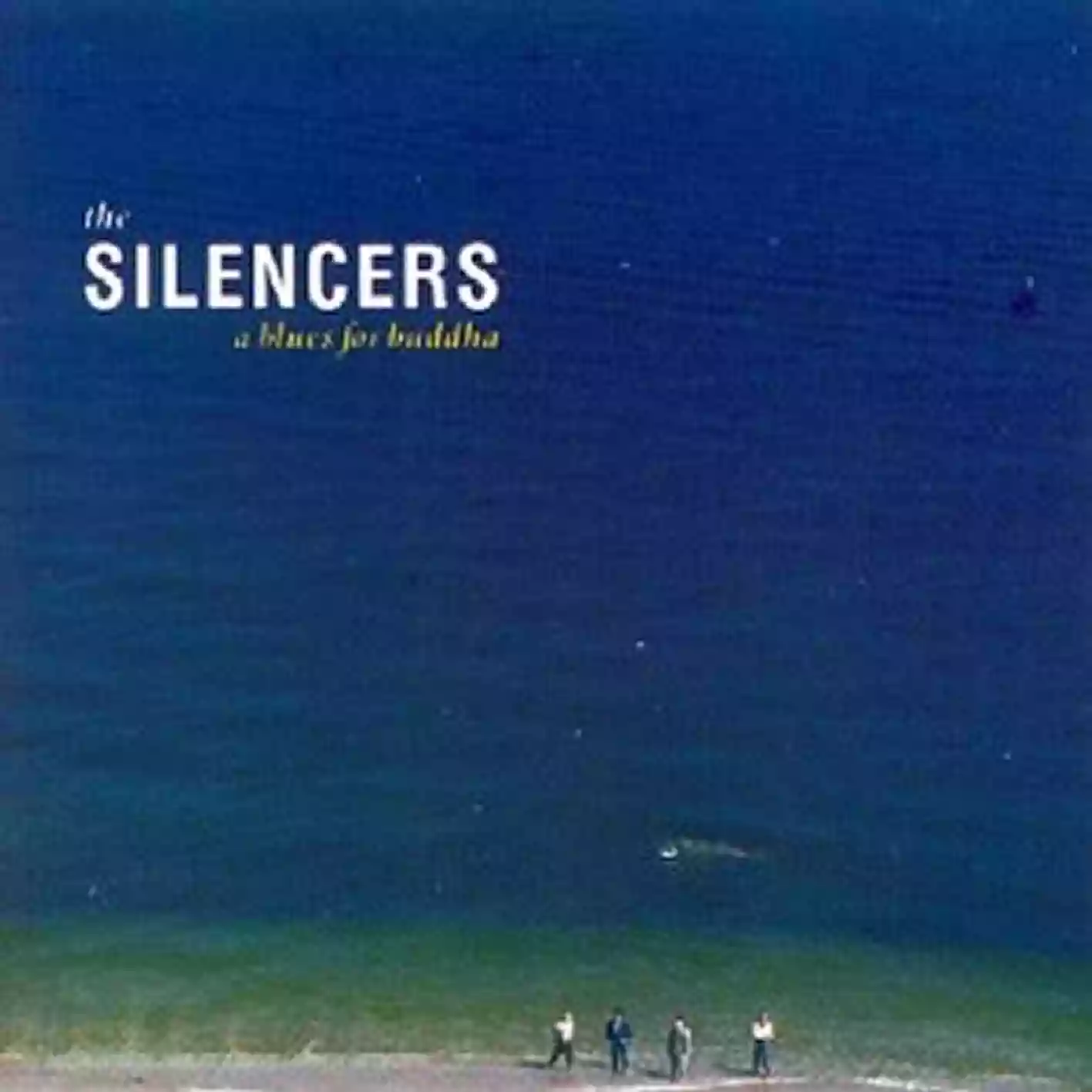
From the very first listen, you understand that the Silencers are something epic and delicate at the same time: no Scottish clans, no wars to declare, and no peace to reclaim; they mix the allure of their cold homeland and Celtic musical tradition (both old and new) with a taste and touch you would instantly recognize only in the Smiths. Somewhat late wavers, the Silencers, we can say, since their second album is dated 1989. Their voice, perhaps not very authoritative, especially because it's not bright, in a landscape rich with epic and para-epic bands marching and kicking, and on a perpetual world tour.
The atmospheres of many tracks on this "A Blues For Buddha" are akin, as was the case with their debut, to those of Jim Kerr and his Simple Minds, but the tones and spirits are more subdued, the atmospheres more serene, the speeds lower and the rhythms less pulsating. Even the instrumentation is more traditional and little to not at all synthetic.
But Jimme O'Neill and Cha Burns also feel themselves to be skilled bluesmen, and they fully demonstrate this in their work. An uneasy, nocturnal, cold-sweat "All Night Long-blues". The problem is that they have voices and sounds so delicate, so inadvertently velvety, that you would never have imagined them tackling the blues, unless it was the acoustic and skeletal one of the title track. They are interesting when, in "Sacred Child", thanks to O'Neill's harmonica, the two transform into hootchie cootchie new wavers.
Beyond musical choices, these refined artists presented a music album with solid roots in tradition, but without (false?) postures à la Geldof. Epic tracks without diva attitudes and paninarismi. Melodies without effeminate complacencies. And romanticism, towards God (or Buddha) and towards all things in life. It shows more in the attitude of the boys rather than their songs, although there is pure and dreamy new wave in "Razor Blades Of Love". If it had been up to those like the Silencers in the '80s, romance would have been a serious, authentic thing, not to be speculated on (too much). No Spandau records and Harmony books. But poetry and new wave.
New wave for Buddha. And for you too.
Loading comments slowly
Summary by Bot
The Silencers' album 'A Blues For Buddha' delivers a unique blend of Celtic music and new wave with a delicate, atmospheric tone. The band showcases an authentic and romantic approach, balancing traditional instrumentation with subtle blues influences. Their style contrasts with more commercial or dramatic 1980s bands, offering a serene and poetic listening experience. The album highlights their skillful musicianship without resorting to over-the-top posturing.Tracklist Lyrics Videos
The Silencers
The Silencers are a Scottish band formed in Glasgow in 1986 by Jimme O’Neill and Cha Burns (both formerly of Fingerprintz). They are known for blending Celtic rock and new wave, debuting with A Letter From St. Paul (1987) and scoring attention with Painted Moon. Later highlights include Dance to the Holy Man (1991), with continued activity into the 2000s.06 Reviews
