
 •
Rating:
•
Rating:
THE REVIEW
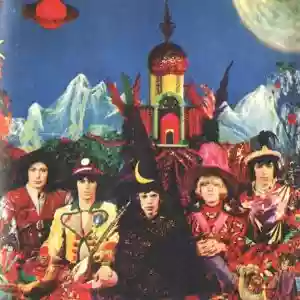
An apparently out-of-tune piano and the not entirely dissipated intoxication of a hangover from an improbable brass group serve as the opening to what I personally define as the highest quality work of the Rolling Stones. The festive chorus, also materialized with the active collaboration or friendly incursion of close relatives from Liverpool, paves the way for excellently crafted tracks, despite the looming, hard-to-avoid shadow of the slew of albums proliferating in the most fruitful year in rock history.
Metallic voices, well-saturated and decidedly sulfurous, conclude the merry cycle of vocal fusions, leading to a bubbling triumph of sounds with a potentially psychotropic flavor. The call of the devil probably had a troubled birth and certainly not a few attacks from the fruitful censorial inquisition, but the dirty sound that indelibly characterizes the orchestral qualities of the "bad boys" gives the work just the right factor needed to ascend to Olympus without climbing treacherous rocks.
The baroque start with the acidic and metallically muffled voice of "Another Land" wisely breaks with the slightly off-key impromptu invasion of the classic muddy Stones riff. This is repeated multiple times, concluding with an unexpected and very heavy snore followed by the resumption of the aforementioned festive chorus, this time infused with violent brushstrokes of psychedelic grime.
Were it not for the evident uncertainties, unfortunately easy to catch in Watts' percussion commentary, "She's a Rainbow" would be an authentic masterpiece, but judging the overall beauty of the track, I prefer to overlook the venial sin of good Charlie and stamp it with the most precious of seals. The clean, almost fairy-tale sound of Nick Hopkins' piano gracefully accompanies one of the most beautiful compositions by the Stones like a veil of silk. The dirty sound that appears from the very first vocal assaults of Jagger and company is easier to clean compared to those that dominate their vast repertoire. This gives a sense of devastating sweetness, relaxing, perhaps disturbed by the fortuitously placed radio announcement at the beginning, but ingeniously subtle, fresh. The final clattering of the strings concludes this work in a way that would leave a sense of uncertainty to those who give a more detailed listen, but this is strictly subjective and in my opinion, extraordinary.
It simply deserved more. That's all.
Loading comments slowly
Summary by Bot
This review celebrates 'Their Satanic Majesties Request' as the Rolling Stones' highest quality work, highlighting its psychedelic sound, crafted tracks, and iconic moments like 'She’s a Rainbow.' Despite minor imperfections, the album’s unique orchestration and vocal performances make it a standout in the rock genre. The review emphasizes the album’s musical creativity and enduring charm, suggesting it deserved greater recognition.Tracklist Lyrics Videos
The Rolling Stones
English rock band formed in London in 1962. Key long-term members include Mick Jagger and Keith Richards. Known for blues-influenced rock, enduring live performances and a prolific discography.81 Reviews
Other reviews
By Lewis Tollani
Sing This All Together (See What Happen) is their manifesto of lysergic avant-garde.
The Stones mix acid-induced mental trips with an experience outside our galaxy.
By Valeriorivoli
It’s their anomalous masterpiece, they won’t sound like this again.
Years go by: the guitars end up on the shelf, myths crumble, but the beautiful songs remain.
By marcom63
This album is emblematic of a period when all of Rock was evolving from a phenomenon of pure entertainment to a phenomenon with artistic aspirations.
Brian Jones manages to make his most significant personal contribution here, but it will be the last time.
