
 •
Rating:
•
Rating:
THE REVIEW
After Aftermath, which had confirmed the songwriting talents of our band, the Stones lose themselves in psychedelic territories that are a bit tight for them. It will take a masterpiece like Beggars Banquet to bring them back on the right track.
But the subsequent Let it Bleed is an even more important album because it marks a period of changes for the band. Especially tragic ones, like the death of Brian Jones and the Altamont murder.
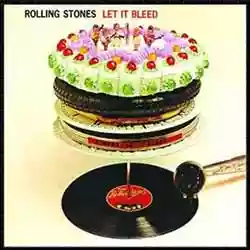
Never has a cover been so emblematic, a cake that should symbolize a party is literally devastated. But musically speaking, while Beggars Banquet seems to resurrect the spirit of Robert Johnson and his unsettling ghosts, this album presents the dawn of the typical Stones sound that will carry them to the present day.
If Exile On Main Street is the creative peak, Let It Bleed lays the groundwork for that indestructible pillar that never seems to fade. Especially because from this album, Keef (Keith Richards) starts to get serious. From a country version of Honky Tonk Woman (as a testament to his affection for Gram Parsons), to the ghost of Johnson that reappears here too (Love In Vain).
But in Monkey Man, the sound is harsher and tighter than ever before, and in Live With Me, Bobby Keys appears on the saxophone, another Stone who will sign other commendable textures in the subsequent works.
If you really want a starting point for the Stones that you are used to hearing, you have no choice but to start here, taking care not to overlook the rest.
Loading comments slowly
Summary by Bot
The review highlights Let It Bleed as a crucial album marking The Rolling Stones' transition to their signature sound. It contextualizes the period with tragic events like Brian Jones' death and Altamont. The album bridges the psychedelic experiments of Aftermath and the creative peak of Exile On Main Street. Key tracks showcase influences from Robert Johnson and Gram Parsons, solidifying its importance for Stones fans.Tracklist Lyrics Videos
The Rolling Stones
English rock band formed in London in 1962. Key long-term members include Mick Jagger and Keith Richards. Known for blues-influenced rock, enduring live performances and a prolific discography.81 Reviews
Other reviews
By Viva Lì
"Let It Bleed pierces your heart and shreds your brain."
"The four frenzied Brits shatter, in one fell swoop, the certainties and fantasies of mid 20th century."
By carlo cimmino
I had never stopped loving her from the first moment I had caught her gaze.
At least that damn record still sounded like it used to.
By Davide1990
"Gimmie Shelter is one of the greatest Rock tracks of the '60s, absolutely epic and full of vitality."
The album marked an era for the Stones and for Rock, possibly their most successful alongside Exile on Main Street.
