
 •
Rating:
•
Rating:
THE REVIEW
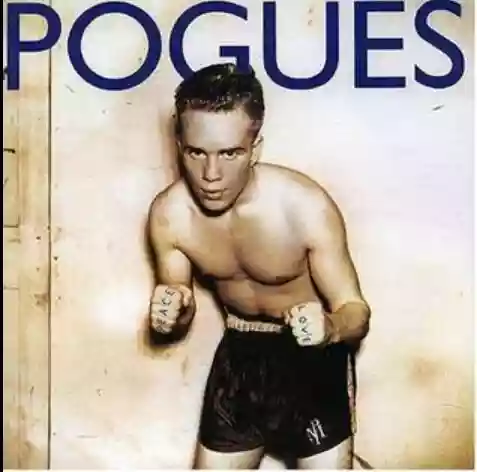
The gradual shift of the Pogues away from their Irish folk sound towards a different song form is, for better or worse, attributed to Peace And Love from 1989.
Gridlock, for example, is a frenetic jazz piece that opens the dances, but some tracks from this album risk - in my opinion - being the real compositional gems that shine the most in the band's universe.
These undoubtedly include Lorelei (written and performed by the late Phil Chevron) and Tombstone (written and performed by Jim Finer). The former, featuring Kirsty McColl on backing vocals, is an imposing ballad with the protagonist languishing in search of the vanished Lorelei. Finer's offering (who, second only to master MacGowan, has always been the most prolific member in terms of composition) outlines the depth of the night amidst evocative landscapes covered in sadness and desolation
the trees are bare like skeletons
while repeating to himself that he will see his land again at dawn.
Shane, for his part, appears calmly in Down All The Days and includes a rather unsober dedication to producer Steve Lillywhite in Cotton Fields. The additional tracks in the remastered version see the United States attacked in a (naturally) politically incorrect manner in Everyman Is A King and feature a cover of the Honky Tonk Women by the Stones.
The well-known circumstances, especially related to the mental and physical health and the increasing decline of the leader, pushed the other members to do their best to ensure the work had as much originality as possible.
The heterogeneity of Peace And Love did not prevent the onset of a descending phase in the relationships within the band.
Loading comments slowly
Summary by Bot
Peace and Love marks a significant stylistic departure for The Pogues, blending Irish folk with jazz and evocative ballads. Standout tracks like 'Lorelei' and 'Tombstone' highlight the band's compositional depth. Despite internal band struggles and Shane MacGowan's decline, the album showcases originality and emotional resonance. Remastered tracks also reveal political commentary and notable covers. Overall, the album reflects both creative ambition and emerging tensions.Tracklist Lyrics Videos
The Pogues
The Pogues are an Anglo-Irish Celtic punk band formed in London, known for fusing traditional Irish music with punk energy. Led by Shane MacGowan, they released acclaimed albums such as Rum Sodomy and The Lash and If I Should Fall From Grace With God, and scored a perennial classic with Fairytale of New York. The band originally ran through the mid‑1990s and reunited in the 2000s.08 Reviews
