
 •
Rating:
•
Rating:
THE REVIEW
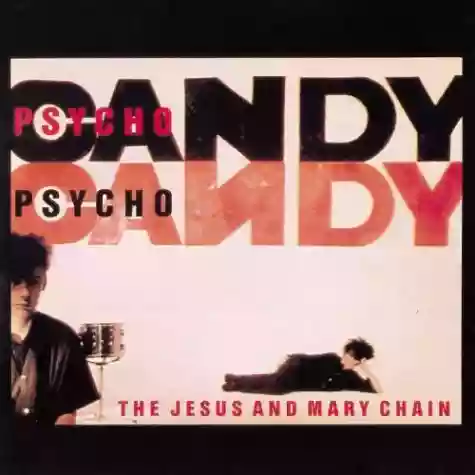
"Psychocandy" by the Jesus and Mary Chain marked a turning point in the '80s rock scene. It was an album that effectively generated a movement, a new way of understanding music through a different way of conveying content, which also changed.
"Psychocandy" was released in 1984 by the band of the Reid brothers, bassist Douglas, and drummer Bobbie Gillespie, who would later become a member of Primal Scream.
Before "Psychocandy" and the Jesus and Mary Chain, there was the wild punk of the Sex Pistols, the less noisy (but no less incisive) one of The Clash, the intellectual pop-rock, sad, sarcastic of The Smiths, the melodic punk-rock of The Jam by Paul Weller, which perhaps shares something with some works by The Police.
Joy Division with "Unknown Pleasures" and "Closer" introduced a new type of disturbing rock, psychedelic, dark, Baudelairean, at times characterized by chilling silences and at times noisy with primordial sounds.
The Jesus and Mary Chain pick up on all this: punk attitude, flippant and indifferent; a certain propensity towards catchy, almost '60s melodies; surreal, ethereal atmospheres.
"Psychocandy" is characterized by distorted guitars to the extreme, deafening feedback, heavy reverb, the use (in almost all tracks) of Phil Spector's Wall of Sound; in short, the combination of a dirty, aggressive accompaniment, where the sound of the electric guitar is very different from what one would expect, and sweet and beautiful melodies.
The album begins with "Just Like Honey", a two-chord song of incredible beauty. The melody is simple and sweet, the lyrics sad and reflective, the accompaniment becomes increasingly full as the song progresses. It's a catchy song, very far from the atmosphere of other tracks on the album.
The second track is "Living End". The lyrics talk about a motorcycle ride, and the music is absolutely appropriate: it almost feels like riding along with Reid. The drums, as is the album's trademark, are monotonous but very present, as are the bass lines. It's a heavy and almost annoying song - but also very beautiful - because of the feedback and distortion.
"Taste the Floor", the third track, has something of the Sex Pistols and especially Iggy Pop and the Stooges, due to its sharp but still quite bright distortion, unlike the rather dull one in other tracks. A somewhat monotonous and repetitive track.
"Hardest Walk" is a track that, arranged differently, could almost be by The Beatles. Catchy, brisk, with its focal point in the bass line, an instrument very present in this song.
"Cut Dead" is almost a ballad, a slow and beautiful song, with rather interesting lyrics. A much emptier track than others (like "Taste the Floor" or "Living End"), saturated and deafening.
With "In A Hole" the feedback, distortion, and heavy atmosphere return. The guitar strumming is indistinguishable from each other.
Some Candy Talking, like "Cut Dead", is a sweet, calm song, with something, however, of the Velvet Underground, if not for the distorted riffs. It has dark lyrics and a sound quite reminiscent of the '60s.
In "Never Understand" the drums are very present and repetitive, and the shoegazer atmosphere is always present but not as cacophonous as in other tracks. A fast song with some similarities to Living End.
The bass line of "Sowing Seeds" is very similar to that of "Just Like Honey". An interesting song, with some beautiful variations, clean riffs, an atmosphere that is at times psychedelic, at times punk.
This album is generally one of my favorites. After "Psychocandy," the Shoegazer phenomenon will emerge, which will take up feedback, reverb, distortions and give life to bands like Boo Radleys and Swervedriver.
Loading comments slowly
Summary by Bot
Psychocandy by The Jesus and Mary Chain is a landmark album that transformed 1980s rock by blending extreme distortion and feedback with sweet melodic lines. Drawing from punk, '60s melodies, and psychedelic atmospheres, the album set the stage for the shoegaze movement. Key tracks like 'Just Like Honey' and 'Living End' highlight the unique contrasts in sound and mood. The review praises its innovation and lasting influence on alternative rock.
The Jesus and Mary Chain
The Jesus and Mary Chain are a Scottish alternative rock band formed in East Kilbride, best known for combining pop melodies with heavy guitar feedback, and for their influential debut album Psychocandy.13 Reviews
Other reviews
By giov
"I can’t find another adjective for this record other than one already used: warm."
"Too bad I discovered them so late."
By R3765214
Simple melodies and a voice that comes from afar, almost ethereal, it seems, but extremely intense, all literally covered by a cascade of feedback and distortion.
Psychocandy is an album that owes much both to the famous punk fury, the more depressed kind, and to certain typically dark cadences, while passing through the melancholic pop of the Smiths.
