
 •
Rating:
•
Rating:
THE REVIEW
Following the bitter separation from the Byrds in 1968, the year of the release of the historic "Sweetheart of The Rodeo," considered one of the first milestones of country rock, Gram Parsons and Chris Hillman founded the Flying Burrito Brothers together with the great pedal steel expert "Sneaky" Pete Kleinow and bassist Chris Ethridge. The perfect musical collaboration between the seasoned former bass player of the Byrds and future partner of Stephen Stills in Manassas, and the visionary talent of Parsons, produced a perfect example of country rock that would, in the years to come, inspire hundreds of imitation attempts.
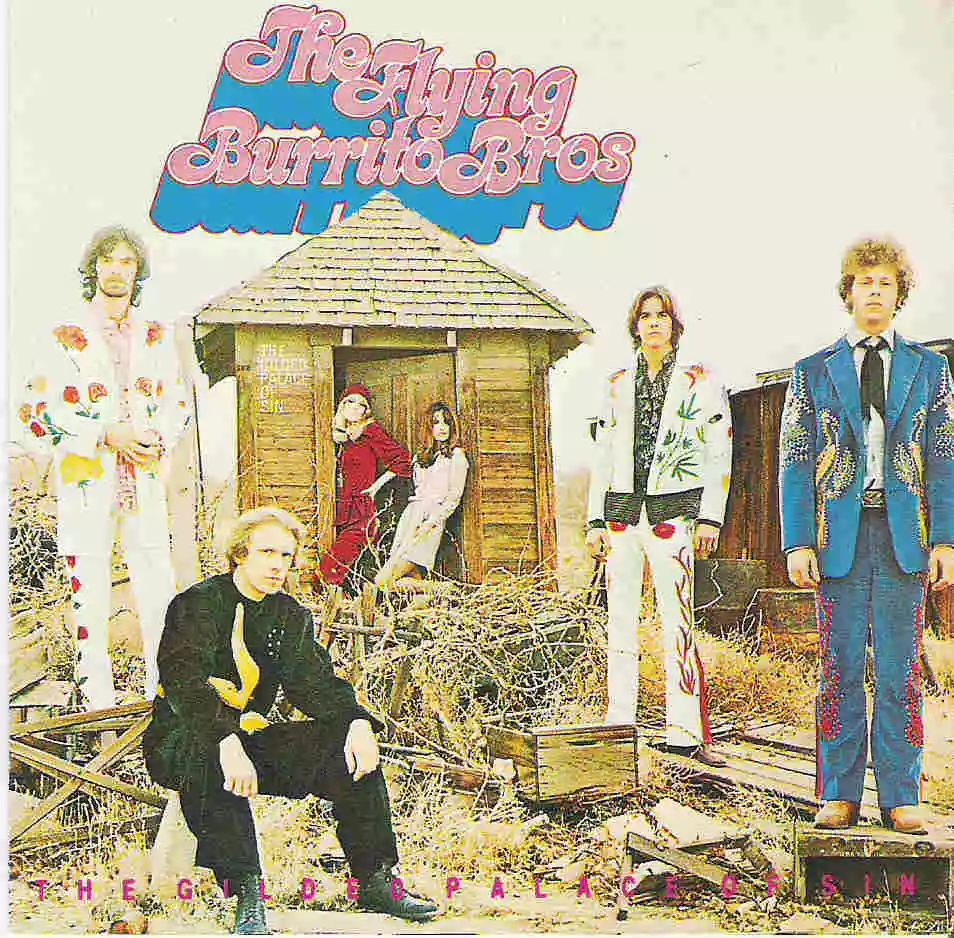
While in the Byrds, at a certain point in the band’s career, Roger McGuinn went trendy by talking about "Raga Rock," Gram Parsons became, by the end of the Sixties, the pioneer and spokesperson of "Cosmic American Music," which, in the artist's intentions, was meant to be a perfect combination of country, soul, and rock. The music on this album did not need the cover image, on which the band wore flashy outfits adorned with drawings of cannabis plants, to get noticed.
The opening "Christine's Tune," the sweet "Sin City," the story of "Juanita," the polemical "My Uncle," and the classic "Wheels" are considered country rock classics alongside the two "Hot Burrito" tracks. Immortal songs that showcase Gram Parsons' great ability to create inspired and unforgettable melodies. Alongside these gems are the splendid versions of "Dark End Of The Street" and "Do Right Woman," two soul classics by Dan Penn. Parsons' personal, melancholic, and sweet voice always stood out in describing the joys and sorrows of love, while Hillman, for his part, provided solid vocal harmonies. Clearly, with such a charismatic figure as Gram Parsons, the band's chances for long-term sustainability were minimal.
After this album, the Flying Burrito Brothers underwent various personnel changes, and the subsequent "Burrito Deluxe," despite its good rock drive, represented a partial disappointment despite the presence of a notable cover of the Rolling Stones' "Wild Horses." "The Gilded Palace of Sin" remains a cornerstone in American music tied to its roots, primarily thanks to Gram Parsons' significant stylistic innovations, which were entirely unusual compared to Nashville stereotypes. He managed to bridge the vast chasm that existed between rock and country enthusiasts by the end of the Sixties. For this reason, too, we will never stop thanking him.
Loading comments slowly
Summary by Bot
The Gilded Palace of Sin, the Flying Burrito Brothers' 1969 debut, is a groundbreaking country rock album led by Gram Parsons' visionary style. Combining country, soul, and rock influences, it features timeless classics like "Christine's Tune," "Sin City," and "Hot Burrito" tracks. The album helped bridge gaps between genres and remains a cornerstone of American music, despite later personnel changes and less impactful follow-ups.Tracklist Lyrics Videos
The Flying Burrito Brothers
The Flying Burrito Brothers are an American country rock band formed in 1968 by Gram Parsons and Chris Hillman after their stint in The Byrds. Their debut, The Gilded Palace of Sin, became a cornerstone of country rock and Parsons’ self-styled Cosmic American Music, with the group influencing generations of Americana and roots artists.04 Reviews
