
 •
Rating:
•
Rating:
THE REVIEW
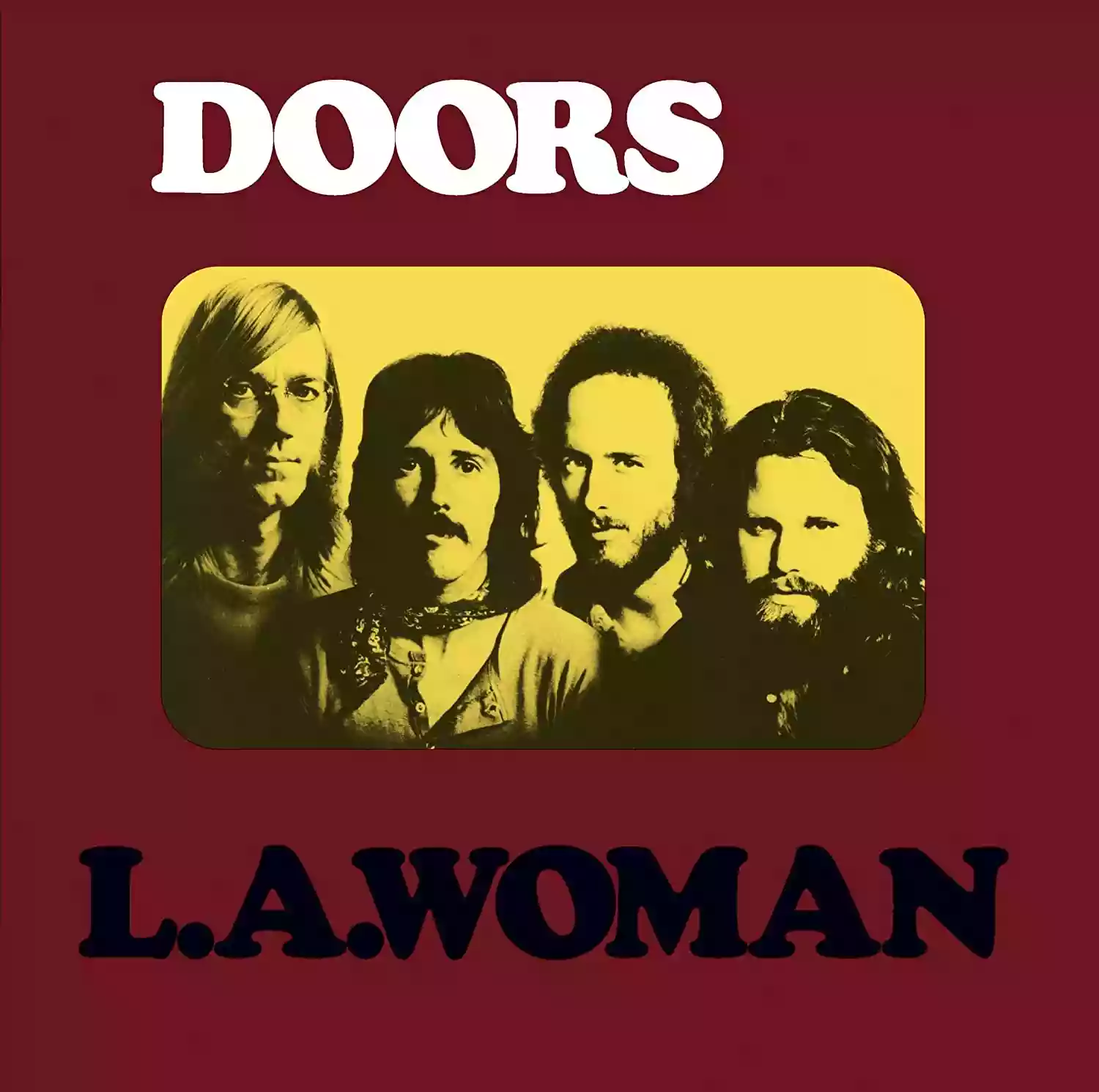
1970, times have changed, the era of psychedelia is over, and hard rock, progressive, and a hint of metal have arrived with the debut album of the group led by Ozzy Osbourne, titled with the eponymous album Black Sabbath. The 70s had just started, and differences from '69 were already evident. Meanwhile, the curse of the 27 Club continued to claim its victims, solidifying the complete break with the previous decade. But within this distinct backdrop, the Doors recorded what for many would become in the years to come their third anticipated masterpiece. Why anticipated? Many may wonder, it's useless to beat around the bush, but despite the fact that the Doors are my favorite band and are certainly among the most influential bands of their time, it is also true that the Doors struggled to recover from the flop of "The Soft Parade" and the subsequent Miami concert, due in part to the incidents involving their leader. The group seemed like one of many that would not make it to the next decade, but unexpectedly, the recordings for the project "L.A. Woman" began. It already differed significantly from their previous albums, starting with the departure of Rothchild, the great producer of all their albums. This departure is still much debated today regarding the real reason, whether it was due to classic creative differences or if there was something more serious behind it; unfortunately, we may never know. Steering the ship then was Rothchild's right-hand man, Bruce Botnick, who, in light of the various issues of previous sessions, decided to give the band full creative control—the much-desired creative control they had been seeking since '68. Another significant difference is the choice of the album's genre; unlike their previous works, this album is nothing more than a classic Chicago blues, the kind performed by John Lee Hooker, to be precise. It's no coincidence that the album is also considered an "on the road" album, recorded in various recording houses across America in this case, and the music also has that certain "on the road" vibe or, as many call it, gas station music. However, if 90 percent of the album consists of Chicago blues, it also has a trace of psychedelia, especially in songs like "L'America" or the slow, dark, jazz-tinged ballad "Riders On The Storm." Speaking of this latter track, it is considered by many as the band's artistic testament and by myself as their true masterpiece, a song that draws upon Native American dances with some of the most distinctive and intriguing lyrics written by Morrison, reminiscent of "The End" from the band's first album. Indeed, speaking of the latter, "Riders On The Storm" is nothing short of a worthy continuation of "The End" with the same themes and characters, like the highway killer, being mentioned. Regarding the rest of the album, standout tracks include the title track, practically the most "highway" song imaginable, or "Been Down So Long," an old-school, angry, almost wild blues with a guitar riff by Krieger that’s among his best, not to mention a very particular cover of John Lee Hooker's "Crawling King Snake," which you can discover for yourselves, and then the single that climbed the charts a few weeks before the album release, "Love Her Madly," possibly the most commercial and least successful song of them all. In conclusion, the album was obviously an unexpected masterpiece for its time, in a period when the idols of the '60s were beginning to fade away; today, it remains an immortal masterpiece, even if only for the last track.
Loading comments slowly
Summary by Bot
The Doors' L.A. Woman marked a major comeback after a difficult period for the band, showcasing a shift to Chicago blues with a raw, on-the-road vibe. Produced under Bruce Botnick's direction with full creative control, the album blends blues with traces of psychedelia. Standout tracks like 'Riders On The Storm' and 'L.A. Woman' cement the album as a timeless classic and Morrison's artistic testament.Tracklist Lyrics Videos
The Doors
American rock band formed in Los Angeles in 1965. Core members: Jim Morrison (vocals), Ray Manzarek (keyboards), Robby Krieger (guitar), John Densmore (drums). Known for a distinctive organ-led sound, theatrical live shows and landmark albums (The Doors, Strange Days, L.A. Woman).64 Reviews
Other reviews
By the clash
Jim, the master of those doors, says, near his death, that he is a “changeling,” one who transforms often, with many faces.
His real stories, witnesses of a life always on the edge, of an uncomprehended poetic spirit and interpreter of a human condition longing for life, transgression but also sad and contradictory, riding the storm… riding the storm…
By AR (Anonima Recensori)
"Morrison’s voice is sharper and heavier than a cleaver, in short, a composition made by a drunken madman and a not-so-better-off Louis Armstrong."
"'Riders On The Storm' begins: electric piano, precise drumming from a true jazz master drummer, and that guitar that seems to enter quietly without wanting to disturb, the prophetic voice of Jim Morrison, all in a magical, hallucinatory, and dreamy atmosphere."
By alfo
Jim Morrison, an intellectual with a deep hypnotic voice, amidst the wave of optimism and enthusiasm, already sensed the advent of the downfall, total, definitive, and unavoidable of modern civilization.
L.A. Woman carries away the painful perversions of the ’70s, taking them to the cemetery of civilization, leading them with its steady and repetitive rhythms to its ossuary.
By nikko89
The last breath of the shaman of pain, the last tremor...
Riders on the storm... a timeless piece carved in the stone of memory as if graffiti of blood.
By groucho84
The Doors could not have crafted a better epilogue for their extraordinary career.
‘Riders on the Storm’ is an absolute milestone in the history not only of this group, but of all rock.
