
 •
Rating:
•
Rating:
THE REVIEW
Of all the rock tales, the so-called post-punk one is perhaps the most intriguing: a generation of musicians weaned by David Bowie and Lou Reed and violently deflowered by Johnny Rotten... it was bound to produce a host of cursed, damned artists, absolute unreachable geniuses in the history of rock. I mean Joy Division and The Cure, fundamentally. These two groups managed to create a sound that could be a direct bridge between their soul and the listeners: the notes deriving from those thumping basses, no longer rhythmic but elevated to dark and deep guitars, from those acidic '70s guitars and those obsessive and metronomic drums, were the musical translation of the demons dwelling in their spirits.
The Cure, like perhaps no other group in history, succeeded in creating, in just over two years, three unparalleled masterpieces, encapsulating everything "wrong" and controversial that existed in rock. "Seventeen Seconds" is a chest full of ghosts and secrets in which the band's punk spirit plays with its dark side, while in "Faith" the game breaks down afflicted by the death of Ian Curtis, and Smith seeks salvation in spirituality and death.
In the early eighties, Robert Smith is a man adrift, with no supports and no certainties, sinking ever deeper into the despair and world he created as a game, now swallowing him like quicksand. The tensions with the audience, unprepared to embrace such intense atmospheres, are increasingly heavy, Smith's emotion can no longer bear his own songs, and he is nearing a nervous breakdown. The internal tensions of the band are also increasingly palpable... an atmosphere from which an absolute masterpiece, one of the greatest of all time, could only emerge.
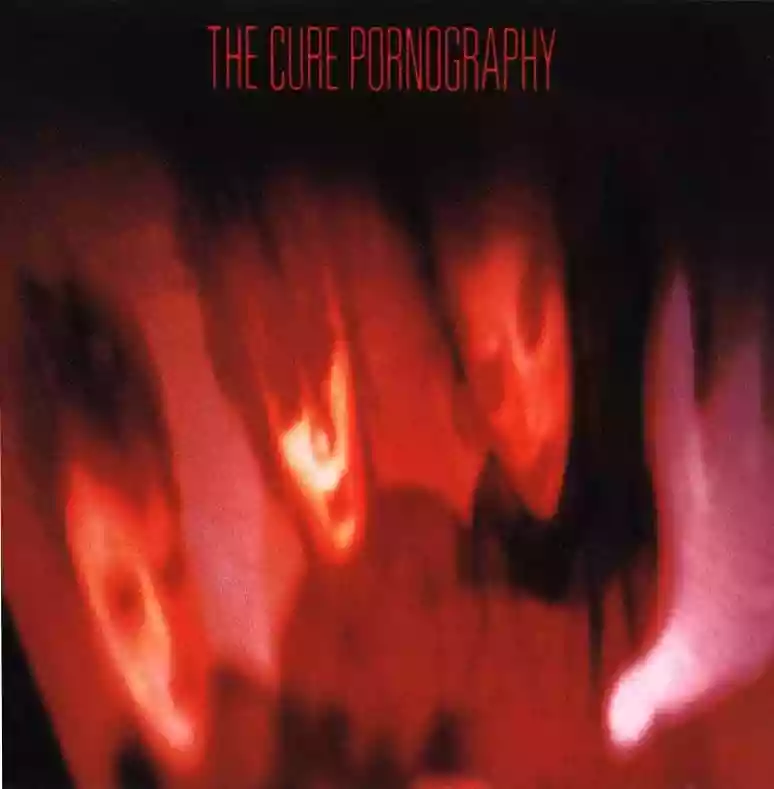
"Pornography" was written in a short time; the ideas were already clear and the urgency to transform them into art did the rest. The Cure knew very well they were recording their greatest masterpiece; it was felt in the air, it was clear. A process heavily marked by cocaine and alcohol consumed in industrial quantities, but the drugs did not perform a function for its own sake or for creativity; they merely contributed to amplify the human degradation of the band, now at breaking point... "One Hundred Years", "A Short Term Effect", "The Hanging Garden", "Siamese Twins", "The Figurehead", "A Strange Day", "Cold", "Pornography"... eight granite pillars; they cannot be commented on with simple words because the right nouns and adjectives to do so have not yet been invented.
Loading comments slowly
Summary by Bot
The review highlights The Cure's 'Pornography' as an unparalleled post-punk masterpiece, created amidst personal and band turmoil. It explores Robert Smith's deep despair, the dark, intense sound, and the album's status as one of rock history's greatest works. The album's raw emotion and musical innovation cement its legendary place.Tracklist Lyrics Videos
The Cure
The Cure are an English rock band formed in Crawley and led by singer-songwriter Robert Smith. Since the late 1970s they have moved between post-punk, gothic atmospheres and pop-oriented experiments, producing widely admired albums such as Disintegration and Pornography.89 Reviews
Other reviews
By TenshiSell
"This monument of dark music contains the anxieties and frustrations of a generation that isn’t mine, but they cannot fail to belong to me."
"It starts by saying 'It doesn’t matter if we all die.' It ends with hope. 'I must fight this sickness, find a cure.'"
By vanamente
Robert Smith’s sad and lonely existentialism has probably hit rock bottom in his personal journey through drugs and visions.
Pornography is the Cure’s masterpiece album, but for those unfamiliar with them, it’s perhaps better to start from much further back.
By Rocky Marciano
Pornography is anguish, fear, and discomfort; the assault of "One Hundred Years" is a metropolitan nightmare.
The apocalypse of the title track continues with a Smith increasingly down but still not wanting to lose the battle.
By Daedal
The masterpiece of the first dark generation.
"Pornography" ends after a gloomy 43-minute journey into the alienating landscape that is Robert Smith’s mind.
By Il Tarantiniano
"For me, this is their dark album par excellence along with 'Faith' and 'Seventeen Seconds.'"
"The instruments suffer the most, the singer emits sudden cries of hatred as if he was crying."
