
 •
Rating:
•
Rating: THE REVIEW
The Cult is a creation formed in the early eighties from the meeting between American singer Ian Astbury and English guitarist Billy Duffy, who already had a notable musical background, having played in the legendary dark band Theatre of Pain. Initially named Southern Death Cult, later changed to Death Cult, and finally to The Cult, the band played a prominent role in the American hard rock scene of the eighties, especially with the best-selling albums “Love”, “Electric”, and “Sonic Temple”, becoming one of the reference groups for the birth of American hard street rock beloved by bands like Guns n' Roses and so on.
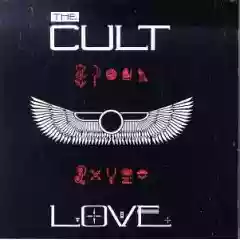
However, before arriving at a more conventional hard rock sound, The Cult, following the dark and gothic movement that was rampant in the early eighties, produced their first two albums, “Dreamtime” and the already mentioned “Love”, in which the classic rock heavily influenced by Led Zeppelin (Astbury and company were often reproached for the very Zeppelin-like sound of their songs) and AC/DC was accompanied by a light but decisive vein of gothic rock, so much so that even today many critics place the band’s first two efforts in the gothic rock cauldron of the period.
“Love” represents the highest point of their discography and was also the best-selling album, driven by the famous hit “Rain”. However, it would be a big mistake to absorb the entire album in its most famous song because the album contains truly intense moments, divided as it is between the charge of rock rides represented by songs like the aforementioned “Rain”, the opener “Nirvana”, the title track, “The Phoenix”, “Hollow Man” where the more rocking aspect strongly influenced by Zeppelin and AC/DC prevails; the gothic hues of songs like “Big Neon Glitter”, “Little Face” and the disturbing “She Sells Sanctuary”; the melancholic charm of the ballad “Revolution”, the rock blues of “Judith”.
Particular attention deserves “Brother Wolf, Sister Moon”, where, as can be inferred from the title, melodies and sounds echo that bring us back to the culture of Native Americans (a theme very dear to Astbury and that will accompany him throughout his career), and which represents, in my opinion, the highest point of the entire album for intensity and for the emotions it knows how to instill in the listener.
In conclusion, I can confidently say that although The Cult were not inventors of anything and, as mentioned many times, they drew heavily from the repertoire of Led Zeppelin and AC/DC, we are faced with a great band that made grit and dedication its strength (thanks especially to the charisma of the founders Astbury and Duffy) and that had the merit of always playing warm and visceral rock inspiring many street rock bands born in the late eighties.
Loading comments slowly
Summary by Bot
The Cult's album Love represents a high point blending gothic rock with classic hard rock influences from Led Zeppelin and AC/DC. Driven by hits like 'Rain' and 'She Sells Sanctuary,' the album balances energetic rockers with atmospheric and melancholic moments. The review highlights the band’s dedication and lasting influence on American hard street rock. Notably, 'Brother Wolf, Sister Moon' stands out for its Native American-inspired emotional intensity.Tracklist Lyrics Videos
The Cult
The Cult are an English rock band formed in Bradford in 1983, associated with both gothic rock/post-punk and later hard rock, and best known for their mid-1980s to late-1980s albums and singles.13 Reviews
Other reviews
By Breus
Ian Astbury, adorned somewhere between a Native American, a shaman, and a refined gunslinger, was the voice of the grandiloquent 'Love'.
'Rain' remains the absolute perfect encapsulation of Cult-style and has echoed throughout all the band’s subsequent albums.
