
 •
Rating:
•
Rating: THE REVIEW
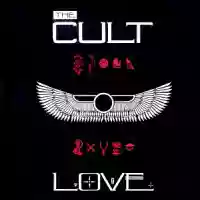
Never quite popular enough to be celebrated by a wider audience and remaining (a name, a destiny) practically a cult band, Ian Astbury's Cult found a happy inspiration in "Love," making them an ideal bridge between the '80s and '90s; borrowing a dark-tinged lyrical and iconographic approach and transforming it into something akin to the rock that would soon take over with the shouts of Guns'n'Roses and then with grunge. All this, quite evidently, masterfully reworking those few essential bases of more aggressive rock-blues that had seen their champions in Led Zeppelin during an era that punk seemed to have buried.
Ahead of their time, then, the Anglo-American Cult had learned from the post-punk environment by reviving pure rock with immediate riffs and "air guitars", nodding to esoteric themes in a western key (soon imitated by the exceptional Fields of the Nephilim and The Mission) and rehabilitating the dynamic presence of a charismatic frontman, which often the '80s denied or downsized, preferring a shadowy and granite-like homogeneity (see Andrew Eldritch).
Ian Astbury, adorned somewhere between a Native American, a shaman, and a refined gunslinger, was the voice of the grandiloquent "Love": an album of rare balance where the same rhythmic and melodic theme seems to unfold in various chapters with a linear and succinct narrative (the lyrics always have very few lines) and alternates with flashes of pounding rock-style filled with smoke and pointed boots and shadows of heart-wrenching ballads. Never quite original enough to shout miracle, but so incisive and well-structured that they tempt anyone to shake head and hands.
No gratuitous virtuosity, though Billy Duffy's guitars never shied away from well-saturated distortion and typically Zeppelin excursions. Calibrated bass and drums, some well-placed orchestral textures, and nice vocal counterpoints to Astbury's mysterious and masculine voice. A voice that sings of wolves and deserts, liberating rains, shadow-men, and sex priestesses, mystical visions, and mythical phoenixes.
In short, a mix of pure rock sprinkled with dreamlike suggestions, which only when listened to can convey why it managed to break through during a time when certain clichés made people turn up their noses. So much so that purists of the gothic and dark sound tended to criticize certain concessions to the solo; while metalheads lamented the excessive melodic regularity. And yet... and yet no one dismissed "Love" and its engaging atmospheres. Beginning with the memorable hit-single "Rain," which remains the absolute perfect encapsulation of Cult-style and has echoed throughout all the band's subsequent albums. And continuing with the syncopated "Big Neon Glitter," the pounding four-four of "Hollow Man," the yearning mysticism of "Brother Wolf Sister Moon," and the exaggerated wah of "Phoenix."
Unable to repeat themselves (except in the detrimental sense of the word) and vexed by insistently retro productions, the Cult then abandoned their dreamlike vein and allowed "Love" to become their brightest iconic record: paradoxically, a product of the '80s with its roots in the '70s and its head already in the '90s.
Loading comments slowly
Summary by Bot
The Cult's 'Love' album serves as a pivotal bridge between 1980s rock and the coming grunge era, blending dark lyrical themes with aggressive rock-blues riffs. Ian Astbury's charismatic vocal style and Billy Duffy's guitar work create a balanced, engaging record. Though not universally acclaimed by purists, 'Love' remains an iconic and influential work with memorable tracks like 'Rain' and 'Phoenix.' It stands out as one of the band's finest achievements.Tracklist Lyrics Videos
The Cult
The Cult are an English rock band formed in Bradford in 1983, associated with both gothic rock/post-punk and later hard rock, and best known for their mid-1980s to late-1980s albums and singles.13 Reviews
Other reviews
By Fidia
"Love represents the highest point of their discography and was also the best-selling album, driven by the famous hit 'Rain.'"
"Brother Wolf, Sister Moon represents, in my opinion, the highest point of the entire album for intensity and for the emotions it knows how to instill in the listener."
