
 •
Versione 1
Rating:
•
Versione 1
Rating:
THE REVIEW
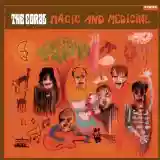
The title is more than explanatory: "Magic and Medicine". The talented twenty-somethings from around Liverpool (famous for more than just the football team...) know what they want: to coexist inspiration and rationality; innovate without making instrumental and not very credible revolutions; to write new songs with an old flavor, without being too influenced by current trends.
The second chapter of the Coral continues, expanding on the discourse set forth with their rightly acclaimed debut. In the eleven tracks that make up the album, the doctors/shamans mix into their golden cauldron all the genres that have contributed to their admirable formation.
Listening to "Magic & Medicine" is a bit like retracing paths you think you know by heart, only to suddenly find yourself in new places (there's the magic...) that our young apprentice wizards have fun letting us discover.
The overall result, let's say it right away, is surprising. The work does not sound at all like "old time music", as some might think. Despite, in essence, all the clear references are identifiable, the record is fresh, inspired, engaging.
It starts with "In the Forest", a track that clearly indicates the direction, with a Hammond organ leading the slowed-down dances. With "Don't Think You're The First" we're in a Morriconian west that is colored with psychedelic hues; if today Stan Ridgway and his Wall of Voodoo were in their twenties, they might have written songs similar to this one.
"Leizah" sounds wonderfully country, but it's not an idyll: clouds and lightning loom on the horizon.
"Talkin' Gypsy Market Blues" is a Dylan-esque piece to the bone, an electric blues in "Highway 61 Revisited" style, "bad" just enough, but which, like many of The Coral's pieces, possesses unsuspected branches. In "Secret Kiss" the 60s organ reappears to "season" a song with French influences (Jacques Brel?). "Milkwood Blues" is the most spiced, the richest in those characteristic deviations of the band; even jazz and vaudeville make cameo appearances in a track that, in any case, could be defined as neopsychedelic.
"Bill McCai" is a wild country-western ride, with Roger McGuinn and his Byrds leading the colorful caravan, which decides to stop at the Creedence ranch. "Eskimo Lament" starts like an intense King Crimson ballad, but new scenarios soon open up and it ends with the accompaniment of trombones, borrowed from the passengers of the "Yellow Submarine".
"Pass it on" is a Neil Young-like track of disarming simplicity, but it possesses warmth and intensity to spare.
In "All of our Love" the atmospheres become more rarefied and disturbing: Skelly's voice whispers; a piano, harmonica, acoustic guitar, and a menacing bass weave a lysergic melody.
In "Confessions of A.D.D.D." the best Californian pop of the golden years and the less self-indulgent progressive meet, not without first inviting the fathers of the blues; a Can-like ending makes it all the more appetizing.
What more can I say? I realize that there are too many names, too many references, but the magic of the young men from Liverpool is in making you forget them, having a sound of their own nonetheless.
The medicine of the Coral may not be miraculous, but it certainly represents an excellent restorative for pop music.
P.S. The album in question was the best of 2003 for me.
Loading comments slowly
Summary by Bot
The Coral's Magic & Medicine is a stunning follow-up to their debut, fusing diverse genres into a fresh and inspired sound. The album skillfully blends psychedelic rock, country, and progressive pop while avoiding mere imitation. Each track offers unique and surprising elements, making the album a memorable and engaging listen. Praised as a rejuvenating force in pop music, it was considered the best album of 2003 by the reviewer.Tracklist Lyrics Videos
The Coral
The Coral are an English indie rock band from Hoylake, Merseyside, known for '60s-leaning psychedelic/beat pop filtered through eclectic influences.13 Reviews
Other reviews
By giov
"In The Forest" is undoubtedly one of the best tracks the band has written so far, offering truly dark atmospheres.
If they continue at this pace, soon it’ll be Coldplay opening their concerts and not vice versa.
By gluca1985
Magic and medicine, sacred and profane, a universe teetering between a past never entirely forgotten and a sometimes foggy future.
'Eskimo Lament' is a ballad, punctuated by a few piano notes, that suddenly turns into a post-binge saloon march.
