
 •
Rating:
•
Rating:
THE REVIEW
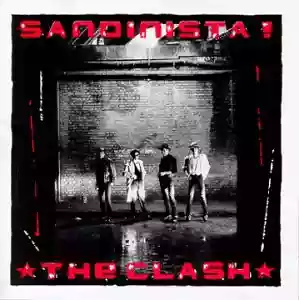
If London Calling represented the Clash's discovery of rock'n'roll and its roots, which had been denied by punk until a couple of years prior, with the 36 songs of "Sandinista!" Joe Strummer and Mick Jones' group became aware of their role as champions of the most committed and cosmopolitan rock.
In just four years, the Clash transitioned from the role of champions of raw, street punk to a refined rock band with a 360-degree musical vision that only the Beatles had before. The shock is already evident from the first notes: the Rap of The Magnificent Seven creates a deep divide between the old and new Clash, with Paul Simonon's funky bass and Topper Headon's beatbox supporting a powerful groove where the guitars are literally in the background (what a great Mick Jones...) and the raspy Joe Strummer absolutely in his element on this fantastic Rap. The track stirred endless controversy among the die-hard early fans who declared the musical death of the Clash precisely in light of this piece.
But this was only the beginning, as even in the following Hitsville U.k., the surprises were just starting: a great melody by Mick Jones supporting the splendid voice of Ellen Foley (his girlfriend at the time) counterpointed by the beautiful keyboards of Mickey Gallagher on the rock-solid rhythmic bed of Paul and Topper, for the first time crucial in the realization of the tracks.
And then there's the reggae, perhaps the genre in which the Clash excelled the most, whether it was their original piece (One More Time, with dub tail...), or when it involved reviving an obscure Jamaican standard (Junco Partner, also revisited with Mickey Dread).
A touch of rockabilly couldn't be missing on The Leader or post-Sgt Pepper's visions on Something About England.
And Punk, the ancient creed? Buried under refined arrangements in Somebody Got Murdered, with guitars almost whispered...
Then there's soul, funky, R'n'B, in practice all the musical knowledge of the time seen through the Clash's very attentive eye.
Of course, all this good stuff without neglecting the commitment of the lyrics (The Call Up, Washington Bullets) for noble causes that always placed the group on a level far superior to their contemporary bands.
To confirm the consistency of Strummer and his associates, also the group's long battle to release "Sandinista!" at the price of a single album. The English critics initially received this masterpiece lukewarmly, accusing the Clash of using politics to sell records, only to later change their minds years later, elevating this complex album to its rightful rank among the most ambitious and successful works of rock music, a true testament of an unrepeatable band with a consistency and ethics that shielded them from any contestation. The fact that they never reformed, despite the billion-dollar sirens, only confirms their legend, the legend of the Westway Wonders...
Loading comments slowly
Summary by Bot
Sandinista! marks a pivotal moment for The Clash, showcasing their transformation from raw punk to a cosmopolitan rock ensemble. This ambitious 36-track album explores rap, reggae, rockabilly, and soul, reflecting a 360-degree musical vision. The lyrics remain politically charged, emphasizing the band's commitment to social causes. Initially met with mixed reviews, Sandinista! is now celebrated as a complex and successful rock masterpiece. The Clash's refusal to reform cements their legendary status.Tracklist Lyrics Videos
The Clash
English punk rock band formed in London in 1976. Core lineup included Joe Strummer, Mick Jones, Paul Simonon and Topper Headon. Influential for blending punk with reggae, rockabilly, funk and early rap; disbanded mid-1980s.35 Reviews
Other reviews
By bjork68
I was listening to an incredibly multifaceted work, with a thousand facets, an overwhelming big bang of genius and creativity.
With Sandinista! this eclectic and surprising group bequeaths us a timeless masterpiece that still disconcerts and fascinates.
By ChaosA.D.
"Sandinista! certainly does not go unnoticed!"
It shows that you can break the bars of that prison known as labels or musical genres and create something new and absolutely honest.
By iuppiter2
The Clash is the band that best represents the entire punk movement.
"Sandinista" is an exceptional work, a milestone, and a masterpiece of music, unfortunately very often overlooked.
By hoamazzatokenny
This is music without gossip or scoops around. Only the lyrics and voice of Strummer, Jones’ musical inventions, Simonon’s love for the sounds of the third world, and Topper’s technique.
Sandinista! is an album that must be listened to. Even if just to shut up those who tell you, 'I listen to a bit of everything...' and then that everything is just what’s served to them by the radio at work.
