
 •
Rating:
•
Rating:
THE REVIEW
The band was formed in Los Angeles in 1964, from the meeting between guitarist-singer James “Jim” McGuinn III (who would later change his name to Roger after embracing the Indonesian religion Subud), Gene Clark (Harold Eugene Clark), and David Van Cortlandt Crosby… all of whom had already been active for some time in the folk music scene (with McGuinn also working as a songwriter for successful singer Bobby Darin). They were soon joined by drummer Michael Clarke and bassist (multi-instrumentalist) Chris Hillman, and with the acronym "The Beefeaters," they secured a deal with Elektra Records to produce the single “Please Let Me Love You b/w Don’t Be Long”, which towards the end of the 1980s was also included in the compilation “In The Beginning” (Elektra - 1988), which resurrects the “lost” sessions at Pacif Studios in Los Angeles from that era.
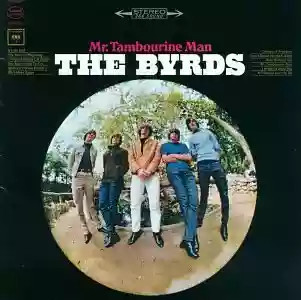
Towards the end of 1964, the group signed with Columbia Records and soon renamed themselves “The Byrds,” entering the recording studios to produce the cover of Bob Dylan’s “Mr. Tambourine Man”. The single was released on April 12, 1965, immediately reaching number one on both the American and British sales charts, making the Byrds, along with their compatriots and contemporaries, the Beau Brummels, the first worthy response to the recent “British Invasion” experienced by the (media) Americans. The immediate success allowed them to embark on a long-distance project, and in June of the same year, they released their debut album “Mr. Tambourine Man” (perhaps a bit unimaginative to use the single/cover’s name to leverage its success), which featured 5 original tracks (mostly born from Clark’s imagination) and 7 covers, two of which, in addition to the title track, were penned by Dylan.
The group’s style was already firmly in the hands (and 12-string Rickenbacker) of McGuinn, where the folk of their beginnings was mixed and sweetened with new melodies coming from England, to the extent that McGuinn himself described his early music as an attempt to blend Lennon and Dylan into one. The result is a stunning swing of sounds and sensations, a harmonious and dreamlike embrace, where even the covers become original and extremely beautiful pieces, to the point that even Dylan’s “Chimes Of Freedom” finds with the Byrds the perfect magic carpet to lay down its countercultural liberation messages, allowing it to penetrate the social fabric and break through the wall of ostracism erected by conservative and upright American media. The entire work is permeated by that veil of magic that only the Byrds could render so sweetly and melancholically, thanks to a splendid vocal interplay and finely crafted harmonic constructions on the best of fabrics, creating that original “jingle-jangle” style that would return at regular intervals in American indie music (Pavement, R.E.M., and Hüsker Dü, hopefully that’s enough). Thanks (also) to them, folk(rock) would rise to the rank of a worthy and recognized musical genre, and rock as a whole would receive a significant contribution to its maturation, transitioning from a hit-singles factory to a modern literary and musical art form, where each individual track is an important piece (chapter) conceived and inserted within an album.
Finally, I reserve a final mention for the splendid cover “We’ll Meet Again” by Vera Lynn, a post-war hope song, used in its original version by Stanley Kubrick for the closing credits of his “Dr. Strangelove,” and highlighted by the Byrds for its black humor side.
Loading comments slowly
Summary by Bot
The review highlights The Byrds' formation and rise, emphasizing their innovative blend of folk and rock. Their debut album, featuring iconic Bob Dylan covers and original songs, established the folk rock genre. The band's signature 'jingle-jangle' sound and harmonious vocals are praised for influencing modern indie music and elevating rock to a respected art form. The review also notes the creative choice of covering Vera Lynn's 'We'll Meet Again' with a darkly humorous twist.
The Byrds
The Byrds were an American band formed in Los Angeles in 1964, widely credited with shaping folk rock via Roger McGuinn’s 12-string Rickenbacker sound and electric interpretations of Bob Dylan. Their catalog is frequently discussed as moving from early folk-rock hits into psychedelia and later country-rock, notably on “Sweetheart of the Rodeo” with Gram Parsons.15 Reviews
Other reviews
By GASGUIC.
The summit, the pinnacle of it all, was obviously the very famous (and beautiful) Mr. Tambourine Man, coincidentally a cover of Dylan, which as a single swept away all rivals.
It remains an album that, if only for historical significance, is an absolute must-have.
